
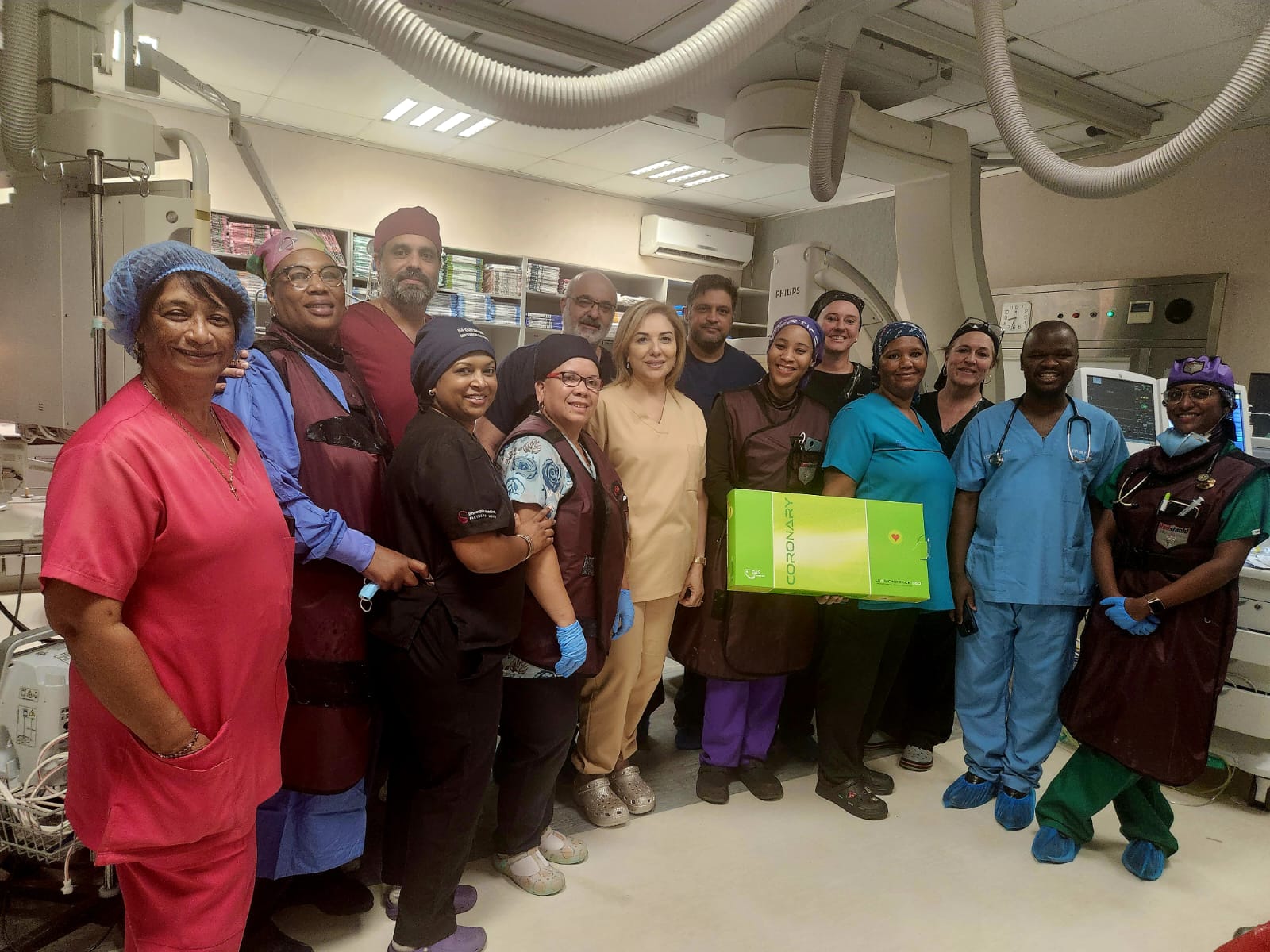
Lenmed Ahmed Kathrada Private Hospital pioneering medical team performs first coronary orbital atherectomy procedure in Gauteng
February 2, 2024
How to Prepare for a Healthy Pregnancy: A Comprehensive Guide
February 12, 2024

How Do We Lower Our Cancer Risk?
Cancer, also known as The Big C, seems like such a dreaded disease that we don’t even like to think about it. Fortunately, though, the more we understand about cancer, the less frightening it is, and the more we can do to help our bodies either stop the disease or fight it.
Here’s how you can help your family.
Table of Contents
- Cancer by the numbers
- What is cancer?
- What causes cancer?
- What can I do to protect myself and my family?
- To conclude
- Additional resources
Cancer by the numbers
Cancer can affect both men and women, and the statistics show that men are slightly more at risk, with 1 in 6 South African men being likely to develop cancer in their lifetimes, versus 1 in 7 South African women. For women, the most common cancers in descending order are breast, cervical, colorectal, uterine and lung cancer, while for men they are prostate, colorectal, lung, Non-Hodgkin’s Lymphoma and bladder cancer.
Globally, cancer kills more people than malaria, AIDS and TB combined, with the most commonly diagnosed cancers being lung (13% of total diagnoses), breast (11.9%) and colorectal (9.7%). The most common cancer-related deaths in the world are from lung cancer (19.4% of total cancer deaths), liver cancer (9.1%) and stomach malignancies (8.8%).
It was estimated that in 2020, worldwide there were 16 million new cases of cancer and some 10 million deaths, with 1.5 million deaths being from lung cancer alone.
Such statistics are alarming, but it is also true that not all cancers kill. More than 50% of people diagnosed with cancer live for more than 5 years, while some cancers have survival rates of up to 90%. A positive mindset is also an important factor in prolonging life.
What is cancer?
Cancer is actually the umbrella name for a group of over 100 diseases that range from tumours to cancers that affect the blood (like leukaemia), and there are over 200 different types of cancer. The disease is caused by the uncontrolled growth of abnormal cells, which happens in multiple phases. In a nutshell, the body is constantly replenishing itself by renewing cells. Sometimes this growth and replenishment begins to go awry, causing cells that then become harmful to the body, usually because they grow too quickly and form a tumour, or because the cells do not function as they are normally supposed to.
The development of abnormal cells that divide uncontrollably and can infiltrate and destroy normal body tissue is what makes cancer the second-leading cause of death in the world, after cardiovascular diseases.
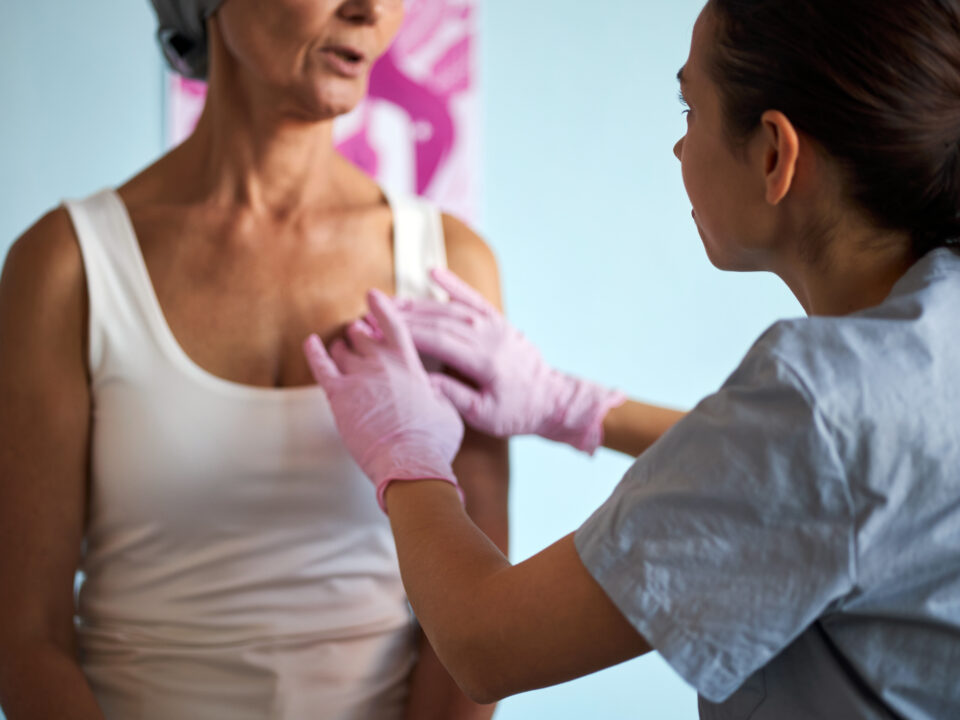
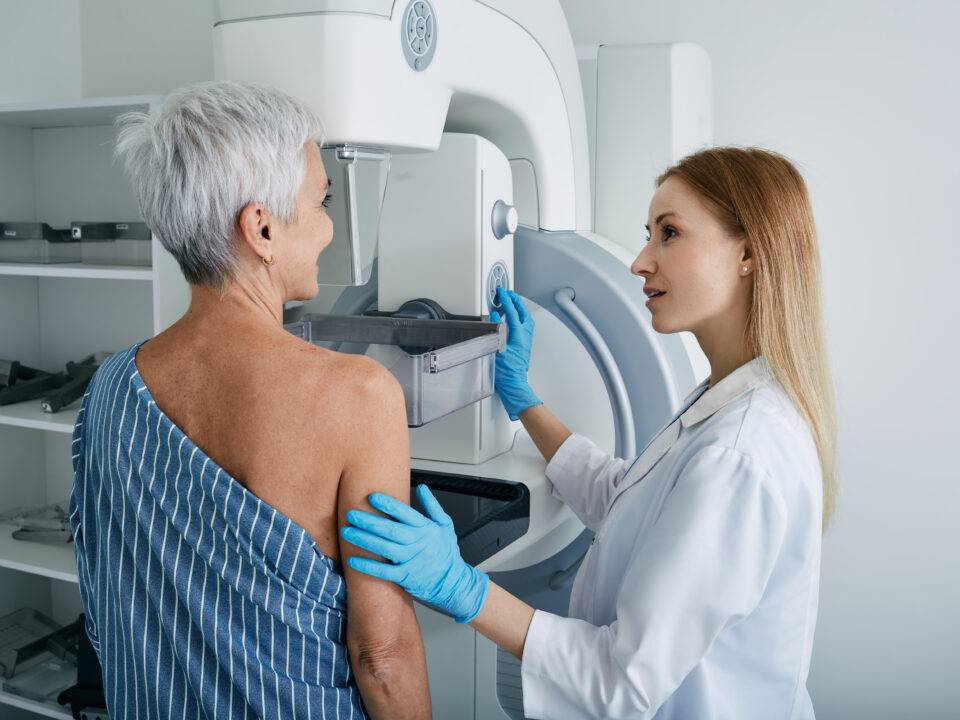
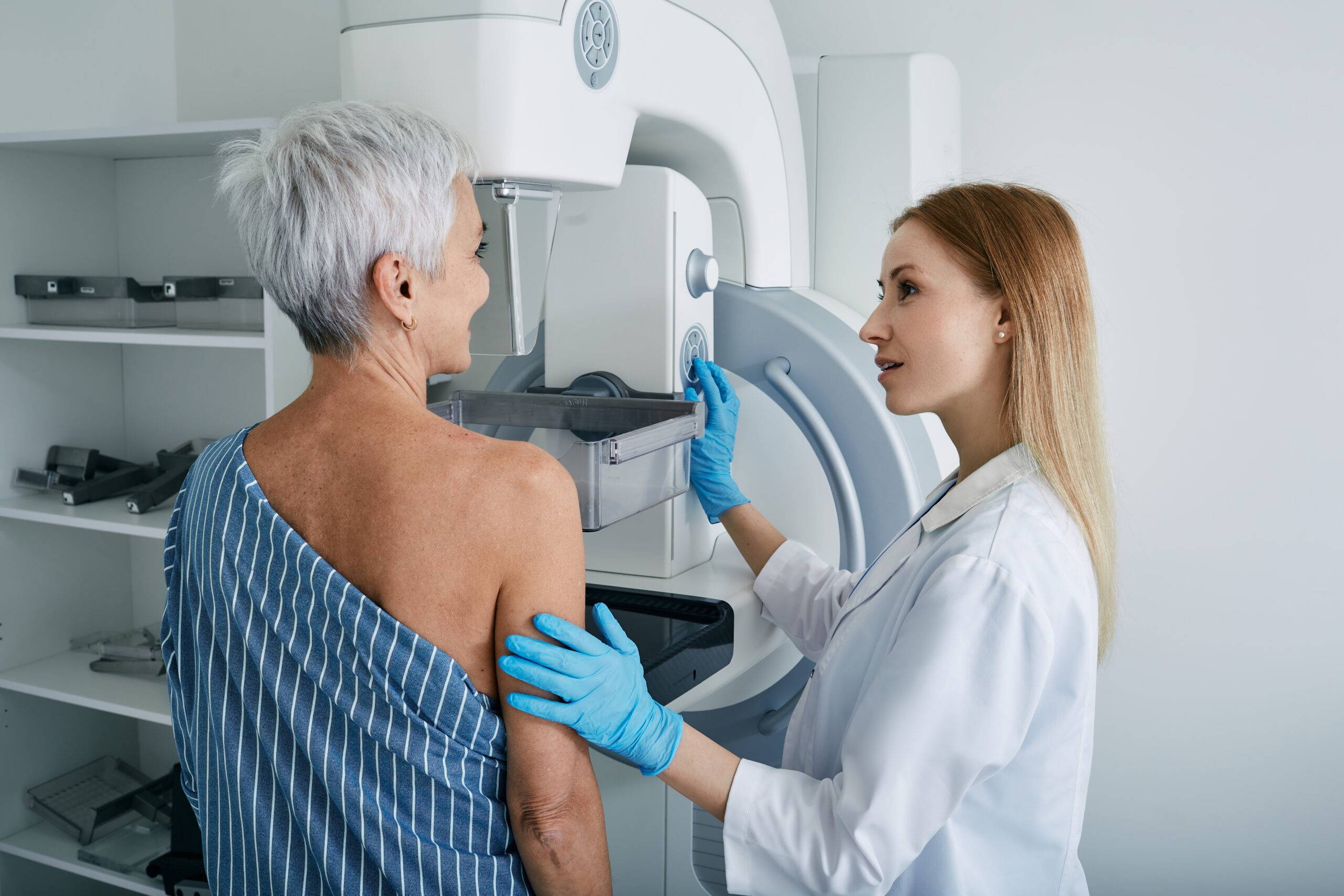
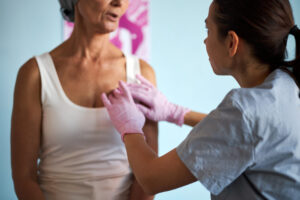
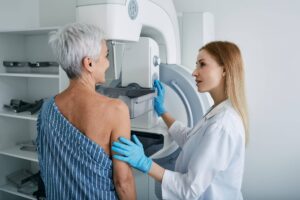
What is encouraging, however, is that survival rates are improving due to cancer screening and treatment. That is why it is so important to try and detect cancer early on, so that it can be dealt with. For women, this should include regular check-ups for breasts (such as mammograms and clinical breast examinations) and the reproductive system (such as Pap smears), and for men regular inspection of the testicles and functioning of the prostate. When it comes to beating skin cancer, picking it up early is vital. Get into the habit of doing monthly skin checks using the ABCDE guidelines on CANSA’s website and get a friend or family member to check out of sight areas like the scalp, back and buttocks. Any irregularities should immediately be reported to a doctor or dermatologist. Remember, because cell growth and division is an increased feature of the functionality of the reproductive organs, they can be more susceptible to cancer. Make an appointment with your doctor to discuss this in more detail.
What causes cancer?
There are many factors that can cause cancer, but these can be grouped into 3 categories: hereditary factors, environmental factors, and lifestyle factors.
In the case of hereditary factors, you are more at risk of cancer if there is a history of cancer in your family, and you have very little control over that (although this only accounts for 5-10% of total cases).
For environmental factors, you have some control, provided that you are aware of the environment, but this is not always the case. Such factors include exposure to toxic chemicals including pesticides, contaminants in drinking water, asbestos and radon, or second-hand smoke from cigarettes. People who live in cities are also more likely to develop cancer due to pollution caused by carbon emissions or burning of rubbish. Exposure to radiation is another significant environmental factor. This could mean too much sun, which can lead to melanomas, or something more intense (however unlikely): for example, if you were at Chernobyl in 1986 you would have had a much higher chance of developing cancer due to cell mutation and cell death.
Lifestyle factors are those over which you have the most control, and this is where you can do the most to prevent or treat cancer.
What can I do to protect myself and my family?
The smoking definitely has to go
As you saw in the stats above, lung cancer is the number one cause of cancer death. If you enjoyed the TV show The Crown, you might have noticed that Queen Elizabeth II’s father, George VI, died of lung cancer, as did her grandmother, Mary of Teck. Her uncle, Edward VIII (the king who abdicated the throne), died of throat cancer, and her younger sister, Margaret, died of a stroke. All were very heavy chain smokers, and both George VI and Margaret had part of their lungs removed because of smoking.
Alas, nicotine addiction leads to a craving every 20 minutes, but there are absolutely no health benefits to smoking – and that includes any tobacco products, pipes, e-cigarettes and hubbly or chewing tobacco. Aside from cancer, tobacco kills more than 5 million people each year. The second-hand smoke that you generate can cause an increase in cancer for your family. Speak to your doctor about quitting.
Watch your weight
There is a growing body of evidence that obesity is a major risk factor for cancer. While in the past sub-Saharan Africa did not have a problem with this due to food insecurity, the relative increase in wealth has meant food is much more accessible – and junk food even more so. The chemicals and preservatives found in snacks and fast foods have been shown to be carcinogenic (cancer-causing). In some instances, these substances ‘unlock’ the cancer in the cells and they begin to harm the body; in other people, they do not. But there is no way to predict this outcome.
Poor eating habits can be toxic to the body. Sugary drinks, two-minute noodles, maize or wheat snacks filled with MSG and tartrazine, cured and processed meats high in salt, foods lacking fibre, and foods high in trans-fat or saturated fat can become carcinogenic triggers as they release free radicals or affect gut health.
Since 1980, the incidence of obesity worldwide has doubled. It is estimated that half the world’s population – or about 4 billion people – will be obese (defined as have a body mass index of 30kg/m2 or higher) by 2030. Being overweight or obese has been linked to an increased risk of 10 types of cancer, including bowel, breast, gallbladder, prostate, kidney, liver, oesophagus, ovarian, pancreatic and uterine.
Eat them greens!
We often forget that we are omnivorous, which means that we were designed to eat meat AND vegetables and fruit. Time and again, the connection between health longevity and a diet rich in fruit and vegetables has been unequivocally established. One of the reasons for this is the anti-oxidants in fruit and vegetables, which help to reduce free radicals in the body and control inflammation.
We have met the enemy, and it is sugar
There is also a substantial body of evidence to show the link between cancer and sugar, especially the refined sugars of sugary drinks and sweets. High-fat foods (such as cakes, biscuits and pastries) can cause cancer of the colon and prostate. Singer Olivia Newton-John, star of the hit musical Grease, has completely cut sugar from her diet after it was found that her cancer had metastasised to other parts of her body and has reached stage IV.
Time to shake your booty
Love it or hate it, our bodies need exercise. General wisdom suggests that walking about 25 minutes a day is a great way to get the body moving. In total, research shows that we need around 150 minutes of moderate exercise per week in order to stay in good health and stave off cancer. Weight training is recommended in addition to cardio.
Lose the booze
It’s not for nothing that it has been banned during the Covid-19 pandemic, and that it has a sin tax attached to it! Alcohol abuse can lead to cancer of the liver, pancreas, mouth, throat and oesophagus.
Water, water, water
Water helps to keep the cells functioning properly and flushes toxins out of the body. It also promotes gut health by washing out the system. If you are already undergoing cancer treatment such as chemotherapy, your doctor will advise you to drink lots of water to prevent dehydration.
Watch out for viruses
The 3 Hs that are associated with cancer: human papillomavirus (HPV), which causes genital warts, has been linked to cervical cancer; hepatitis can lead to liver cancer; and HSV (herpes simplex virus) can also trigger cancer.
Take care with hormones
Women who are undergoing hormone therapy following a hysterectomy are at risk of developing cancer, especially breast cancer. If your breasts hurt when you take hormones, you need to look at your dosage. However, NOT taking hormones has also been strongly linked to osteoporosis. The rule of thumb is that you are more likely to develop osteoporosis if you don’t, than breast cancer if you do, but this is something that is definitely best discussed with your doctor.
To conclude
Medical treatment for cancer revolves around 4 elements: risk reduction, treatment, cure and pain relief. Where possible, education is used to help people make informed choices about how they can reduce their risk of cancer. Cancer is treated and cured where this is possible. But in some cases, the cancer has metastasised and spread to other parts of the body, in which case the only thing that can be done is to relieve pain and make the patient as comfortable as possible, with loved ones and lots of care.
While this may seem sad, remember that we are all mortal and will one day have to face our own departure from this earth. The best thing that we can do with that knowledge is to live a life where we follow our dreams, love the people that we love, and serve the world as best we can. It is then that our lives have meaning, and we can be ready to face death, as we all inevitably must.
Have a chat with your doctor about your personal risk factors and those of your loved ones, and see what you can do to live a longer life filled with love and purpose.
Also spend some time getting to know the Cancer Association of South Africa (CANSA). It is a well-established organisation full of professionals that can offer you hope combined with facts. Their website can be accessed as www.cansa.org.za. Their motto/slogan is very encouraging: cancer CAN be beaten!
The lenmed Group is a world-class chain of Private Hospitals that brings quality healthcare to communities across Southern Africa.
For more information please contact:
The Cancer Association of South Africa (CANSA)
Tel: +27 (0) 80 022 6622
Email: info@cansa.org.za
Website: www.cansa.org.za
Disclaimer: Any information contained here is merely a guidance. Always visit your healthcare practitioner for any health-related advice or diagnosis.
Additional resources


Flume Development