

Cold & Flu: Complete Guide to Understanding the Difference between Cold and Flu Symptoms and Treatment
June 12, 2026
Bringing Advanced Stroke Prevention to the North West: A New Era in Cardiac Care
June 26, 2026
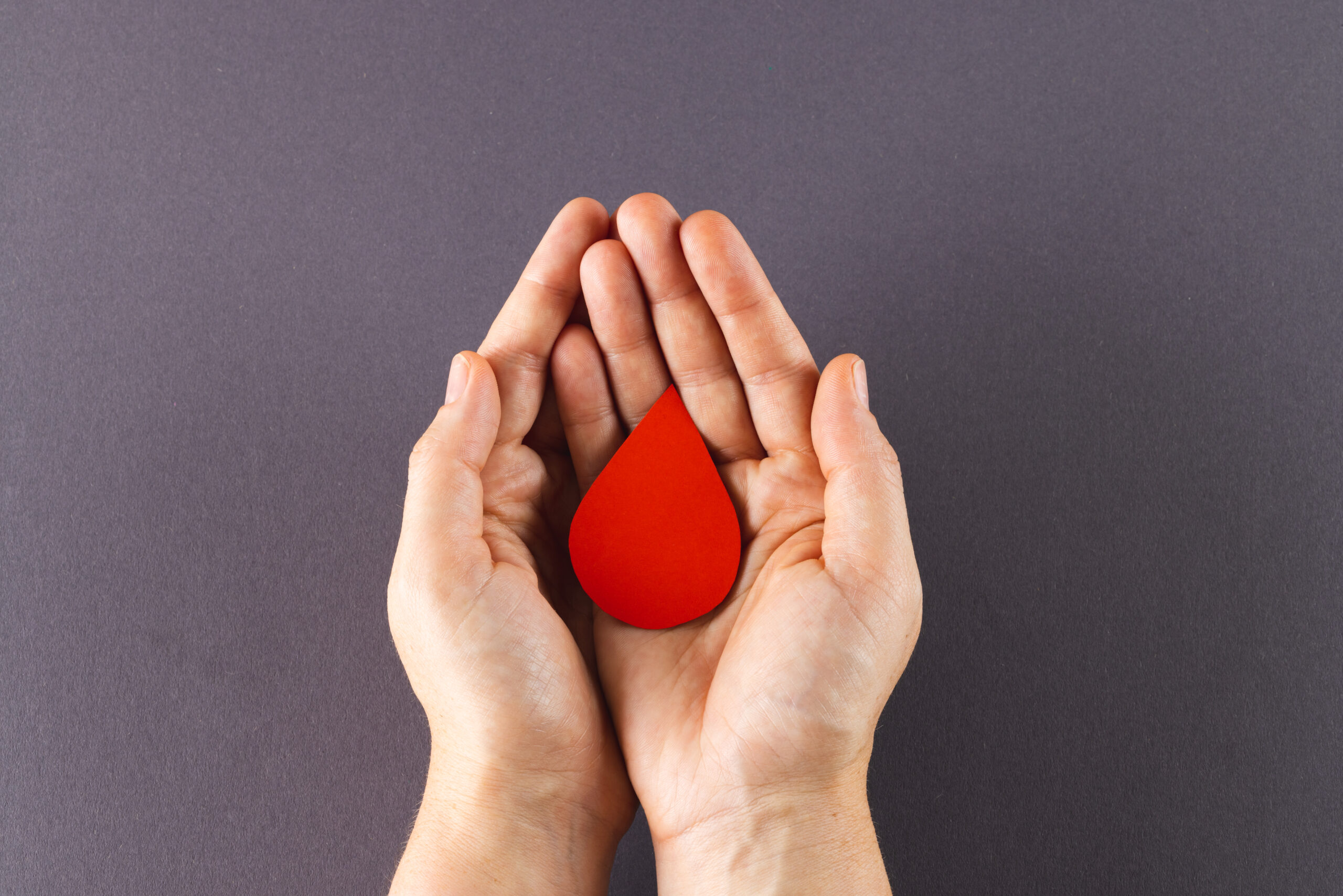

Blood Donation Awareness: Understanding Why Blood Donation Is Critical for Healthcare and Community
Every day, all over the world, patients rely on something that cannot be manufactured, imported at scale or stored indefinitely: donated blood. It is a resource that depends entirely on people choosing to give a small part of themselves to help someone else.
From emergency trauma care to planned surgeries and chronic illness management, blood donation is a crucial part of modern healthcare. Yet despite its importance, many people only think about donating when a crisis arises. In reality, the need is constant, and maintaining a stable supply requires ongoing participation from healthy, eligible donors.
The Role of Blood in Saving Lives
Blood plays a fundamental role in sustaining life. It carries oxygen, supports organ function and enables the body to recover from injury or illness. When a patient loses blood – whether due to an accident, surgery or a medical condition – a transfusion may be the only way to stabilise them. This is where the true impact of blood donation becomes clear.
A single unit of donated blood can mean the difference between life and death in critical situations. In emergency rooms, maternity wards and oncology units, access to safe, compatible blood is not optional – it is essential. In many cases, treatment cannot proceed without it.
Who Depends on Donated Blood?
It is easy to associate blood transfusions with major accidents, but the reality is far broader. A wide range of patients rely on donated blood as part of routine or ongoing care. This includes individuals undergoing surgery, women experiencing complications during childbirth and patients receiving treatment for conditions such as cancer or severe anaemia. Children with serious infections and people living with chronic blood disorders may also require transfusions at different stages of their care. Because these needs are ongoing, the demand for blood is not occasional – it is continuous.
Why Regular Donation Is So Important
One of the lesser-known aspects of blood donation is that blood has a limited shelf life. Red blood cells, for example, can only be stored for a number of weeks, while platelets have an even shorter lifespan. This means that blood banks must be constantly replenished. A once-off donation is valuable, but regular donation helps to maintain a stable and reliable supply.
In regions across Southern Africa, seasonal shortages are not uncommon. Donation rates often drop during holidays or colder months, even though the need in hospitals remains unchanged. This imbalance can place strain on healthcare systems and delay critical treatments.
Encouraging consistent, repeat blood donation is one of the most effective ways to support patient care.
How One Donation Helps More Than One Person
A single blood donation can benefit multiple patients. After collection, blood is carefully processed and separated into its key components – red blood cells, plasma and platelets. Each component serves a different purpose. Red blood cells are often used in surgery or trauma care, platelets are critical for patients undergoing chemotherapy and plasma can support individuals with clotting disorders or severe burns. This means that one donation does not help one person – it can contribute to several different treatments, extending its impact across multiple lives.
What Happens after You Donate?
The journey of donated blood does not end once it is collected – it undergoes a rigorous process to ensure it is safe and suitable for use. Every donation is screened for infections and carefully matched to ensure compatibility with recipients. It is then processed, stored under controlled conditions and distributed to healthcare facilities where it is needed most. This system is designed to protect both donors and patients, ensuring that every unit of blood used in treatment meets strict safety standards.
Understanding the Donation Process
For those who have never donated before, the process may seem daunting and cause unnecessary fear. In reality, donating blood is straightforward and designed to be as safe and comfortable as possible. The process typically begins with a brief health screening, where basic information is collected and eligibility is confirmed. The donation itself usually takes only a short time, and most people are able to return to their normal activities afterwards. The entire experience is structured to prioritise donor well-being while ensuring that the collected blood is of the highest quality.
Who Can Donate Blood?
While eligibility criteria may vary slightly depending on local guidelines, the general requirements are simple. Donors should be in good health, meet minimum age and weight thresholds and not have conditions that could affect the safety of the donation. Importantly, every potential donor is assessed individually. This ensures that donation is safe not only for the recipient but also for the person giving blood. If someone is unsure about their eligibility, healthcare professionals at donation centres can provide guidance and reassurance.
Addressing Common Concerns
It is natural to feel hesitant about donating blood, particularly if you have never done it before. Common concerns include fear of needles, uncertainty about the process or worrying about feeling unwell afterwards. In most cases, these concerns can be addressed through simple education and guidance from a professional. Donation is a well-established medical process, carried out by trained individuals in a controlled environment. For the vast majority of donors, it is quick, safe and well-tolerated.
Are There Benefits for Donors?
The primary purpose of blood donation is to help others, but many donors also describe a strong sense of personal fulfilment. Knowing that your donation may directly contribute to saving a life can be a powerful feeling. In addition, the screening process provides a basic check of your health, which can be reassuring. While this is not a substitute for regular medical care, it does offer an opportunity to stay more aware of your overall well-being.
The Role of Communities in Supporting Donation
Blood donation is not just an individual act – it is a collective effort. Communities play a crucial role in maintaining awareness and encouraging participation. Workplaces, schools and community organisations often host donation drives, making it easier for people to contribute. These initiatives help normalise donation and create a culture where giving blood is seen as a shared responsibility. In countries across Southern Africa, strengthening this sense of community involvement is key to ensuring a reliable blood supply.
One of the most poignant aspects of blood donation is how simple it is relative to its impact. It requires a small amount of time, minimal effort and no specialised skill – yet it has the potential to save lives. Behind every unit of blood is a patient: someone recovering from surgery, a child in need of urgent care or a mother experiencing complications during childbirth. For them, donated blood is not just helpful – it is a lifeline.
Conclusion
Blood donation remains one of the most direct and meaningful ways to contribute to healthcare. It supports critical treatments, strengthens health systems and, most importantly, saves lives. Across Southern Africa, the need for blood is ongoing. By choosing to donate – and doing so regularly – individuals become part of a life-saving network that supports patients every single day.
If you are eligible to donate, your contribution matters more than you may realise. A small act on your part can have a lasting impact on someone else’s life.
Frequently Asked Questions
- Why is blood donation considered critical for healthcare systems?
Blood donation is critical because blood cannot be manufactured artificially and has a limited shelf life of only 35–42 days. Hospitals require constant fresh blood supplies for emergency surgeries, cancer treatments, chronic disease management and trauma care. Every two seconds, someone needs blood, and only 3% of eligible donors actually give blood, creating persistent shortages that put lives at risk. - How many lives can one blood donation potentially save?
A single blood donation can save up to three lives because donated blood is separated into different components: red blood cells, plasma and platelets. Each component helps different patients – red cells for accident victims, plasma for burn patients and platelets for cancer patients. This means your one donation multiplies into multiple life-saving treatments for various medical conditions. - Who are the patients that most critically need blood donations?
Critical patients include accident and trauma victims requiring emergency surgery, cancer patients undergoing chemotherapy, individuals with blood disorders like sickle cell disease or thalassaemia, surgical patients during major operations, women experiencing childbirth complications and patients with chronic conditions like kidney disease. These patients depend entirely on voluntary donors for their survival and treatment. - How often can I safely donate blood, and what are the requirements?
Healthy adults can donate whole blood every 56 days (8 weeks), with platelet donations possible every 7 days. Requirements include: age 16–65 years (varies by country), minimum weight 50kg, good general health, normal haemoglobin levels and no recent travel to malaria-endemic areas. The donation process includes health screening to ensure both donor and recipient safety. - What happens to my blood after I donate it?
After donation, blood undergoes rigorous testing for infectious diseases (HIV, hepatitis, syphilis), blood typing and quality checks. It’s then separated into components: red blood cells (stored 35–42 days), plasma (frozen up to one year) and platelets (stored 5 days). Each component is carefully tracked and distributed to hospitals based on urgent medical needs and blood type compatibility. - Are there different types of blood donations, and which is most needed?
Yes, donations include whole blood (most common), platelets (for cancer patients), plasma (for trauma and burn patients) and double red cells (for accident victims). O-negative blood is the universal donor type, critically needed for emergencies when there’s no time for blood typing. AB plasma is universal for plasma transfusions. All types are essential for different medical situations. - What are the health benefits of donating blood for the donor?
Regular blood donation provides free health screenings, including blood pressure, pulse, temperature and haemoglobin checks. It may reduce iron levels (beneficial for those with excess iron), potentially lower blood pressure and provide cardiovascular benefits. Some studies suggest regular donation may reduce heart disease risk. However, the primary benefit is the profound satisfaction of saving lives. - Why do blood banks face constant shortages despite the critical need?
Blood shortages occur because only 3–5% of eligible donors actually give blood, donations decrease during holidays and summer months, blood has a short shelf life requiring constant replenishment and demand increases during emergencies and seasonal accidents. Additionally, strict safety requirements exclude many potential donors, and public awareness about the critical need remains insufficient despite ongoing campaigns.
If you would like to learn more about blood donation, your eligibility or when and where to donate blood, you can speak to any healthcare provider, such as a Lenmed general practitioner or family physician. Alternatively, visit the South African National Blood Service (SANBS) website for more information.
For more information, please contact:
Rene Ackermann
Discipline: Trauma Nurse
Telephone: +27 61 532 3623
And
Dr AMA Bhyat
Discipline: Surgeon
Hospital: Royal Hospital and Heart Centre
Telephone: +27 53 045 0476 / 079 902 0457
Email: enquiries@shifasurgical.co.za





Lauren Macindoe