

World Hepatitis Day: Your Guide to the 5 Types of Hepatitis
July 20, 2026
African First for Heart Failure Care as Lenmed Wilmed Park Hospital and Heart Centre Performs Groundbreaking Cardiac Implant
August 13, 2026

How Stress Shows Up in the Body: The Physiology of the Stress Response
Whether you’re facing a work deadline, managing family responsibilities, coping with financial pressures or navigating a major life change, your body is designed to respond to challenges and help you adapt.
In the short term, stress can be beneficial. It can sharpen focus and help you respond to difficult situations. However, when stress becomes constant or overwhelming, it can begin to affect both physical and mental health.
Many people associate stress with emotional experiences such as overthinking, worry, irritability or feeling overwhelmed. Yet stress often reveals itself through physical symptoms long before a person recognises the emotional impact. From headaches and digestive issues to muscle tension and skin conditions, the body’s stress response can affect nearly every organ system.
Understanding the Body’s Stress Response
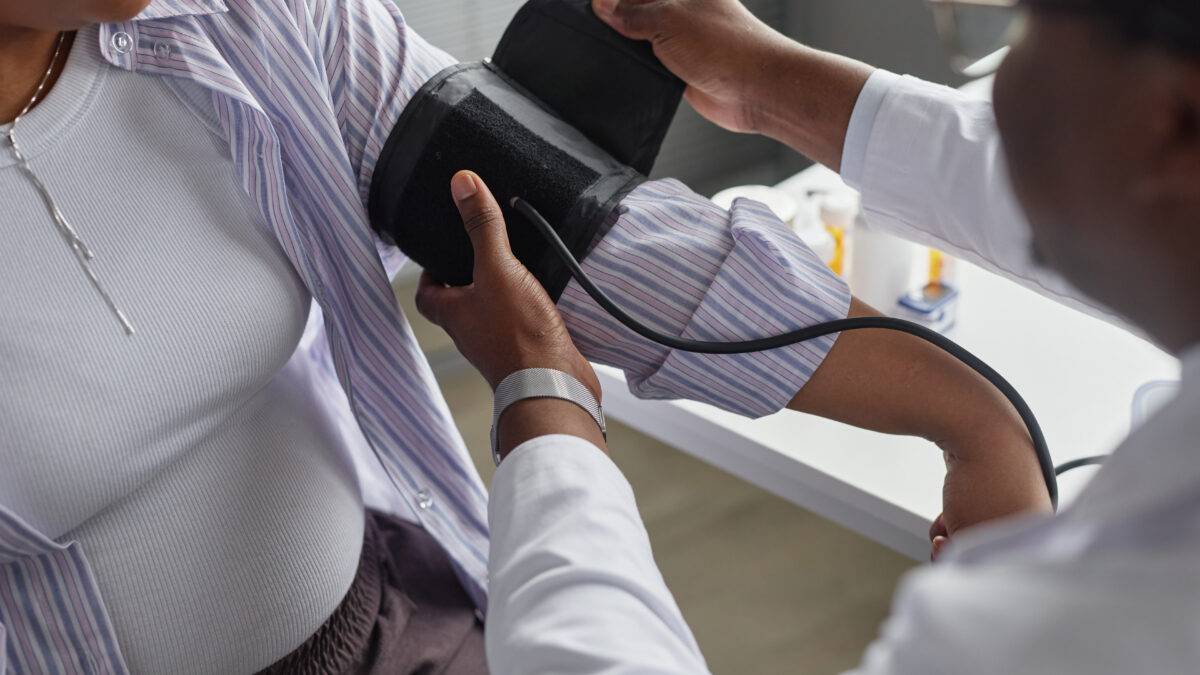
When the brain perceives a threat or challenge, it activates the body’s stress response system, often referred to as the “fight-or-flight” response.
This response triggers the release of stress hormones, including adrenaline and cortisol. These hormones prepare the body to respond to danger by increasing heart rate, raising blood pressure and directing energy towards essential functions needed for survival.
Superficially, this response is highly effective when the stress is relatively short-lived. However, modern stressors are often ongoing rather than temporary. Financial concerns, workplace pressures, relationship difficulties and health challenges may keep the body’s stress response activated for extended periods.
When this happens, the body may remain in a heightened state of alertness, leading to chronic stress and increasing the risk of physical and emotional health problems.
What Causes Stress?
The causes of stress vary from person to person. What feels manageable for one individual may feel overwhelming for another. That’s why stress and the ways in which individuals deal with it is not a one-size-fits-all case.
Common causes of stress include:
- Work-related or academic pressures
- Financial difficulties
- Family or caregiving responsibilities
- Relationship challenges
- Health concerns
- Major life changes, such as moving home or starting a new job
- Traumatic events
Stress can also result from ongoing uncertainty or repeated exposure to difficult situations.
As such, understanding the causes of stress is an important first step in developing effective and healthy coping strategies and improving overall well-being.
Types of Stress
Not all stress is the same. Healthcare professionals generally recognise several types of stress.
Acute Stress
Acute stress is short-term stress that occurs in response to an immediate challenge or threat. Examples include preparing for an important presentation, taking an examination or dealing with an unexpected emergency.
Episodic Acute Stress
Some individuals experience frequent episodes of acute stress. They may feel constantly rushed, overwhelmed or under pressure, resulting in repeated activation of the body’s stress response.
Chronic Stress
Chronic stress occurs when stressful situations persist for weeks, months or even years. Long-term financial difficulties, ongoing relationship conflict, workplace burnout or chronic illness may contribute to chronic stress.
Among the different types of stress, chronic stress is most strongly associated with long-term health consequences.
The Physical Symptoms of Stress
The physical symptoms of stress can affect nearly every system within the body.
While symptoms vary from person to person, common stress symptoms include:
- Headaches
- Muscle tension
- Fatigue
- Sleep disturbances
- Digestive problems
- Rapid heartbeat
- Elevated blood pressure
- Skin reactions
- Changes in appetite
- Difficulty concentrating
- Mood changes
- Memory problems
Many people are surprised to discover that symptoms they initially attribute to a physical illness may actually be linked to prolonged stress.
Stress and the Cardiovascular System
One of the first areas affected by stress is the cardiovascular system.
When stress hormones are released, the heart beats faster and blood vessels constrict. This increases blood flow to muscles and vital organs, preparing the body to respond to perceived threats.
Occasional increases in heart rate are normal. However, chronic activation of the stress response can result in persistently elevated cortisol levels, which may contribute to high blood pressure and place additional strain on the heart and blood vessels.
Over time, unmanaged chronic stress may increase the risk of cardiovascular disease and contribute to the development of metabolic syndrome, a group of conditions that includes hypertension, diabetes, obesity and dyslipidaemia. The risk is even greater when chronic stress is combined with other factors such as smoking, physical inactivity or poor nutrition.
Stress and Anxiety: How They Affect the Body
Stress and anxiety often occur together, although they are not the same thing.
Stress is generally a response to an external challenge, while anxiety may persist even when no immediate threat exists.
Both conditions can produce similar physical symptoms. Individuals experiencing stress and anxiety may notice:
- Rapid heartbeat
- Chest tightness
- Shortness of breath
- Sweating
- Dizziness
- Trembling
- Digestive discomfort
Because these symptoms can resemble those of medical conditions, it is important to seek professional evaluation when symptoms are severe, persistent or unexplained.
How Stress Affects the Digestive System
The brain and gut communicate through a complex network known as the gut-brain axis. When stress levels rise, digestive function can be disrupted.
The digestive system is particularly sensitive to emotional stress. Some people experience nausea, bloating, abdominal discomfort or diarrhoea. Others may develop constipation or changes in appetite.
Chronic stress can also worsen symptoms in individuals with existing digestive conditions, such as irritable bowel syndrome (IBS).
Maintaining healthy eating habits and managing stress levels can help support digestive health and reduce symptoms.
Stress Headaches and Muscle Pain
One of the most common physical symptoms of stress is muscle tension.
When the body perceives a threat, muscles naturally tighten as part of the protective stress response. If stress persists, muscles may remain tense for extended periods.
This can result in neck pain, shoulder discomfort, jaw tension and back pain. Many people also experience a stress headache, often described as a tight band of pressure around the head.
Poor posture, inadequate sleep and prolonged screen use may further contribute to tension-related symptoms. If muscle pain becomes persistent, some people may rely on anti-inflammatory pain medications for prolonged periods. Long-term use of these medicines should only occur under medical supervision, as it may increase the risk of complications such as high blood pressure, chronic kidney disease and peptic ulcers.
Stress Rash, Stress Hives and Skin Changes
The skin can provide important clues about stress levels.
For some individuals, emotional stress may contribute to the development of a stress rash or trigger flare-ups of existing skin conditions such as eczema, psoriasis or acne.
Others may experience stress hives, which appear as raised, itchy welts on the skin. Although stress does not directly cause all skin conditions, it can influence inflammation and immune function, making symptoms more noticeable.
If skin changes persist or worsen, medical assessment is recommended to rule out other causes.
Chronic Stress Symptoms and Immune Health
The immune system relies on balance to function effectively.
Short periods of stress may temporarily enhance certain immune responses. However, prolonged exposure to stress hormones, particularly persistently elevated cortisol levels, can suppress the immune system and reduce its ability to function effectively.
As a result, chronic stress symptoms often include increased susceptibility to infections, slower wound healing and longer recovery times after illness. Individuals experiencing ongoing stress may notice that they develop colds more frequently or struggle to recover from minor illnesses.
Supporting immune health through adequate sleep, good nutrition, regular exercise and effective stress management is essential for overall well-being.
Emotional Stress and Mental Health
Although we have predominantly focused on physical symptoms up until now, it is important to recognise the impact of emotional stress on mental well-being.
Emotional stress may contribute to:
- Irritability
- Mood changes
- Difficulty concentrating
- Low motivation
- Feelings of overwhelm
- Anxiety
- Depression
In some cases, exposure to severe trauma may contribute to post-traumatic stress disorder (PTSD), a mental health condition that can affect both emotional and physical well-being.
People living with post-traumatic stress disorder may experience symptoms such as intrusive memories, hypervigilance, sleep disturbances and physical stress reactions long after the traumatic event has occurred.
Early support and professional treatment can make a significant difference in recovery.
Stress Management: Practical Ways to Support Your Health
Many people wonder how to overcome stress or what steps they can take to improve their well-being.
There is no universal solution, but effective stress management often involves a combination of healthy habits and professional support when needed.
Twelve evidence-based approaches include:
Prioritising quality sleep
Adults should aim for seven to nine hours of uninterrupted sleep each night. Consistent, restorative sleep helps regulate stress hormones, supports cognitive function and allows the body to recover from the demands of the day.
Exercising regularly
Regular physical activity is one of the most effective ways to reduce stress and improve mood. Adults should aim for at least 150 minutes of moderate-intensity aerobic exercise each week, as recommended by the World Health Organisation.
Maintaining a balanced diet
Eating a nutritious diet that includes fruits, vegetables, whole grains, lean proteins and healthy fats provides the nutrients your body and brain need to cope with stress. Limiting highly processed foods and excess sugar may also help support stable energy levels.
Staying hydrated
Even mild dehydration can contribute to fatigue, headaches and difficulty concentrating, which may worsen feelings of stress. Adults should generally aim to drink around two to three litres of water each day, although individual needs may vary.
Limiting caffeine intake
While caffeine can temporarily increase alertness, consuming too much may increase feelings of anxiety, nervousness and restlessness or interfere with sleep. For most healthy adults, caffeine intake should not exceed 400 mg per day.
Practising deep breathing exercises
Slow, controlled breathing can help calm the body’s stress response by lowering your heart rate and encouraging relaxation. Even a few minutes of deep breathing each day can make a noticeable difference.
Using mindfulness or meditation techniques
Mindfulness and meditation can help you become more aware of your thoughts and emotions without feeling overwhelmed by them. Regular practice may improve emotional resilience and reduce stress over time.
Spending time outdoors
Being outside, particularly in natural surroundings, can help improve mood and reduce stress. Exposure to natural daylight also supports healthy circadian rhythms, which contribute to better sleep and overall well-being.
Building supportive social connections
Spending time with trusted friends, family members or support groups can help reduce feelings of isolation. Talking through challenges with others often makes stressful situations feel more manageable.
Setting realistic boundaries and expectations
Learning to say no when necessary, managing your workload and setting achievable goals can help prevent burnout and reduce unnecessary pressure.
Taking regular breaks during the day
Short breaks between tasks give your mind and body an opportunity to recharge. Stepping away from work, stretching or taking a brief walk can improve focus and reduce mental fatigue.
Seeking professional support when stress becomes overwhelming
If stress begins to interfere with your daily life, work, relationships or physical health, speaking with a healthcare professional or mental health practitioner can provide valuable support and effective treatment strategies.
These strategies promote both body stress relief and long-term resilience.
Supporting the Body’s Natural Stress Recovery Process
The body has an extraordinary ability to recover when given the right support.
Body stress release does not happen instantly. Recovery often requires consistent lifestyle habits that allow stress hormone levels to return to a healthier balance.
Regular exercise, restorative sleep, relaxation practices and meaningful social connections all support the body’s natural healing processes.
Over time, these habits can improve energy levels, reduce physical symptoms and strengthen overall health.
When Should You Seek Medical Help?
While occasional stress is a normal part of life, persistent symptoms should not be ignored.
Medical evaluation may be appropriate if you experience:
- Ongoing headaches
- Persistent digestive problems
- Unexplained chest pain
- Significant sleep disturbances
- Frequent infections
- Severe anxiety, or panic attacks
- Symptoms that interfere with daily functioning
A healthcare professional can help determine whether symptoms are related to stress, an underlying medical condition or a combination of factors.
Conclusion
Stress affects far more than emotions. The body’s stress response influences the heart, digestive system, muscles, immune system, skin and overall well-being.
Recognising the physical symptoms of stress can help individuals identify problems early and take steps towards better health. While occasional stress is a natural part of life, chronic stress can have significant consequences if left unmanaged.
By understanding the signs of stress and prioritising effective stress management strategies, individuals can support both their physical and mental well-being for the long term.
Frequently Asked Questions
- What are the most common physical symptoms of stress?
Common physical symptoms of stress include headaches, muscle tension, fatigue, sleep problems, digestive issues, rapid heartbeat, skin changes and difficulty concentrating.
- How does chronic stress affect your immune and digestive systems?
Chronic stress can weaken immune function, increase susceptibility to infections and disrupt normal digestive processes, leading to symptoms such as nausea, bloating, diarrhoea or constipation.
- How does mental stress cause physical pain in the body?
Mental stress activates the body’s stress response, causing muscles to tense and stress hormones to rise. Over time, this can contribute to headaches, neck pain, back pain and other physical symptoms.
- How can you tell if a physical symptom is caused by stress or medical illness?
Stress-related symptoms often fluctuate with emotional well-being and stressful events. However, persistent, severe or unexplained symptoms should always be assessed by a healthcare professional.
- What are the signs of chronic stress?
Common chronic stress symptoms include ongoing fatigue, sleep disturbances, irritability, headaches, digestive issues, frequent illness and difficulty concentrating.
- Can stress cause skin problems?
Yes. Stress may contribute to conditions such as a stress rash, stress hives, eczema flare-ups and acne in some individuals.
- How long does it take the body to recover from stress?
Recovery varies depending on the severity and duration of stress. Consistent stress management strategies, healthy sleep habits and lifestyle changes can support gradual recovery over time.
- What is the best way to manage stress naturally?
Regular exercise, quality sleep, balanced nutrition, mindfulness practices, social support and healthy coping mechanisms are among the most effective natural approaches to stress management.
If you or someone you care about is feeling overwhelmed and would like to learn more about stress management, book a consultation with a Lenmed general practitioner or family physician who can guide you further.
For more information, please contact:
Dr I Todo
Discipline: General Practitioner
Hospital: Beira Private Hospital
Telephone: +258 846 572 420
Email: ismeniatodo@gmail.com
And
Dr C Jacobs
Discipline: Clinical Psychologist
Hospital: Sunningdale Private Hospital, Wilmed Park Hospital and Heart Centre, Parkmed Neuro Clinic
Telephone: +27 81 512 6297
And
Dr MJ Ndhlovu
Discipline: Psychologist
Hospital: Zamokuhle Private Hospital
Telephone: +27 11 923 7813





Mackenzie Reichhardt