

Understanding Iron Deficiency: Symptoms, Causes and the Daily Habits That Help
August 14, 2026
Lenmed Zamokuhle Private Hospital Officially Launches Partnership with the Thembisa Mile
September 8, 2026


Hormonal Focus: How Perimenopause, Menopause and Endometriosis Show Up in Women
Hormones influence almost every aspect of a woman’s health, from the menstrual cycle and fertility to mood, energy levels and sleep. As hormone levels naturally change throughout life, it is normal to experience certain physical and emotional changes. However, when symptoms become persistent, severe or begin affecting your quality of life, they should not simply be dismissed as “part of being a woman”.
Perimenopause and menopause are normal stages of reproductive ageing, while endometriosis is a chronic gynaecological condition. All three can involve hormonal changes and overlapping symptoms, although they have different causes and require different approaches to diagnosis and management.
Understanding Hormonal Changes in Women
The term “hormonal imbalance” is often used to describe symptoms associated with hormonal changes, but these symptoms are not specific to a single hormonal disorder. Depending on your symptoms and stage of life, assessment may be needed to identify menopause, thyroid disease, anaemia, pregnancy, medication effects or other conditions.
Some symptoms that may be associated with hormonal changes include:
- Irregular or unusually heavy periods
- Hot flushes or night sweats
- Mood swings, anxiety or irritability
- Difficulty sleeping
- Fatigue
- Weight changes
- Reduced libido
- Headaches
- Acne or skin changes
- Hair thinning
- Vaginal dryness
These symptoms can occur during perimenopause and menopause, but they may also have other causes. A healthcare professional can help determine the underlying cause and recommend appropriate treatment where necessary.
Perimenopause: The Transition Before Menopause
Perimenopause is the natural stage leading up to menopause, during which hormone levels, particularly oestrogen, begin to fluctuate.
Perimenopause commonly begins in the 40s, although the timing varies between women. It can last for several years before menopause occurs.
The earliest perimenopause symptoms often include changes to the menstrual cycle. Periods may become shorter, longer, heavier, lighter or more irregular than usual.
Other common symptoms include:
- Hot flushes
- Night sweats
- Mood swings
- Increased anxiety
- Difficulty sleeping
- Brain fog or forgetfulness
- Fatigue
- Vaginal dryness
- Reduced libido
Some women experience only a few mild symptoms, while others find that hormonal changes significantly affect their daily lives.
Perimenopause Versus Menopause
Many people use these terms interchangeably, but they describe different stages. Understanding perimenopause versus menopause can make it easier to recognise what your body is experiencing.
Perimenopause is the transition period before menopause, when hormone levels fluctuate and menstrual cycles become irregular.
Natural menopause is diagnosed retrospectively after 12 consecutive months without a menstrual period in the absence of another cause. The diagnosis may require a different approach in women using hormonal contraception, after hysterectomy or when menopause occurs at an unusually young age.
Although menopause marks the end of natural reproductive years, hormonal changes and symptoms may continue afterwards. Every woman’s experience is unique, and symptoms vary considerably in both type and severity.
Understanding Menopause Symptoms
During menopause, oestrogen levels decline significantly. This hormonal shift can affect many parts of the body.
Common menopause symptoms include:
- Hot flushes
- Night sweats
- Sleep disturbances
- Mood changes
- Vaginal dryness
- Reduced libido
- Difficulty concentrating or “brain fog”
- Joint aches
- Fatigue
Over time, lower oestrogen levels may also contribute to reduced bone density and changes in cardiovascular health, making regular medical care and healthy lifestyle habits increasingly important.
If menopausal symptoms begin interfering with your work, relationships, sleep or overall well-being, speak to your healthcare provider about the treatment options available.
Endometriosis: A Hormone-Dependent Condition
Endometriosis is a chronic inflammatory condition characterised by endometrial-like tissue lesions outside the uterus. These lesions respond to hormonal changes during the menstrual cycle, which can lead to inflammation, pain and other symptoms.
Although endometriosis is influenced by hormones, particularly oestrogen, it does not necessarily cause abnormal hormone levels. Instead, hormonal fluctuations can influence symptoms throughout the menstrual cycle.
Common endometriosis symptoms include:
- Severe menstrual cramps
- Chronic pelvic pain
- Pain during or after sexual intercourse
- Pain during bowel movements or urination, particularly during menstruation
- Heavy menstrual bleeding
- Fatigue
- Difficulty becoming pregnant
Some women may also experience heavy menstrual bleeding, although this symptom can have many possible causes. Symptoms vary widely between individuals. Some women experience severe pain, while others have little discomfort despite extensive disease.
Because many women assume painful periods are normal, diagnosis is sometimes delayed. Persistent pelvic pain or symptoms that interfere with everyday life should always be assessed by a healthcare professional.
Endometriosis and Menopause
Many women wonder about the relationship between endometriosis and menopause.
For some women, symptoms improve after menopause because oestrogen levels decline. However, menopause does not guarantee that endometriosis will disappear completely. Some women continue to experience pelvic pain because endometriosis lesions, adhesions or other pain mechanisms may persist after menopause.
Menopausal hormone therapy may still be appropriate for women with a history of endometriosis who have troublesome menopausal symptoms. However, treatment should be individualised. Current ESHRE guidance recommends avoiding oestrogen-only regimens in women with a history of endometriosis and generally favours combined oestrogen-progestogen therapy, including after surgical menopause.
Ongoing pelvic pain after menopause should always be medically evaluated rather than assumed to be related to previous endometriosis.
Can Hormonal Changes Affect Mood and Anxiety?
Hormones and emotional well-being are closely connected.
Fluctuating hormone levels during perimenopause and menopause can contribute to mood swings, increased anxiety, irritability and difficulty coping with stress. Poor sleep, hot flushes and fatigue may further affect emotional health.
While mood changes can occur during hormonal transitions, persistent anxiety, depression or emotional distress should not be ignored. Effective treatments and support are available, and discussing these symptoms with your healthcare provider is just as important as addressing physical symptoms.
Lifestyle Measures That Can Support Health During the Menopausal Transition
Healthy lifestyle measures can support cardiovascular, bone, metabolic and overall health during and after the menopausal transition. They do not correct a generalised “hormonal imbalance” or replace evidence-based treatment when symptoms are troublesome.
Healthy habits include:
- Eating a balanced diet rich in whole foods
- Exercising regularly, including weight-bearing and resistance exercise to support bone and muscle health
- Prioritising a good-quality sleep routine
- Managing stress through relaxation techniques
- Maintaining a healthy weight
- Avoiding smoking
- Limiting excessive alcohol consumption
These lifestyle measures support overall well-being and can help with some symptoms, but persistent or severe symptoms still require professional medical assessment.
How Are Hormonal Conditions Diagnosed?
There is no single test that diagnoses every hormonal condition.
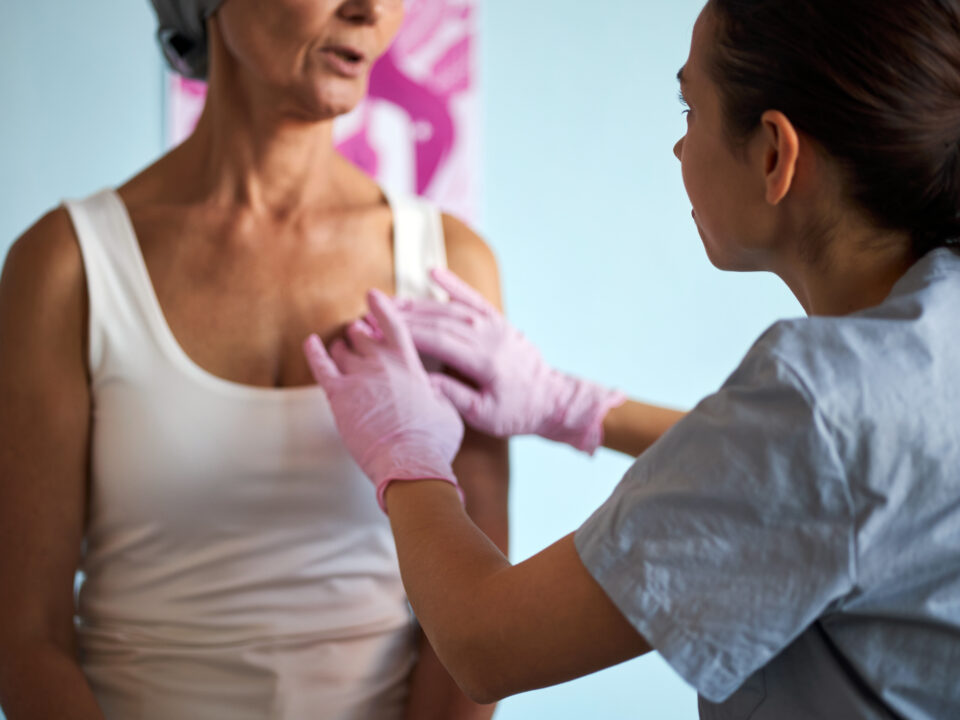
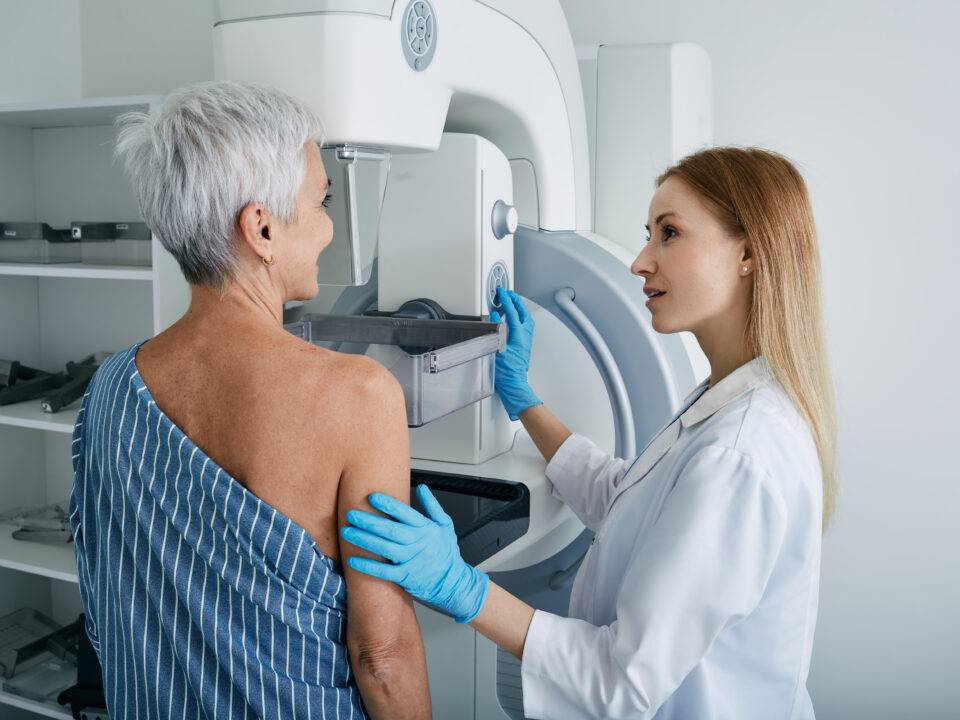
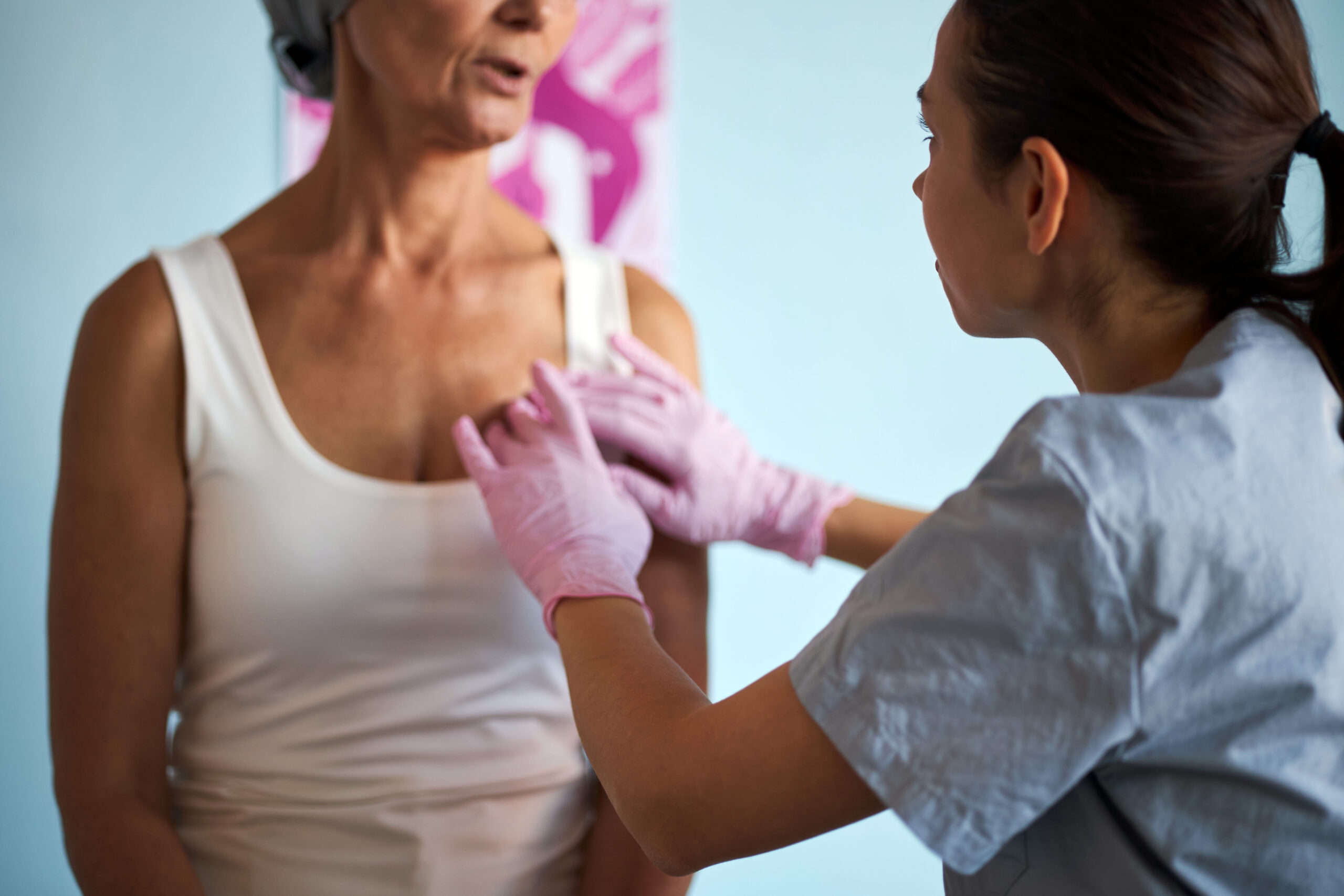
Your healthcare provider will begin by discussing your symptoms, menstrual history, medical history and any medications you take before performing a physical examination where appropriate. Depending on your symptoms, additional investigations may include blood tests, pelvic ultrasound or other imaging studies.
Blood tests may be appropriate to investigate other possible causes of symptoms, but there is currently no blood test that reliably diagnoses endometriosis.
Endometriosis is diagnosed using symptoms and clinical history together with appropriate examination and imaging, usually pelvic ultrasound and, when indicated, MRI. A normal scan does not exclude endometriosis. If symptoms persist despite appropriate treatment, or if empirical treatment is unsuitable, diagnostic laparoscopy may be considered and can be combined with surgical treatment.
Perimenopause is often diagnosed based on age, symptoms and menstrual history rather than hormone blood tests alone, as hormone levels naturally fluctuate during this stage.
Getting an accurate diagnosis helps ensure you receive the most appropriate treatment for your individual needs.
When Should You See a Doctor?
You should seek medical advice if you experience:
- Very heavy or prolonged menstrual bleeding
- Severe pelvic pain
- Irregular bleeding that concerns you
- Symptoms that interfere with your daily life
- Difficulty becoming pregnant
- Bleeding after menopause
- Persistent mood changes or anxiety
- Hot flushes or night sweats that significantly affect your sleep
Any bleeding after menopause should be medically assessed promptly. Evaluation commonly includes transvaginal ultrasound and endometrial tissue sampling, depending on the individual clinical circumstances.
Early assessment can help identify the underlying cause of your symptoms and ensure appropriate treatment is started if needed.
Conclusion
Hormonal changes are a natural part of life, but that does not mean you have to simply live with symptoms that affect your well-being. Whether you are experiencing changes associated with perimenopause, menopause or endometriosis, early assessment can help identify the cause and provide access to effective treatment options.
Frequently Asked Questions
Does endometriosis get better after menopause?
For many women, symptoms improve as oestrogen levels decline after menopause. However, symptoms do not always disappear completely, and some women continue to experience pelvic pain or other complications.
Can you test hormone levels to confirm perimenopause?
Hormone blood tests are not routinely needed to diagnose perimenopause. Healthcare providers often diagnose it based on your age, symptoms and changes in your menstrual cycle.
Is hormone replacement therapy safe if you have endometriosis?
Menopausal hormone therapy may still be appropriate for some women with a history of endometriosis, particularly when menopausal symptoms are troublesome. However, treatment should always be individualised. Current ESHRE guidance recommends avoiding oestrogen-only regimens in women with a history of endometriosis and generally favours combined oestrogen-progestogen therapy.
How long does perimenopause typically last?
Perimenopause commonly lasts several years, although the duration varies between individuals. Some women experience symptoms for only a short time, while others notice hormonal changes for much longer.
Can hormonal changes affect fertility?
Yes. Some hormonal conditions may affect ovulation and fertility. If you are struggling to conceive or have concerns about your reproductive health, seek medical advice for further assessment.
Can stress affect hormone balance?
Long-term stress can influence certain hormone levels and may worsen symptoms such as irregular periods, sleep disturbances and mood changes. Managing stress is an important part of overall well-being but should not replace medical evaluation for persistent symptoms.
Can hormonal changes cause weight gain?
Hormonal changes may contribute to changes in body composition and metabolism, particularly during perimenopause and menopause. However, weight gain is influenced by many factors, including age, lifestyle and overall health.
Are irregular periods always a sign of perimenopause?
No. Irregular periods can have many possible causes, including pregnancy, thyroid disorders, polycystic ovary syndrome (PCOS), certain medications and other medical conditions. A healthcare provider can determine the underlying cause.
Can hormonal changes affect sleep?
Yes. Hormonal fluctuations, particularly during perimenopause and menopause, can contribute to insomnia, night sweats and disrupted sleep patterns.
Can hormonal changes cause headaches?
Some women experience headaches or migraines in response to changing hormone levels, particularly around menstruation or during perimenopause.
When should I see a doctor about hormonal symptoms?
You should seek medical advice if your symptoms are severe, persistent, affect your daily life, interfere with fertility or include bleeding after menopause. A healthcare professional can determine the cause of your symptoms and recommend appropriate treatment.
If you would like to learn more about women’s hormonal health or explore a potential diagnosis, book a consultation with a Lenmed general practitioner, family physician or gynaecologist who can guide you further.
For more information, please contact:
Dr CM Maphanga
Discipline: Gynaecologist, Obstetrician
Hospital: La Verna Private Hospital
Telephone: +27 (0) 87 087 2603
Email: mfanafuthimaphanga@yahoo.com
And
Dr S Mojela
Discipline: Obstetrician & Gynaecologist
Hospital: Zamokuhle Private Hospital
Telephone: +27 87 106 9916
Email: drmatthewsimonmojela@gmail.com




Lauren Macindoe