

Prostate Cancer Awareness Guide: Symptoms, Risk, Prevention, Detection and Screening Age
October 30, 2026
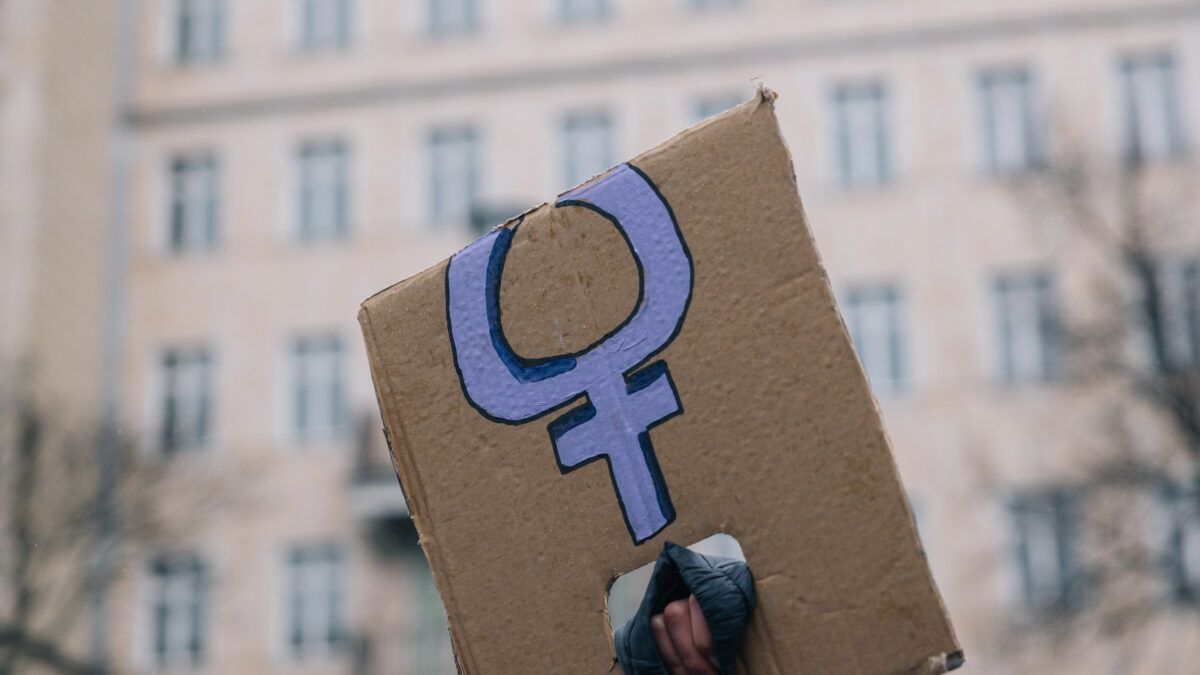

Signs of Gender-Based Violence and Where to Seek Help
Gender-based violence (GBV) can affect people of any age, gender or background. It can happen in a relationship, within a family, at work, in a community or in other settings, and it is not limited to physical violence.
Recognising the signs of abuse can help you identify when someone may need support. Understanding what gender-based violence is can also make it easier to challenge behaviours that are often normalised or dismissed.
If you or someone you know may be experiencing gender-based violence, you do not have to deal with it alone. Consider speaking to a healthcare professional, counsellor, social worker or another trusted support service about your options and how to stay safe.
If you are in immediate danger or have suffered a serious injury, seek emergency assistance or go to the nearest emergency department.
What Is Gender-based Violence?
Gender-based violence refers to harmful acts directed at a person because of their sex or gender, or violence that disproportionately affects people because of gender inequality and unequal power.
GBV can affect women and girls particularly severely, and they are disproportionately affected by many forms of violence, including intimate partner violence and sexual violence. However, men and boys can also be victims or survivors of GBV, as can people of other genders.
GBV is not always obvious. It may involve a pattern of controlling, threatening or degrading behaviour rather than a single incident of physical violence.
It can include:
- Physical abuse
- Sexual violence
- Emotional abuse
- Psychological abuse
- Financial or economic abuse
- Threats and intimidation
- Coercive or controlling behaviour
- Stalking and harassment
- Forced marriage or other harmful practices
- Technology-facilitated abuse
Domestic violence and intimate partner violence can therefore be forms of gender-based violence, but GBV is a broader term and is not limited to violence between partners.
Understanding the different types of gender-based violence matters because abuse can be difficult to recognise when there are no visible injuries.
What Are the Signs and Types of Gender-based Violence?
The signs of abuse can vary depending on the type of violence and the circumstances. Someone experiencing abuse may also hide what is happening because they are afraid, ashamed, financially dependent on the person abusing them or concerned about what could happen if they disclose the situation.
Physical abuse
Physical abuse includes deliberately causing physical harm or using physical force to intimidate or control someone. It may involve hitting, kicking, pushing, choking, burning, restraining or using an object or weapon to cause injury.
Possible signs include unexplained bruises, cuts or other injuries, frequent injuries with explanations that seem inconsistent, or changes in behaviour after contact with a particular person.
Sexual violence
Sexual violence includes sexual activity or contact without freely given consent. It can occur within marriage or a relationship. Being in a relationship with someone does not give them automatic consent to sexual activity.
Sexual violence can include rape, attempted rape, unwanted sexual touching, sexual coercion and being pressured or forced into sexual acts.
A person may experience physical injuries, sexually transmitted infections or an unintended pregnancy following sexual violence, but there may also be no visible physical signs.
Emotional and psychological abuse
Emotional abuse and psychological abuse can involve repeated insults, humiliation, threats, intimidation, manipulation or attempts to undermine someone’s confidence and independence.
A person experiencing this type of abuse may become unusually withdrawn, anxious or fearful. They may constantly monitor what they say or do to avoid upsetting someone, or begin to believe that the abuse is their fault.
Financial or economic abuse
Financial abuse involves using money or economic resources to control another person. This might include preventing someone from accessing their own money, controlling their income, interfering with their employment or education, taking their earnings or creating debt in their name.
Financial dependence can make it particularly difficult for someone to access safety or leave an abusive environment. This is one reason why simply telling someone to leave may not be realistic or safe.
Controlling behaviour, stalking and intimidation
Abuse can also involve monitoring someone’s movements, restricting who they can see, repeatedly contacting them, tracking their location, threatening them or preventing them from accessing friends, family, healthcare or other support.
These behaviours can occur alongside physical, sexual, emotional or financial abuse.
If you recognise these signs in your own relationship or in someone’s behaviour towards you, you are not responsible for another person’s decision to abuse or harm you.
How Does Gender-Based Violence Affect People in Southern Africa?
Gender-based violence in Southern Africa is a significant social, public health and human rights concern. Its effects can extend well beyond the immediate incident of violence.
Physical consequences may include injuries, chronic pain, disability, unwanted pregnancy and sexually transmitted infections, including HIV. Sexual violence can also affect reproductive and sexual health.
The psychological effects can include anxiety, depression, fear, shame, sleep difficulties and trauma. People may also experience difficulties at work or school, financial hardship, social isolation or disruption to family relationships.
Children can be affected even when they are not directly assaulted. Witnessing violence in the home can affect a child’s emotional wellbeing and sense of safety.
There are also significant barriers to seeking help. Fear of retaliation, financial dependence, stigma, social pressure, concerns about children and lack of access to services can all make it difficult for survivors to disclose abuse or report it.
In some communities, harmful attitudes about gender roles can also contribute to the normalisation of controlling or violent behaviour. Addressing gender inequality and challenging the idea that abuse is a private family matter are important parts of GBV prevention.
Most importantly, responsibility for violence lies with the person who chooses to use it. A survivor’s clothing, behaviour, relationship status, alcohol consumption, financial circumstances or decision to remain in a relationship does not cause or justify abuse.
How Can You Help Someone Experiencing Gender-Based Violence?
If someone tells you that they are experiencing abuse, your response can make a meaningful difference.
Listen without judgement. Give them space to explain what is happening without demanding details or questioning why they stayed.
Believe them. Avoid suggesting that they misunderstood the situation or caused the abuse.
Ask what they need. Different people will have different priorities. Someone may want medical care, counselling, practical assistance, information about reporting or simply someone they trust to listen.
Respect their decisions. You can provide information and support without taking control of the situation. Leaving an abusive relationship can involve significant safety, financial, housing and family
considerations.
Help them consider safety. If they are comfortable doing so, discuss practical steps such as identifying a safe person or place, keeping important documents accessible and deciding who they could contact in an emergency. Be mindful that phones and online accounts may be monitored by an abusive person.
Encourage professional support. Healthcare professionals, social workers, counsellors and specialist GBV organisations can help survivors understand their options and access appropriate services.
If someone is in immediate danger, has a serious injury, has been sexually assaulted or is at risk of further harm, encourage them to seek urgent assistance. In an emergency, contact the relevant emergency services or go to the nearest emergency department.
Helping someone does not mean confronting the alleged abuser yourself. Doing so can increase the risk to the survivor or to you.
Where Can You Seek Help for Gender-Based Violence in Southern Africa?
There is no single pathway that works for every survivor. The most appropriate support depends on where you live, what has happened and what feels safest.
South Africa
The Gender-Based Violence Command Centre (GBVCC) provides 24-hour support and counselling and can refer callers to relevant services.
GBV Command Centre: 0800 428 428
Please Call Me: 1207867#
SMS: Send ‘help’ to 31531
The GBVCC can also refer cases to the South African Police Service and field social workers where appropriate.
For emergencies, contact SAPS on 10111 or go to your nearest emergency department. South African government guidance also directs survivors of violence towards medical care, counselling and shelter services.
Sexual assault survivors can also access specialised services through Thuthuzela Care Centres, which provide coordinated support for survivors of rape and sexual violence.
Botswana
The Botswana GBV Prevention and Support Centre provides support for people affected by gender-based violence.
GBV Prevention and Support Centre: 14655
WhatsApp: +267 7426 5081
Police GBV toll-free line: 0800 600 144
The centre provides services including crisis support, counselling and refuge, while Botswana is also developing more integrated one-stop services intended to bring medical, legal, counselling and psychosocial support together for survivors.
If you are in immediate danger, contact the Botswana Police or seek emergency medical assistance.
Mozambique
Support services and reporting pathways can vary by location in Mozambique. The Government of Mozambique currently lists Linha Verde 116 as a channel for urgent or sensitive complaints, including gender-based violence-related matters in relevant government programmes. (mjd.gov.mz)
UNFPA Mozambique has also documented Linha Verde 1458 as a free hotline that provided information and support relating to gender-based violence, including referrals to government and other services. Because the information available for 1458 is older, check its current availability locally before relying on it as an emergency contact. (UNFPA Mozambique)
If you are in immediate danger or have suffered an injury, seek emergency assistance or go to the nearest healthcare facility.
Healthcare can be part of the support pathway
A hospital or healthcare professional can provide an important first point of contact for someone experiencing GBV. Depending on the circumstances, medical care may include treatment for injuries, sexual and reproductive healthcare, testing and treatment for sexually transmitted infections, pregnancy-related care, mental health support and referral to other services.
You do not need to wait until you are ready to make a police report before seeking medical attention. If you have experienced violence, a healthcare professional can discuss your immediate health needs and available support with you.
At Lenmed, healthcare professionals can provide medical care and help connect patients with appropriate support where available. If you need medical attention following an incident of violence, you can seek care at an appropriate Lenmed facility or another healthcare facility near you.
How can we raise awareness and help prevent gender-based violence?
GBV prevention starts with challenging the beliefs and behaviours that allow violence and inequality to become normalised.
This includes teaching children and young people about consent, healthy relationships, boundaries and respect. It means challenging sexist attitudes and jokes, refusing to excuse controlling or violent behaviour and supporting people who speak about their experiences.
Communities can also help by making information about GBV support services accessible and by creating environments where survivors can ask for help without being blamed or shamed.
Men and boys have an important role in prevention. Challenging harmful ideas about masculinity, encouraging respectful relationships and speaking out against violence can help change attitudes that contribute to abuse.
Organisations and healthcare services also have a role to play. Staff should be equipped to recognise possible signs of abuse, respond sensitively and help people access appropriate services.
GBV awareness is not simply about knowing that violence exists. It is about understanding what abuse can look like, knowing where support is available and creating communities in which violence is not accepted as normal.
Conclusion: Recognising abuse is the first step towards support
Gender-based violence can take many forms, and not all abuse leaves a visible injury. Physical abuse, sexual violence, emotional and psychological abuse, financial control, stalking and coercive behaviour can all have serious and lasting effects.
If you are experiencing abuse, you are not to blame and you do not have to make every decision at once. Consider speaking with someone you trust or contacting a professional support service to discuss your options and your safety.
If you are supporting someone else, listening without judgement, respecting their choices and helping them access professional support can be more useful than trying to solve the situation for them.
If you or someone you know needs medical care following gender-based violence, contact Lenmed or seek care at the nearest appropriate healthcare facility. If there is immediate danger, contact emergency services.
Frequently Asked Questions
- What is gender-based violence?
Gender-based violence is violence or abuse directed at someone because of their sex or gender, or violence that disproportionately affects people because of gender inequality. It can include physical, sexual, emotional, psychological and economic abuse, as well as threats, coercion and controlling behaviour.
- What are the signs of gender-based violence?
Signs may include unexplained injuries, fear of a partner or family member, social withdrawal, unusually low confidence, financial restriction, controlling behaviour, unwanted sexual activity, threats or being prevented from seeing friends and family. Not every survivor will show obvious signs of abuse.
- Can men experience gender-based violence?
Yes. Although women and girls are disproportionately affected by many forms of GBV, men and boys can also experience intimate partner violence, sexual violence, physical abuse and other forms of GBV. (Drupal)
- What are the different types of gender-based violence?
GBV can include physical abuse, sexual violence, emotional abuse, psychological abuse, financial or economic abuse, domestic violence, intimate partner violence, stalking, harassment, threats and coercive or controlling behaviour.
- How can I help someone experiencing GBV?
Listen without judgement, believe what they tell you, ask what support they want and respect their decisions. Help them consider safe ways to access professional support. Avoid confronting the alleged abuser yourself if doing so could increase the risk of harm.
- Should someone experiencing abuse leave immediately?
There is no single safe answer for every situation. Leaving can sometimes increase the risk of violence, particularly when an abusive person feels they are losing control. A survivor can speak to a specialist service, healthcare professional or social worker about safety planning and available options.
- Where can I report gender-based violence?
Reporting options depend on the country and circumstances. In South Africa, the GBV Command Centre can provide support and referrals, while SAPS can assist with reports of violence and sexual offences. In Botswana, the police have a dedicated GBV toll-free line. In Mozambique, government support and reporting pathways include Linha Verde 116 for urgent or sensitive complaints in relevant programmes.
- Can a hospital help someone experiencing gender-based violence?
Yes. Healthcare professionals can assess and treat physical injuries, provide relevant sexual and reproductive healthcare, address mental health needs and help connect survivors with other appropriate support services. You can seek medical care even if you are not ready to report the abuse to the police.
For more information, please contact:
Mrs N Tindleni
Discipline: Social Worker
Hospital: Zamokuhle Private Hospital
Telephone: +27 11 923 7785





Mackenzie Reichhardt