

Prioritising Early Breast Cancer Detection: Building a Regular Testing Routine
October 14, 2026
Prostate Cancer Awareness Guide: Symptoms, Risk, Prevention, Detection and Screening Age
October 30, 2026

World Diabetes Day: Different Types, Symptoms and Prevention
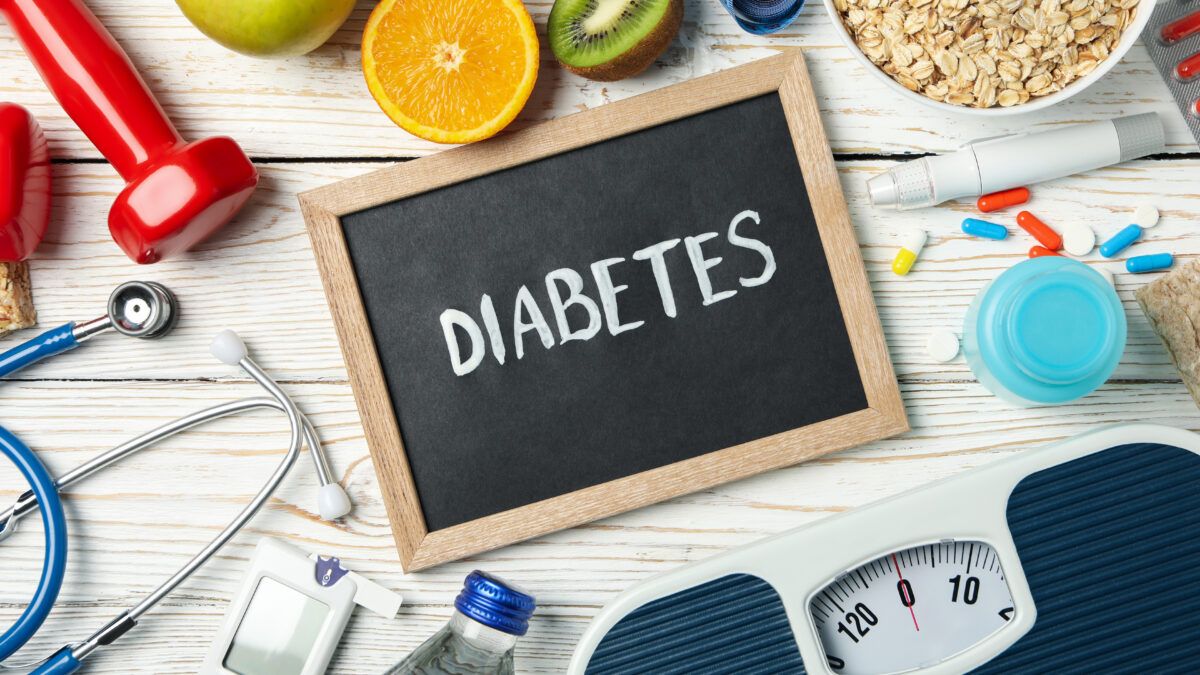
Diabetes affects how the body regulates blood glucose, also known as blood sugar. If left undiagnosed or poorly managed, it can lead to serious health complications. However, recognising the signs of diabetes, understanding your risk factors and accessing appropriate care can help protect your long-term health.
World Diabetes Day, observed on 14 November, raises awareness of the condition and the importance of early diagnosis. The 2026 campaign focuses on early action, encouraging people to recognise potential symptoms, seek testing and access the care they need.
Concerned about diabetes or your blood sugar levels? Book a consultation with a Lenmed healthcare professional to discuss your symptoms, risk factors and whether diabetes screening is appropriate for you.
What Is Diabetes Mellitus and How Does It Affect the Body?
Diabetes mellitus is a chronic condition in which blood glucose levels remain higher than normal because the body does not produce enough insulin or cannot use insulin effectively.
Insulin is a hormone produced by the pancreas. It helps glucose move from the bloodstream into the body’s cells, where it is used for energy. When insulin production or function is impaired, glucose builds up in the blood instead of being used effectively.
There are several types of diabetes, with type 1 diabetes, type 2 diabetes and gestational diabetes being the most widely recognised. Although they all involve elevated blood glucose, their causes and treatment differ.
Over time, persistently high blood sugar levels can damage blood vessels and nerves. Diabetes complications may include heart disease, stroke, kidney disease, vision problems, nerve damage and foot ulcers. Early diagnosis and appropriate diabetes treatment can help reduce the risk of these complications.
Prediabetes is a related condition in which blood glucose levels are higher than normal but not high enough to meet the diagnostic criteria for diabetes. It increases the risk of developing type 2 diabetes, although progression is not inevitable. Identifying prediabetes provides an opportunity to discuss lifestyle changes, monitoring and other appropriate interventions with a healthcare professional.
What Are the Common Symptoms of Diabetes?
Recognising diabetes symptoms can help you seek medical advice sooner. However, symptoms vary between individuals, and some people, particularly those with type 2 diabetes, may have few noticeable signs for years.
Common signs of diabetes include:
- Increased thirst: Feeling unusually thirsty throughout the day.
- Frequent urination: Needing to urinate more often, including during the night.
- Persistent tiredness: Feeling unusually fatigued despite getting sufficient rest.
- Unexplained weight loss: Losing weight without deliberately changing your diet or activity levels.
- Increased hunger: Feeling hungry more frequently than usual.
- Blurred vision: Experiencing changes in vision that may be associated with elevated blood glucose.
- Slow-healing wounds: Noticing that cuts, sores or other injuries take longer to heal.
- Recurring infections: Experiencing repeated skin, urinary tract or fungal infections.
These symptoms can develop gradually or appear relatively quickly. The early signs of diabetes may be subtle, so it is important not to dismiss persistent changes in your health.
Type 1 diabetes often develops over days or weeks, with symptoms that can become severe relatively quickly. Type 2 diabetes usually develops more gradually, and some people do not realise they have it until a routine blood test or assessment for another health problem identifies elevated blood glucose.
Symptoms alone cannot confirm a diabetes diagnosis. A healthcare professional will consider your symptoms, medical history and risk factors and arrange appropriate blood glucose testing. Tests may include fasting blood glucose, glycated haemoglobin (HbA1c) or an oral glucose tolerance test, depending on your circumstances.
If you notice possible diabetes symptoms, arrange a medical assessment rather than waiting for them to worsen.
What Is the Difference Between Type 1 and Type 2 Diabetes?
Although both conditions affect blood glucose regulation, type 1 diabetes and type 2 diabetes develop differently.
Type 1 diabetes
Type 1 diabetes is an autoimmune condition. The immune system mistakenly attacks the insulin-producing cells in the pancreas, leaving the body with little or no insulin production.
The exact causes are not fully understood, although genetic and environmental factors are thought to contribute. Type 1 diabetes is not caused simply by eating too much sugar or having an unhealthy lifestyle, and it cannot currently be prevented.
It can develop during childhood, adolescence or adulthood. Symptoms may appear rapidly and include intense thirst, frequent urination, fatigue and unexplained weight loss.
People with type 1 diabetes require insulin treatment to survive. Ongoing care also involves monitoring blood glucose, learning how food and physical activity affect glucose levels and working with a healthcare team to manage the condition safely.
Type 2 diabetes
Type 2 diabetes develops when the body becomes resistant to insulin and can no longer produce enough insulin to maintain healthy blood glucose levels. This is often associated with insulin resistance, in which cells respond less effectively to insulin.
Type 2 diabetes is the most common form of diabetes. Its development is influenced by several factors, including family history, age, genetics, physical activity, body weight and other aspects of health and environment.
Symptoms may develop gradually or remain unnoticed for a long time. Some people discover they have type 2 diabetes through routine screening or after developing a related health complication.
Treatment depends on the individual’s needs and may include dietary changes, physical activity, medication, blood glucose monitoring and, in some cases, insulin. Regular follow-up helps assess whether treatment is working and whether adjustments are needed.
Unlike type 1 diabetes, type 2 diabetes can often be prevented or delayed in people at increased risk. However, it is important to recognise that genetics, social circumstances and other factors also influence risk. A diagnosis is not a personal failure, and people living with diabetes deserve support rather than judgement.
What Is Gestational Diabetes and Who Is at Risk?
Gestational diabetes is a form of diabetes that develops or is first recognised during pregnancy. Pregnancy hormones can make the body less sensitive to insulin, meaning the pancreas may struggle to produce enough insulin to maintain healthy blood glucose levels.
Gestational diabetes does not always cause noticeable symptoms. This is why screening during pregnancy is important, even when someone feels well.
Factors associated with an increased risk of gestational diabetes include:
- Having had gestational diabetes during a previous pregnancy.
- Having a close family history of type 2 diabetes.
- Being overweight before pregnancy.
- Having previously given birth to a baby with a high birth weight.
- Having other recognised risk factors for diabetes.
Gestational diabetes can increase the risk of complications during pregnancy and delivery if it is not appropriately managed. These may include a larger-than-expected baby and difficulties during birth. The baby may also experience low blood glucose after delivery.
With appropriate monitoring, dietary guidance, physical activity where suitable and medication when needed, blood glucose can be managed to support the health of both the pregnant person and baby.
Blood glucose levels often return to normal after delivery, but having gestational diabetes increases the risk of developing type 2 diabetes later in life. Post-pregnancy follow-up and ongoing screening are therefore important.
Anyone who is pregnant should discuss the appropriate timing of diabetes screening with their maternity care team, particularly if they have known risk factors.
What Is Diabetic Ketoacidosis and When Is It an Emergency?
Diabetic ketoacidosis (DKA) is a serious, potentially life-threatening complication that occurs when the body does not have enough insulin to use glucose effectively for energy.
The body begins breaking down fat for energy, producing acidic substances called ketones. When ketones build up in the blood, they can make it dangerously acidic.
DKA is most commonly associated with type 1 diabetes, but it can also occur in people with type 2 diabetes. In some cases, it is the first sign of previously undiagnosed diabetes.
Warning signs of DKA include:
- Nausea and vomiting
- Abdominal pain
- Extreme thirst and frequent urination
- Deep or rapid breathing
- Fruity-smelling breath
- Severe tiredness, weakness or dehydration
- Confusion, drowsiness or reduced consciousness
DKA can develop rapidly and requires urgent hospital treatment. If you or someone else has these symptoms, particularly alongside possible diabetes symptoms or known diabetes, seek emergency medical care immediately. Do not wait for a routine appointment.
People living with diabetes should follow their healthcare team’s guidance on monitoring blood glucose and ketones when unwell, recognising warning signs and knowing when to seek emergency assistance.
How Can You Prevent or Reduce Your Risk of Type 2 Diabetes?
There is no guaranteed way to prevent diabetes of every type. Type 1 diabetes cannot currently be prevented, and gestational diabetes is not always avoidable. However, many people can reduce or delay their risk of developing type 2 diabetes through practical lifestyle changes and appropriate medical support.
Eat a balanced diet. Choose a variety of vegetables, fruit, wholegrains, legumes and other nutrient-rich foods. Limit sugary drinks and reduce frequent consumption of foods high in added sugar and saturated fat. A sustainable eating pattern is more useful than a restrictive diet that is difficult to maintain.
Stay physically active. Regular movement helps the body use insulin more effectively. Walking, cycling, swimming, dancing and other activities you enjoy can contribute to better metabolic health. Adults should generally aim for at least 150 minutes of moderate-intensity physical activity each week, building up gradually if needed and following medical advice where relevant.
Maintain a healthy weight where appropriate. For people who are above a healthy weight, even modest weight loss may help improve insulin sensitivity and reduce the risk of type 2 diabetes. Weight is only one part of the picture, however, and diabetes can affect people of different body sizes.
Avoid smoking. Smoking increases the risk of type 2 diabetes and cardiovascular disease. Support is available for people who want to stop smoking.
Attend routine health checks. Diabetes screening may be particularly important if you have a family history of diabetes, high blood pressure, a history of gestational diabetes or other recognised risk factors. A healthcare professional can advise whether blood glucose testing is appropriate and how often it should be repeated.
Take prediabetes seriously without assuming diabetes is inevitable. If testing identifies prediabetes, discuss practical changes and follow-up with your healthcare professional. Early support can help reduce the risk of progression.
Healthy lifestyle choices support overall health, but they do not replace medical treatment for someone who already has diabetes. If you have been diagnosed, follow your personalised care plan and discuss any proposed changes to medication or treatment with your healthcare team.
Take Action This World Diabetes Day with Lenmed
World Diabetes Day is an opportunity to learn more about diabetes, recognise possible symptoms and take practical steps towards better health. Early assessment can help identify elevated blood glucose, clarify your risk and support timely treatment where needed.
Whether you are concerned about diabetes symptoms, have a family history of the condition, are planning a pregnancy or need support managing an existing diagnosis, a healthcare professional can help you understand the next steps.
Lenmed hospitals across Southern Africa provide access to healthcare professionals and a range of medical services. The appropriate service or specialist will depend on your needs and the facilities available at your chosen hospital.
Concerned about your blood sugar levels or your risk of diabetes? Book a consultation with a Lenmed healthcare professional to discuss diabetes screening, testing and care. If you experience warning signs of diabetic ketoacidosis, seek emergency medical care immediately rather than waiting for a consultation.
Taking action early can help you access the right support, make informed decisions about your health and reduce the risk of avoidable complications.
Frequently Asked Questions
- What are the first signs of diabetes?
Early signs may include increased thirst, frequent urination, fatigue, increased hunger, blurred vision and unexplained weight loss. Some people with type 2 diabetes have no noticeable symptoms, so blood glucose testing may be needed to identify the condition.
- Can diabetes be prevented?
Type 1 diabetes cannot currently be prevented. However, lifestyle changes can help many people reduce or delay their risk of type 2 diabetes. Gestational diabetes is not always preventable, making appropriate screening during pregnancy important.
- What is the difference between type 1 and type 2 diabetes?
Type 1 diabetes is an autoimmune condition in which the body produces little or no insulin. Type 2 diabetes develops when the body does not use insulin effectively and cannot produce enough to maintain normal blood glucose levels. Both require appropriate medical care, but their treatment approaches differ.
- How is diabetes diagnosed?
Diabetes is diagnosed using blood tests, which may include fasting blood glucose, HbA1c or an oral glucose tolerance test. The appropriate test depends on the individual’s circumstances. Symptoms alone cannot confirm a diagnosis.
- What is gestational diabetes?
Gestational diabetes is high blood glucose that develops or is first recognised during pregnancy. It is usually identified through screening because symptoms may be absent. Appropriate monitoring and treatment help reduce risks for the pregnant person and baby.
- What is diabetic ketoacidosis?
Diabetic ketoacidosis, or DKA, is a potentially life-threatening complication caused by insufficient insulin and a dangerous build-up of ketones in the blood. Symptoms may include vomiting, abdominal pain, deep or rapid breathing, fruity-smelling breath and confusion. DKA requires emergency hospital treatment.
- Can type 2 diabetes be reversed?
Some people with type 2 diabetes can achieve remission, meaning their blood glucose levels remain below the diabetes range without glucose-lowering medication for a sustained period. Remission is not guaranteed and does not mean the condition can never return. Medical monitoring remains important, and prescribed medication should not be stopped without professional advice.
- When should I get tested for diabetes?
Speak to a healthcare professional if you have possible diabetes symptoms, recognised risk factors or concerns about your blood glucose levels. Screening may also be recommended during pregnancy. Seek urgent medical attention if symptoms are severe or you suspect diabetic ketoacidosis.
This World Diabetes Day, take the next step towards better health. Contact a Lenmed general practitioner or family physician to discuss your diabetes risk, appropriate testing and the care you may need.
For more information, please contact:
Dr S Chinasamy
Discipline: Nephrologist, Physician (Internal Medicine)
Hospital: La Verna Private Hospital
Telephone: +27 (0) 87 087 2627
Email: sugenc@mweb.co.za
And
Dr I Todo
Discipline: General Practitioner
Hospital: Beira Private Hospital
Telephone: +258 846 572 420
Email: ismeniatodo@gmail.com




Mackenzie Reichhardt