

African First for Heart Failure Care as Lenmed Wilmed Park Hospital and Heart Centre Performs Groundbreaking Cardiac Implant
August 13, 2026
Understanding Iron Deficiency: Symptoms, Causes and the Daily Habits That Help
August 14, 2026
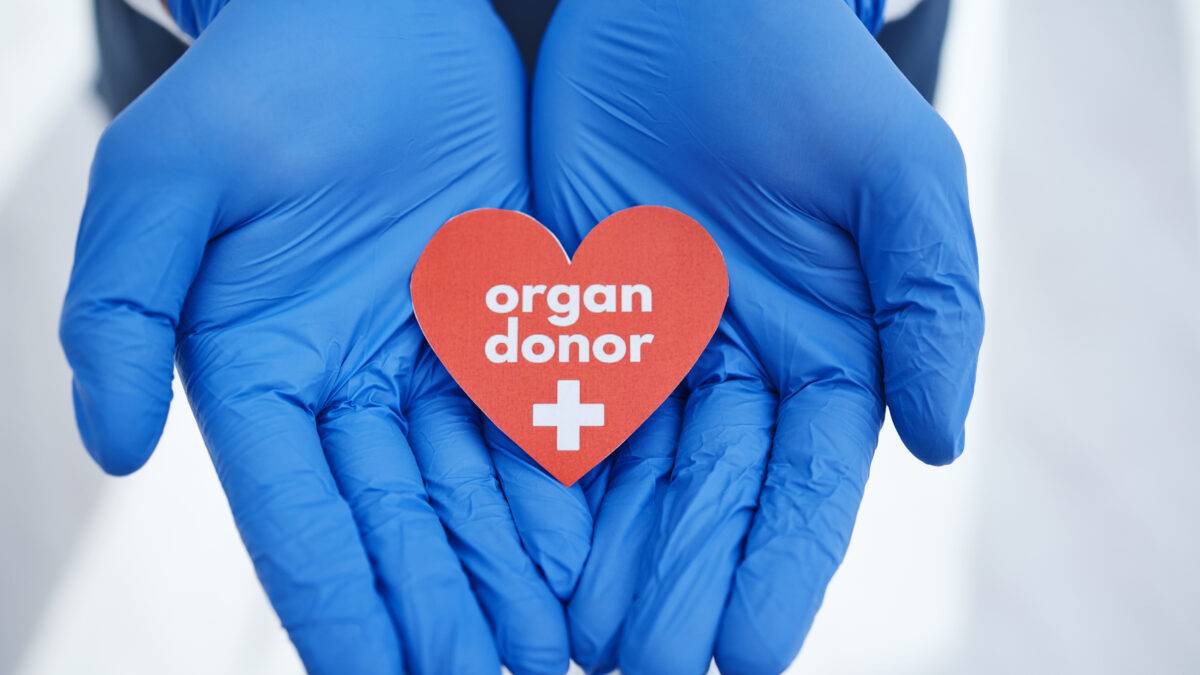
Organ Donation: Which Organs Can Be Donated and Why It Matters
Every day, people with life-threatening illnesses wait for the call that could change – or even save – their lives. For many, an organ transplant offers the best chance of recovery when other medical treatments are no longer effective.
Organ donation is a generous act that can transform the lives of multiple people and provide hope to families facing serious illness. Yet many people are unsure about how donation works, which organs can be donated, or whether they are eligible to become donors.
The Importance of Organ Donation
The importance of organ donation cannot be overstated. Donated organs and tissues can restore health, improve quality of life and, in many cases, save lives.
The need for donor organs continues to exceed the number available, meaning many patients spend months or even years waiting for a suitable transplant. By choosing to become a donor, you have the opportunity to make a lasting difference to others.
One organ donor has the potential to save up to eight lives through organ donation and improve the lives of many more through tissue donation.
Which Organs Can Be Donated?
Many people are surprised by which organs can be donated.
Following death, several organs may be suitable for transplantation, depending on the donor’s health, the circumstances surrounding their death and careful medical assessment.
Organs that may be donated include:
- Heart
- Lungs
- Liver
- Kidneys
- Pancreas
- Small intestine
Each donated organ is carefully assessed to determine whether it is suitable for transplantation. Not every organ will be appropriate for every recipient, and matching donors with recipients involves factors such as blood type, tissue compatibility, medical urgency and organ size.
What Tissues Can Be Donated?
Organ donation and tissue donation are closely related, but they are not the same.
While organs are transplanted to replace failing organs, donated tissues help restore function, improve mobility, preserve sight and support reconstructive procedures.
Tissues that may be donated include:
- Corneas
- Heart valves
- Skin
- Bone
- Tendons
- Cartilage
Unlike organs, some donated tissues can be preserved for longer periods before transplantation, allowing them to benefit patients when needed.
Living Organ and Tissue Donation
Not all donations take place after death.
Living organ donation allows healthy individuals to donate certain organs or tissue while they are still alive, provided doing so is medically safe.
The most common living donations include:
- One kidney
- Part of the liver
Because the liver has the remarkable ability to regenerate, both the donor’s and recipient’s liver can grow back to near-normal size over time.
While many tissue donations occur after death, some tissues can also be donated by living donors.
Examples include:
- Bone marrow or blood stem cells, which can help treat conditions such as leukaemia and other blood disorders.
- Blood, which is used in a wide range of medical treatments and emergency care.
- Platelets and plasma, which can be donated separately and are used to treat patients with certain medical conditions or severe injuries.
- Femoral head: The femoral head is removed during hip replacement surgery and can be donated. It is used to make bone “cement” and bone chips that are used during certain surgical implants, such as hip replacements.
These donations differ from organ donation and are performed under carefully controlled medical conditions to protect the health and wellbeing of the donor.
Living donation involves comprehensive medical, surgical and psychological assessments to ensure the procedure is as safe as possible for both the donor and recipient.
Who Can Become An Organ Donor?
Many people assume they are too old or have a medical condition that automatically prevents them from becoming donors. In reality, there are very few absolute exclusions.
Potential donors are assessed individually at the time donation becomes possible. Healthcare professionals consider factors such as:
- Overall health
- Medical history
- Cause of death
- The condition of individual organs or tissues
If you wish to donate, it is usually best to register your decision and allow transplant specialists to determine your suitability if the opportunity arises.
How Organ Donation Works
Organ donation follows a carefully regulated medical and ethical process designed to protect both donors and recipients.
If a person has previously registered as an organ donor, or if their family agrees to donation after death, a specialist transplant team assesses whether organ donation is possible.
Before any organs are retrieved, doctors first confirm the patient meets strict medical criteria. The medical team responsible for caring for the patient is separate from the transplant team, ensuring that every effort to save the patient’s life is made before donation is ever considered.
If donation is appropriate, transplant specialists carefully match suitable organs to recipients on transplant waiting lists.
Throughout the process, donors and their families are treated with dignity, compassion and respect.
Organ Donation Registration
If you decide that you would like to become a donor, organ donation registration is an important first step, but is not an absolute requirement to become a donor.
Equally important is discussing your decision with your family. In many cases, your loved ones will be involved in the donation process after your death, so ensuring they understand your wishes can help make a difficult time a little easier.
Registering as a donor and communicating your decision gives healthcare teams the best opportunity to honour your wishes if donation becomes possible.
How to Become An Organ Donor
Many people wonder how to become an organ donor.
The exact registration process varies depending on where you live, but it generally involves registering your decision through the appropriate national or regional organ donation organisation.
You should also:
- Inform your family about your wishes
- Keep your registration details up to date if your circumstances change
- Consider carrying documentation that indicates your decision to become a donor
Remember that registering is only one part of the process. Having an open conversation with those closest to you is equally important.
Common Myths about Organ Donation
Misunderstandings sometimes prevent people from registering as organ donors.
Some common myths include:
“Doctors won’t try as hard to save my life if I’m a registered donor.”
This is not true. The medical team’s priority is always to save the patient’s life. Organ donation is only considered after strict medical standards are met.
“I’m too old to donate.”
Age alone does not automatically prevent donation. The suitability of individual organs and tissues is assessed at the time of donation.
“I have a medical condition, so I can’t donate.”
Many medical conditions do not automatically exclude donation. Specialists evaluate each potential donor individually.
Why Every Donor Matters
The impact of organ donation extends far beyond the transplant itself.
A donated heart may allow someone to return to work, spend more time with their family or watch their children grow up. A kidney transplant may free someone from years of dialysis. Corneal donation can restore sight, while donated skin may help people recover from severe burns.
One person’s decision to become a donor can positively affect many individuals and their families.
Although not every donor will ultimately become a donor, registration increases awareness of donation and encourages important conversations within families and communities.
Ready to Register as An Organ Donor?
Choosing to become an organ donor is a personal decision, but it is one that has the potential to save lives and improve the lives of many others. Once you have made your decision, it is important to discuss or register your wishes, including with your loved ones so they understand and can honour your choice.
You can find more information or register through the following organisations:
- South Africa: The Organ Donor Foundation of South Africa (ODF) provides information about organ and tissue donation and offers online donor registration.
- Botswana: Speak to your healthcare provider or contact the Botswana Ministry of Health for the latest guidance on organ donation services and transplant programmes.
- Mozambique: For information on organ donation and transplant services, contact the Ministry of Health of Mozambique (Ministério da Saúde) or your local healthcare provider.
Whether you choose to register today or simply start the conversation with your family, learning about organ donation is the first step towards giving someone else the chance of a healthier future.
Conclusion
Choosing to become an organ donor is a personal decision, but it is one that has the potential to save lives and improve the lives of many others.
Learning about organ donation, discussing your wishes with your family and completing organ donation registration are important steps towards making that decision.
Frequently Asked Questions
- Does organ donation cost anything for the donor or their family?
- No. The costs associated with organ and tissue donation are not paid by the donor or their family.
- 2. Can I choose which organs or tissues I donate?
- Yes. Many organ donation programmes allow you to specify which organs or tissues you wish to donate.
- 3. How do doctors confirm brain death before organ donation?
- Brain death is determined using strict medical criteria by experienced doctors. A series of clinical assessments is performed to confirm the complete and irreversible loss of all brain function before organ donation can proceed.
- 4. Will my family know who receives my organs?
- In most cases, the identities of both donors and recipients remain confidential to protect everyone’s privacy. Some transplant programmes may allow anonymous communication under specific circumstances.
- 5. How do I register as an organ donor?
- The registration process depends on your country’s organ donation programme. Registering your decision and discussing it with your family are both important steps.
- 6. Can I still become an organ donor if I am older?
- Yes. There is no universal upper age limit for organ donation. Doctors assess the health and suitability of each organ or tissue individually.
- 7. Can organ donation conflict with funeral arrangements?
- No. Organ and tissue donation is performed with great care and respect. It does not usually prevent an open-casket funeral or interfere with normal funeral arrangements.
If you are interested in learning more about organ donation, book a consultation with a Lenmed general practitioner or family physician who can guide you further.
For more information, please contact:
Ms C Goldie
Discipline: Transplant Manager
Hospital: Ethekwini Hospital and Heart Centre
Email: Cindy.Goldie@lenmed.co.za




Mackenzie Reichhardt