
Breast Cancer Awareness Month: Why Early Detection Matters
October 1, 2026
Prioritising Early Breast Cancer Detection: Building a Regular Testing Routine
October 14, 2026
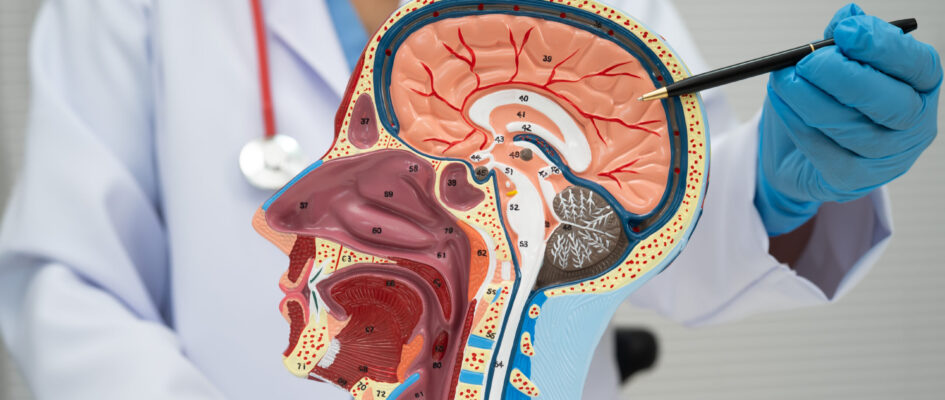
World Stroke Day: How to Use the FAST Test to Recognise a Stroke
A stroke can happen suddenly, without warning. One moment, someone may be talking, walking or going about their day normally, the next, they may struggle to speak, move an arm or smile normally. Being able to spot the symptoms and act quickly can make a life-saving difference.
World Stroke Day, held on 29 October each year, is an opportunity to raise awareness of strokes, its prevention and treatment, and the importance of recognising the warning signs. The World Stroke Organisation’s current campaign continues to emphasise the importance of spotting stroke symptoms and taking action quickly.
One of the simplest ways to recognise a possible stroke is the FAST test: Face, Arms, Speech, Time. It takes only seconds to use and could help you recognise a stroke in yourself or someone else.
What Is a Stroke?
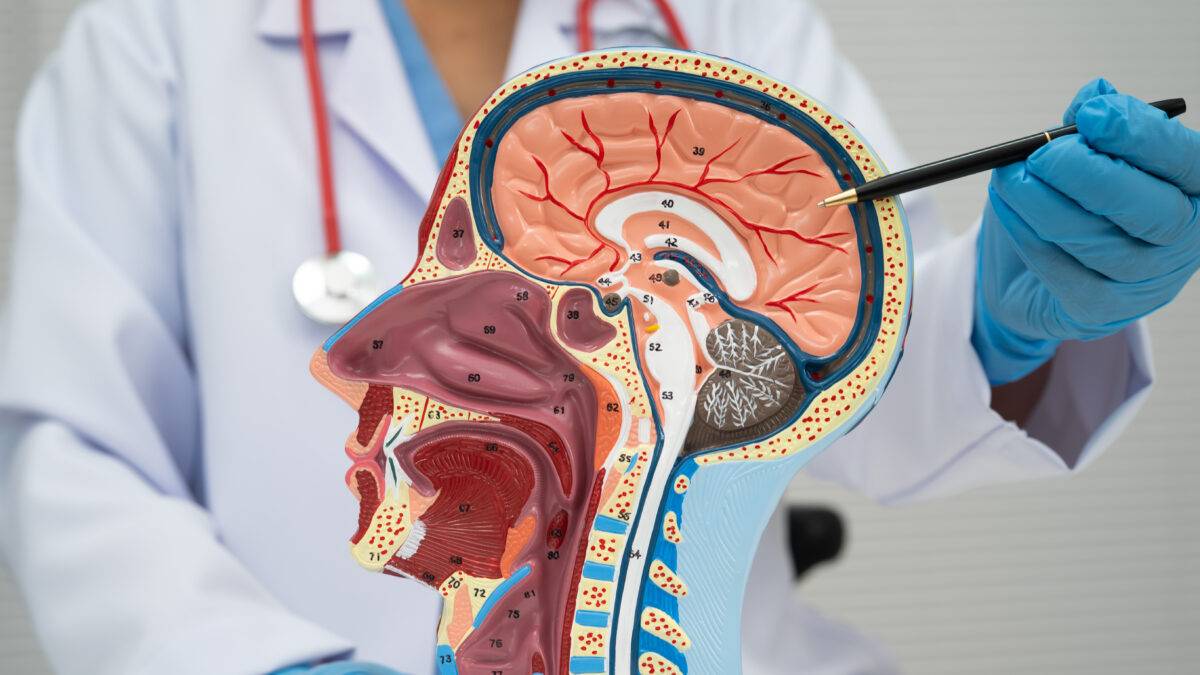
A stroke occurs when the blood supply to part of the brain is interrupted or when a blood vessel in the brain bursts. Without an adequate supply of oxygen and nutrients, brain cells begin to die.
There are two main types of strokes. An ischaemic stroke occurs when a blood clot blocks a blood vessel supplying the brain. A haemorrhagic stroke occurs when a blood vessel ruptures and causes bleeding in or around the brain.
Although the causes differ, both are medical emergencies. The sooner a person experiencing a stroke receives appropriate treatment, the greater the opportunity to limit brain injury and disability.
This is why recognising the signs of a stroke matters. A person experiencing a stroke may not realise what is happening to them, particularly if the symptoms affect their speech, understanding or awareness. Someone nearby may be the first person to recognise that something is wrong.
Why Every Minute Matters during a Stroke
The brain needs a continuous supply of oxygen-rich blood to function. When blood flow is interrupted, brain cells begin to die within minutes.
The American Stroke Association estimates that, on average, 1.9 million brain cells die every minute while a stroke goes untreated. The longer treatment is delayed, the greater the potential for permanent brain injury and disability.
This does not mean that treatment is no longer useful after the first few minutes or hours. Some treatments can be given within specific time windows, and eligibility depends on factors such as the type of stroke, when symptoms began and the results of brain imaging. Some people may also be eligible for procedures to remove a clot from a blocked blood vessel.
The key message is simple: do not wait to see whether stroke symptoms improve. Seek emergency medical care immediately.
The FAST Test for A Stroke
The FAST test is a simple way to recognise some of the most common stroke symptoms.
F – Face
- Ask the person to smile.
- Does one side of their face droop? Does their smile appear uneven? Is one side of the face numb or difficult to move?
- Facial weakness or drooping can be a sign that a stroke is affecting the part of the brain responsible for movement.
- Remember that the person may not notice the change themselves. If you are with them, look at their face and compare both sides.
A – Arms
- Ask the person to raise both arms.
- Does one arm feel weak or numb? Does one arm drift downwards when they try to hold both arms up?
- Sudden weakness or numbness, particularly on one side of the body, is one of the important stroke warning signs.
- The weakness may affect an arm, a leg or the face. Even if the person can still move the affected limb, sudden weakness or loss of coordination should not be ignored.
S – Speech
- Ask the person to speak or repeat a simple sentence.
- Is their speech slurred? Are they struggling to find or form words? Do they seem unable to understand what you are saying? Does what they say sound unusual or confused?
- Sudden difficulty speaking or understanding speech can be a sign of a stroke.
- Do not assume that someone is simply tired, intoxicated or confused. If the change is sudden, treat it as a potential medical emergency.
T – Time
- Time is critical.
- If someone has any of these symptoms, seek emergency medical care immediately.
- Make a note of when the symptoms first appeared, or the last time the person was known to be well if you do not know exactly when the symptoms started. This information can be extremely important to the medical team when determining which treatments may be appropriate.
- Do not wait for the symptoms to disappear. Do not wait for the person to feel better. Act FAST.
BE FAST: Two More Stroke Warning Signs to Know
FAST remains a useful and memorable way to recognise a stroke, but you can expand it to BE FAST to include two additional warning signs: balance and eyes.
B – Balance
- Look for a sudden loss of balance or coordination.
- The person may suddenly become dizzy, unsteady or unable to walk normally. They may appear to stumble or have difficulty standing.
- Sudden dizziness or loss of balance can have many causes, but when it develops suddenly – particularly alongside another possible stroke symptom – it should be treated as an emergency.
E – Eyes
Look for sudden changes in vision. These may include blurred or double vision, difficulty seeing, or partial or complete loss of vision in one or both eyes.
Again, these symptoms can have causes other than a stroke. However, sudden vision changes should never simply be dismissed, particularly when they occur alongside other neurological symptoms.
The full B.E. FAST acronym is:
- B – Balance: sudden loss of balance or coordination
- E – Eyes: sudden changes in vision
- F – Face: facial drooping or weakness
- A – Arms: weakness or numbness in an arm
- S – Speech: difficulty speaking or understanding
- T – Time: seek emergency medical help immediately
The American Stroke Association and WHO both identify these symptoms among important signs of a stroke.
Other Stroke Symptoms to Recognise
Not every stroke presents in exactly the same way. Other sudden symptoms can include:
- Numbness or weakness of the face, arm or leg, particularly on one side
- Confusion or difficulty understanding others
- Difficulty speaking
- A severe headache with no known cause
- Difficulty walking or coordinating movements
- Sudden changes in vision
A person does not need to have every symptom for a stroke to be possible. Even one sudden stroke symptom is enough to seek emergency medical attention.
What To Do if Someone Is Having a Stroke
If you suspect that someone is having a stroke:
- Seek emergency medical help immediately
Contact your local emergency medical service and explain that you suspect the person is having a stroke.
- Note the time
Record when the symptoms first appeared, or when the person was last known to be well.
- Stay with the person
Keep them safe and as calm as possible while waiting for help.
- Do not give them food, drink or medication unless instructed by a healthcare professional
A stroke can affect swallowing, creating a risk of choking.
- Do not wait for symptoms to improve
Even if the symptoms disappear, urgent assessment is still necessary. A temporary episode may be a transient ischaemic attack (TIA), which can be a warning of a future stroke and requires medical assessment.
- Do not drive the person yourself if emergency medical transport is available
Emergency medical teams can begin assessment and care during transport and communicate with the receiving hospital, helping to speed up the stroke-care process.
What if the Symptoms Disappear?
It can be tempting to assume that the danger has passed if someone’s symptoms disappear after a few minutes.
It has not.
A transient ischaemic attack, or TIA, occurs when blood flow to part of the brain is temporarily disrupted. The symptoms may resolve, but a TIA can be a warning that a more serious stroke could occur.
For this reason, sudden neurological symptoms should receive urgent medical assessment even if the person appears completely normal again.
Can a Stroke Be Prevented?
Not every stroke can be prevented, but many of the major risk factors can be managed.
High blood pressure is one of the most important risk factors for strokes. Other factors include diabetes, high cholesterol, smoking or tobacco use, physical inactivity, an unhealthy diet, harmful alcohol use, obesity and certain heart conditions, including atrial fibrillation. Age, previous strokes and some other factors cannot be changed, but they can help healthcare professionals understand an individual’s overall risk.
Taking steps to manage these risks can reduce the likelihood of a stroke. This may include:
- Having your blood pressure checked regularly and treating hypertension if diagnosed
- Managing diabetes and blood glucose levels
- Checking and managing cholesterol
- Avoiding smoking and tobacco products
- Being physically active
- Eating a balanced diet that is not excessively high in salt
- Maintaining a healthy weight where appropriate
- Limiting harmful alcohol use
- Taking prescribed medication as directed
- Attending regular healthcare appointments
Prevention is not about achieving perfect health. It is about identifying your individual risk factors and addressing the ones that can be changed.
Why Recognising Stroke Symptoms Matters on World Stroke Day
World Stroke Day, observed every year on 29 October, provides an opportunity to remind communities that recognising stroke symptoms is something everyone can learn.
The World Stroke Organisation’s current campaign focuses on the importance of knowing the signs of a stroke and acting quickly. Its message is particularly relevant because a stroke can happen to anyone, and the person experiencing it may not be able to recognise or communicate what is happening.
Learning FAST takes seconds. Acting on what you recognise could make a lasting difference.
Conclusion
A stroke is a medical emergency, and recognising the warning signs quickly can help someone receive treatment sooner.
Remember FAST:
F – Face: Is one side of the face drooping?
A – Arms: Is one arm weak or numb?
S – Speech: Is speech slurred, confused or difficult to understand?
T – Time: Seek emergency medical care immediately.
For an even broader picture, remember BE FAST by adding sudden balance problems and eye or vision changes.
If you notice even one possible stroke symptom, do not wait to see if it gets better. Seek emergency medical care immediately and note when the symptoms began.
Every minute matters when a stroke is occurring. Knowing the signs today could help you recognise a stroke when someone needs you to act.
Frequently Asked Questions
- What is the FAST test for a stroke?
The FAST test is a simple way to recognise common stroke symptoms. F stands for face, A for arms, S for speech and T for time. If someone suddenly develops facial drooping, arm weakness or speech difficulty, seek emergency medical help immediately.
- What are the most common signs of a stroke?
Common signs include sudden facial drooping, weakness or numbness in an arm or leg, difficulty speaking or understanding speech, sudden vision problems and loss of balance or coordination. A sudden severe headache without a known cause can also occur.
- Can a stroke happen without warning?
Yes. Stroke symptoms can develop suddenly, and some people have no obvious warning beforehand. This is why knowing the signs and recognising sudden changes in someone’s face, movement, speech, balance or vision is so important.
- What should I do if stroke symptoms go away?
Seek urgent medical attention even if the symptoms have disappeared. Temporary stroke-like symptoms can be caused by a transient ischaemic attack (TIA), which can indicate an increased risk of a future stroke.
- How quickly should someone with a suspected stroke receive treatment?
As quickly as possible. A stroke is a medical emergency, and earlier treatment can reduce brain injury and improve outcomes. Some treatments are most effective when given within specific time windows, while other treatments may be appropriate for selected patients based on imaging and other clinical factors.
- What causes a stroke?
A stroke occurs when blood flow to part of the brain is blocked, usually by a clot, or when a blood vessel in the brain ruptures. High blood pressure, diabetes, high cholesterol, tobacco use, physical inactivity, unhealthy diet, harmful alcohol use and certain heart conditions can increase the risk of a stroke.
- Can you prevent a stroke?
Many strokes can be prevented by addressing modifiable risk factors. Managing blood pressure, diabetes and cholesterol, avoiding tobacco, staying physically active, eating a balanced diet, maintaining a healthy weight and limiting harmful alcohol use can all help reduce stroke risk.
- Is a stroke the same as a heart attack?
No. Both are medical emergencies caused by problems with blood flow, but they affect different organs. A stroke affects the brain, while a heart attack occurs when blood flow to part of the heart is blocked. Both require immediate medical attention.
If you would like to learn more about strokes, risk factors and how to make lifestyle adjustments to prevent them from occurring, book a consultation with a Lenmed general practitioner or family physician who can guide you further.
For more information, please contact:
Dr M Khan
Discipline: Neurologist
Hospital: Ethekwini Hospital and Heart Centre
Telephone: +27 31 581 2366
Email: theneurologist@hotmail.com




Mackenzie Reichhardt