

Bokamoso Private Hospital Performs Botswana’s First Transcatheter Aortic Valve Implantation (TAVI)
December 5, 2025
Holistic Healthcare: Complete Wellness Guide for Body, Mind & Soul
December 9, 2025
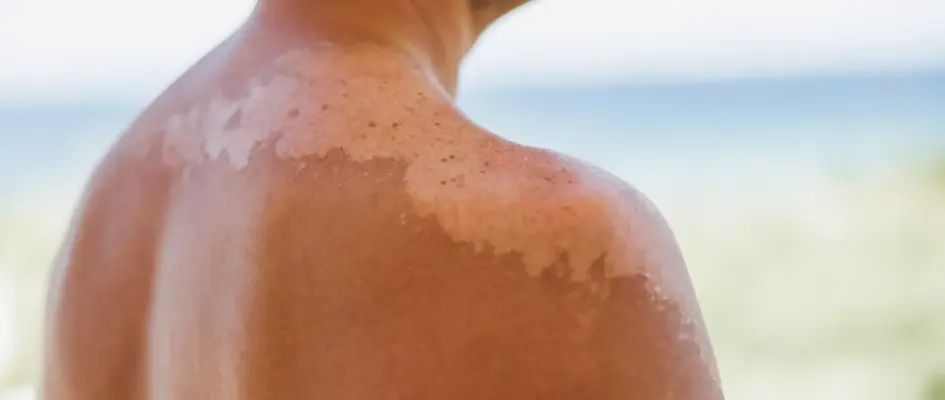
The Long-Term Effects of Sun Exposure on Your Skin: Prevention and Treatment Guide
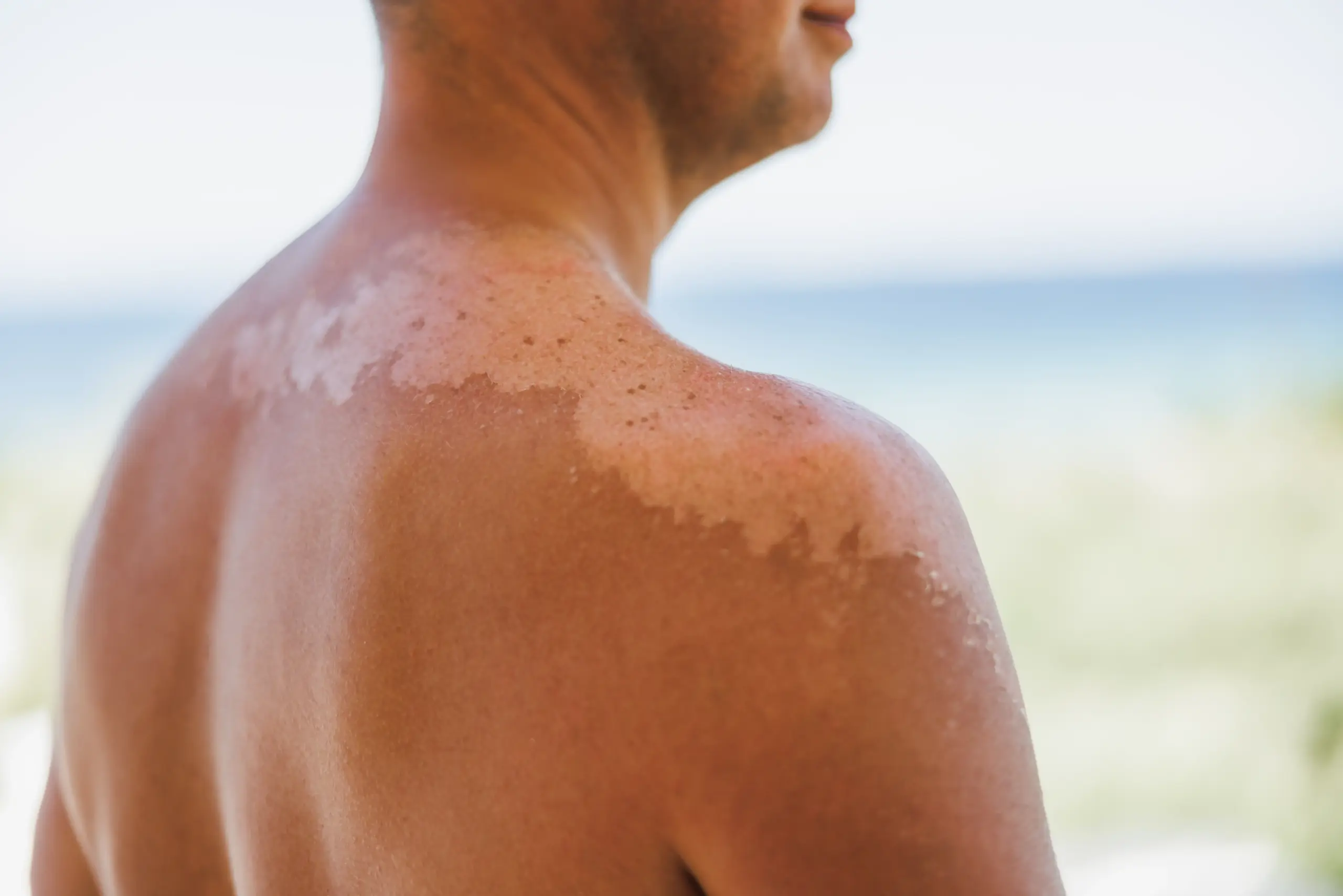
In South Africa, sunshine is part of daily life – especially during the spring and summer seasons. From morning commutes under cloudless skies to long weekends spent outdoors by the braai, our exposure to the sun is near-constant. However, while sunlight is essential for vitamin D production and mental well-being, long-term exposure to ultraviolet (UV) radiation is one of the primary causes of premature skin ageing, pigmentation and in some cases, skin cancer.
This guide explores how the sun affects your skin over time, what warning signs to look for and which prevention and treatment strategies can help you protect and repair your skin health effectively.
Understanding Sun Exposure and UV Damage
Sunlight contains two main types of ultraviolet rays that affect the skin: UVA and UVB. UVA rays penetrate deeply, breaking down collagen and elastin – the proteins that keep skin firm and supple. UVB rays primarily damage the outer layer of the skin, causing sunburn and DNA changes that can lead to skin cancer over time.
Long-term effects of sun exposure on skin include:
- Premature ageing (photoageing): Fine lines, wrinkles, sagging and leathery texture.
- Pigmentation changes: Uneven skin tone, sun spots, freckles and melasma.
- Loss of elasticity: Reduced collagen leads to thinner, more fragile skin.
- Capillary damage: Broken blood vessels, particularly around the nose and cheeks.
- Increased cancer risk: Repeated UV exposure increases the likelihood of basal cell carcinoma, squamous cell carcinoma and melanoma – all types of skin cancer.
These changes develop gradually, often becoming visible years after cumulative exposure – a reminder that sun damage is both cumulative and preventable.
How UV Radiation Accelerates Skin Ageing
UV radiation triggers the production of free radicals – unstable molecules that attack skin cells, collagen and DNA. Over time, this process, known as oxidative stress, accelerates visible ageing. The condition commonly referred to as photoageing can cause deep wrinkles, roughness and pigmentation irregularities long before they would otherwise appear.
While ageing is a natural process, photoageing accounts for up to 80% of visible ageing in sun-exposed areas, such as the face, neck, arms and hands.
Collagen breakdown from UV damage also leads to reduced skin firmness. In lighter skin tones, this often manifests as fine lines and sun spots. In darker skin tones, as uneven pigmentation or dullness.
Early Signs of Sun-Damaged Skin
Sun damage develops silently for years before symptoms appear. Some of the early signs to watch for include:
- Persistent dryness or rough patches.
- Uneven pigmentation or new freckles.
- Fine lines around the eyes, lips and forehead.
- Skin that bruises or tears easily.
- Areas of thickened, leathery texture.
In more advanced stages, actinic keratoses (rough, scaly patches) may form – these can sometimes progress to skin cancer if untreated. Regular dermatological check-ups can help detect and treat such lesions early.
Skin Cancer and the South African Sun
According to the Cancer Association of South Africa (CANSA), South Africa has some of the highest levels of UV radiation in the world, making sun protection vital for everyone, regardless of skin tone.
Prolonged UV exposure can cause DNA mutations that trigger skin cancers such as:
- Basal cell carcinoma (BCC): Slow-growing and often appears as a shiny bump or sore that doesn’t heal.
- Squamous cell carcinoma (SCC): May appear as a red, scaly patch or lump that bleeds or crusts.
- Melanoma: The most dangerous form, typically presenting as an irregular or changing mole.
Early detection saves lives. Annual skin screenings and self-checks are essential, especially for those with a history of sunburn or excessive sun exposure.
Sun Damage across Different Skin Tones
There is a common misconception that darker skin tones are immune to sun damage. While melanin offers some natural protection by filtering UV rays, it does not eliminate the risk.
- Lighter skin types (Fitzpatrick I–III): Burn easily and show visible sun damage earlier.
- Medium to dark skin types (Fitzpatrick IV–VI): Less likely to burn, but still susceptible to pigmentation issues, uneven tone and late-detected skin cancers, which may appear on areas like palms, soles or under the nails.
In South Africa’s diverse population, it is important that sun protection is practised universally, with sunscreen use encouraged across all ethnicities.
Prevention: How to Protect Your Skin from the Sun
- Daily Sunscreen Use
Sunscreen is your first and most effective line of defence. Dermatologists recommend using a broad-spectrum sunscreen with SPF 30 or higher, even on cloudy days. For outdoor activities, SPF 50 is preferable. Reapply every two hours and more often if swimming or sweating.
Look for sunscreens suited to your skin type – lighter, gel-based formulas for oily skin or mineral-based options for sensitive skin.
- Protective Clothing
Wide-brimmed hats, sunglasses with UV protection and long-sleeved clothing made from tightly woven fabrics can dramatically reduce sun exposure.
- Seek Shade
Avoid direct sunlight between 10:00 and 15:00, when UV intensity peaks. When outdoors, sit under umbrellas or in shaded areas.
- Be Cautious Around Reflective Surfaces
Water, sand and light-coloured surfaces reflect UV rays, increasing exposure even in shaded conditions.
- Stay Hydrated
Hydration supports skin barrier function and helps counteract the dehydrating effects of sun exposure.
Treatment Options for Sun-Damaged Skin
If you already have signs of sun damage, several dermatological and aesthetic treatments can help repair and rejuvenate the skin:
- Topical retinoids: Encourage cell turnover and collagen production.
- Chemical peels: Remove damaged surface layers and even out skin tone.
- Laser therapy: Reduces pigmentation, improves texture and stimulates collagen.
- Cryotherapy: Freezes and removes pre-cancerous lesions such as actinic keratoses.
- Photodynamic therapy (PDT): Targets early cancerous cells using light-activated medication.
Always consult a qualified dermatologist before beginning treatment, as suitability depends on your skin type, the severity of damage and your medical history.
Can Sun Damage Be Reversed?
While not all sun damage can be undone, consistent protection and care can significantly improve skin health. The skin has natural repair mechanisms that function best when shielded from further UV exposure.
For mild damage, adopting a preventative skincare routine – sunscreen, moisturisers with antioxidants and gentle exfoliation – can restore vibrancy. For more extensive damage, clinical intervention can be very effective, especially when paired with lifestyle changes such as improved nutrition and hydration.
Long-Term Skin Health: Preventing Today Can Protect Tomorrow
Healthy skin requires lifelong care. Establishing protective habits early ensures stronger, more resilient skin in later years.
Here are practical long-term sun protection habits for South Africans:
- Apply sunscreen daily, regardless of the weather.
- Keep a small tube of sunscreen in your bag or easily on hand.
- Check your skin monthly for new or changing moles.
- Visit a dermatologist at least once a year for a full-body skin check.
- Educate your family – sun protection should start from childhood.
Conclusion
The South African sun is both a gift and a risk. While it nurtures and energises, prolonged exposure silently damages the skin’s structure and increases the risk of serious health concerns like skin cancer. The good news is that much of this damage is preventable. With consistent sun protection, awareness and timely treatment, your skin can remain healthy, youthful and resilient for years to come.
Frequently Asked Questions
- What are the most serious long-term effects of sun exposure?
Prolonged sun exposure can lead to premature ageing, deep wrinkles, uneven pigmentation and increased risk of skin cancers, including melanoma.
- Can sun damage to the skin be reversed?
Mild sun damage can often be improved with skincare products containing retinoids, antioxidants and sunscreen. More advanced damage may require dermatological treatments such as chemical peels or laser therapy.
- How much sun exposure is safe without causing damage?
Even 10–15 minutes of unprotected exposure can cause harm over time, particularly during peak UV hours. Always wear sunscreen, regardless of exposure time.
- At what age do the effects of sun damage typically become visible?
Fine lines and pigmentation may appear as early as the late twenties or early thirties, depending on cumulative exposure.
- Is sun damage different for different skin types and ethnicities?
Yes. Lighter skin tones show damage sooner, while darker tones are more prone to pigmentation and delayed cancer detection.
- How effective is sunscreen in preventing long-term skin damage?
Very effective when used correctly. Daily application of broad-spectrum SPF 30 or higher reduces the risk of both photoageing and skin cancer.
- What are actinic keratoses, and should I be concerned?
Actinic keratoses are rough, scaly patches caused by UV damage. They can sometimes develop into squamous cell carcinoma if untreated, so they should always be checked by a doctor.
- Can indoor activities like driving or working near windows cause skin damage?
Yes. UVA rays penetrate glass, meaning sun protection is still necessary indoors or while driving during daylight hours.
If you are concerned about the health of your skin or the effects of sun exposure on it, book a consultation with a Lenmed dermatologist or speak to your Lenmed general practitioner or family physician, who will guide you further.
For more information, please contact:
Discipline: Dermatologist
Hospital: Maputo Private Hospital
Telephone: +258 84 095 7900
And
Discipline: Family Physician
Hospital: Bokamoso Private Hospital
Telephone: +267 369 4222




SEO