
Winter Immunity: Discover Natural Ways and Foods to Support Immune Function as Seasons Change
May 13, 2026
Wilmed Park Hospital and Heart Centre Expands First Advanced Cardiac and Vascular Centre of Excellence in North West
May 22, 2026
Understanding Foods That Raise Blood Pressure: A Guide to Mindful Eating and Healthy Moderation
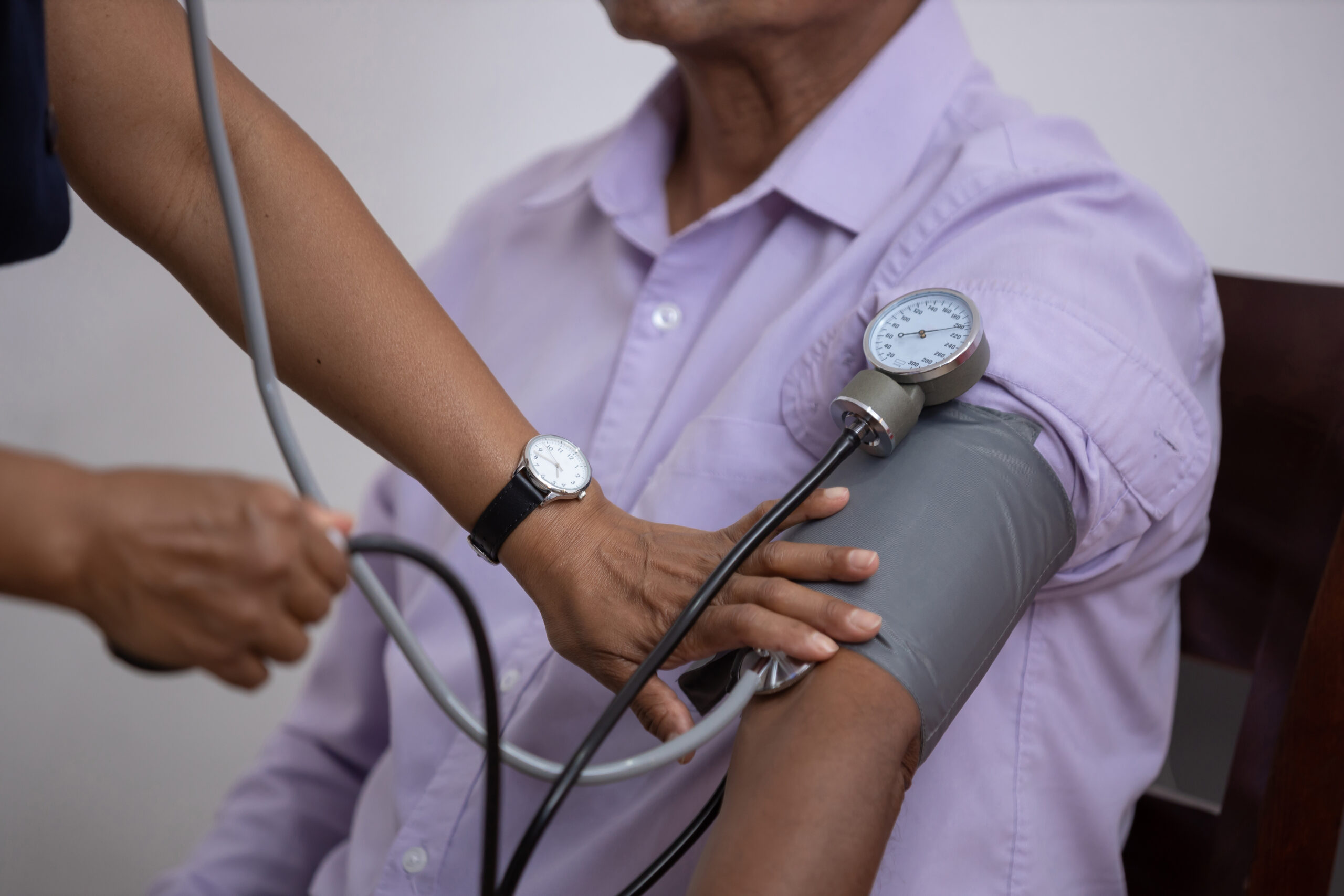
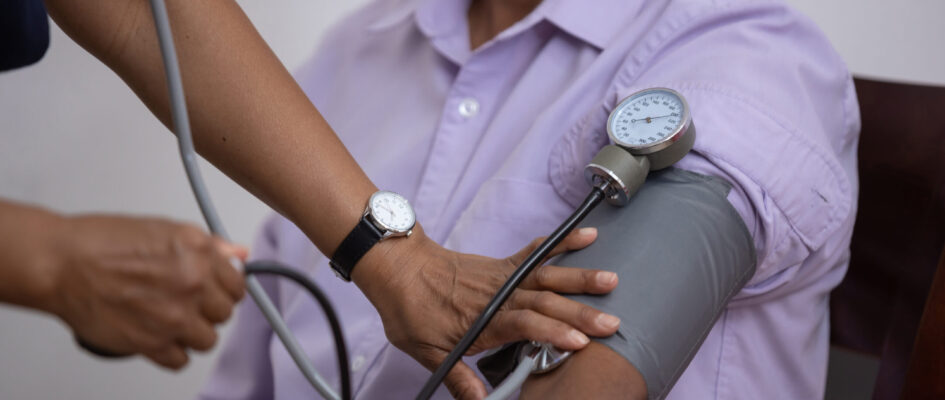
High blood pressure, or hypertension, is one of the most common health concerns affecting adults worldwide, including across Southern Africa. Often called the “silent condition” because it may not cause noticeable symptoms, uncontrolled blood pressure can increase the risk of heart disease, stroke and kidney problems over time.
One of the most important factors influencing blood pressure is diet. While medication and genetics play a role, everyday food choices can significantly impact how the body regulates blood pressure. The good news is that managing your diet does not mean giving up everything you enjoy. It’s about balance, awareness and making informed decisions.
Understanding which of the foods that raise blood pressure should be limited – and how to enjoy them responsibly – is key to building sustainable, heart-healthy diet choices.
How Food Affects Blood Pressure
Blood pressure is influenced by how much fluid is in your bloodstream and how easily your blood vessels can expand and contract. Certain foods, particularly those high in sodium, can cause the body to retain fluid, increasing pressure on blood vessel walls.
Over time, consistently consuming foods that increase blood pressure can contribute to long-term health risks. This is why dietary adjustments are often one of the first recommendations for managing hypertension.
A balanced blood pressure diet foods approach focuses not only on reducing harmful ingredients but also on incorporating nutrient-rich options that support overall heart health.
The Role of Sodium in Hypertension
Sodium plays a central role in blood pressure regulation. While the body needs a small amount of sodium to function properly, excessive intake can lead to fluid retention and increased blood pressure.
Many people consume far more sodium than recommended, often without realising it. This is because sodium is not only found in table salt but also hidden in a wide range of processed and packaged foods.
For individuals managing hypertension, reducing sodium intake is one of the most effective ways to support healthier blood pressure levels.
Foods That Commonly Raise Blood Pressure
Some foods are more likely to contribute to elevated blood pressure, particularly when consumed frequently or in large portions.
Processed and Packaged Foods
Processed foods are among the biggest contributors to high sodium intake. These include:
- Ready-made meals
- Packet soups
- Instant noodles
- Frozen foods
- Processed meats like sausages and polony
These are often listed among high-blood-pressure foods to avoid due to their high salt content and preservatives.
Salty Snacks
Chips, crackers and salted nuts are popular snack options, but they can significantly increase daily sodium intake.
Regular consumption of salty foods can lead to gradual increases in blood pressure, especially when portion sizes are not controlled.
Takeaways and Fast Food
Takeaway meals are convenient, but they are often high in salt, unhealthy fats and added sugars. Items such as burgers, fried chicken, pizzas and chips can contribute to elevated blood pressure when eaten frequently.
While it is possible to enjoy takeaways occasionally, moderation and mindful choices are essential.
Processed Meats
Processed meats such as bacon, ham and sausages are typically high in sodium and preservatives. These hypertension foods limit categories are often associated with increased cardiovascular risk when consumed regularly.
Sauces and Condiments
Many condiments contain hidden sodium, including:
- Soy sauce
- Tomato sauce
- Salad dressings
- Stock cubes
These are common foods that are bad for blood pressure when used excessively, even though they may seem harmless in small amounts.
Hidden Sources of Sodium
One of the biggest challenges in managing blood pressure is identifying hidden sodium in everyday foods.
Even items that do not taste salty can contain significant amounts of sodium, such as:
- Bread and baked goods
- Breakfast cereals
- Cheese
- Canned vegetables
Reading food labels and understanding sodium content is an important step in building awareness and making healthier choices.
Moderation: The Key to Sustainable Eating
Avoiding all high-sodium foods entirely is often unrealistic. Instead, focusing on moderation allows for a more balanced and sustainable approach to eating.
Moderation means:
- Limiting portion sizes
- Reducing frequency of high-sodium meals
- Balancing indulgent foods with healthier options
This approach supports long-term adherence to a blood pressure-friendly eating pattern without feeling overly restrictive.
How to Reduce Sodium without Losing Flavour
Lowering sodium does not mean sacrificing taste. There are several practical ways to reduce sodium while still enjoying your meals.
Use Herbs and Spices
Fresh herbs, garlic, ginger and spices can add flavour without increasing sodium levels.
Choose Fresh Over Processed
Preparing meals from scratch allows better control over ingredients and salt content.
Rinse Canned Foods
Rinsing canned beans or vegetables can help reduce sodium levels.
Limit Added Salt
Taste your food before adding salt and gradually reduce how much you use.
These simple changes can support efforts to reduce sodium blood pressure naturally.
Can You Still Enjoy Salty Foods?
Completely eliminating salty foods is not always necessary. Occasional indulgence can be part of a balanced diet when approached thoughtfully.
The key is to:
- Choose smaller portions
- Avoid combining multiple high-sodium foods in one meal
- Balance with low-sodium meals throughout the day
This approach helps maintain enjoyment while still supporting overall health.
How Quickly Do Foods Affect Blood Pressure?
High-sodium meals can cause temporary increases in blood pressure within hours, particularly in individuals who are sensitive to salt.
However, long-term dietary patterns have a greater impact on overall health. Consistently consuming high-sodium foods over time is more likely to contribute to sustained high blood pressure. This is why ongoing dietary habits matter more than occasional indulgences.
Building a Blood Pressure-Friendly Diet
A balanced diet that supports healthy blood pressure focuses on whole, nutrient-rich foods.
Examples of heart-healthy diet choices include:
- Fresh fruits and vegetables
- Whole grains
- Lean proteins such as fish and chicken
- Legumes and beans
- Low-fat dairy products
These foods provide essential nutrients such as potassium, fibre and antioxidants, which help support cardiovascular health.
Making Healthier Choices When Eating Out
Eating out does not have to derail your health goals. Small adjustments can make a meaningful difference.
Consider:
- Asking for sauces on the side
- Choosing grilled instead of fried options
- Avoiding extra salt or seasoning
- Sharing larger portions
Being mindful of choices helps reduce the impact of high-sodium meals.
Creating Long-Term Healthy Habits
Managing blood pressure is not about perfection – it is about consistency.
Small, realistic changes made over time can lead to lasting improvements. By understanding foods that raise blood pressure, identifying foods bad for blood pressure and adopting practical strategies, individuals can take control of their health in a sustainable way.
Conclusion
Diet plays a vital role in managing blood pressure, but it does not have to feel restrictive or overwhelming. With the right knowledge, it is possible to enjoy a wide variety of foods while still prioritising health.
By focusing on moderation, reducing sodium intake and choosing balanced meals, individuals can build a lifestyle that supports both well-being and enjoyment. A thoughtful approach to eating – one that embraces balance rather than restriction – is key to maintaining healthy blood pressure and long-term heart health.
Frequently Asked Questions
- Which specific foods are most likely to raise blood pressure?
The biggest culprits include processed meats (bacon, sausages, deli meats), canned soups and sauces, fast food, pickled foods, frozen meals, salted snacks and restaurant dishes. These foods are high in sodium, with some containing 50–80% of the daily recommended intake in a single serving. Reading labels and choosing lower-sodium alternatives can help you enjoy these foods occasionally whilst protecting your heart health. - How much sodium should I limit myself to daily if I have high blood pressure?
The American Heart Association recommends no more than 1 500 mg of sodium daily for people with high blood pressure, though many doctors suggest aiming for under 2 300 mg as a realistic starting goal. Average South Africans consume 3 000–4 000 mg daily, so gradually reducing intake by 500 mg every few weeks helps your taste buds adjust whilst improving blood pressure control. - Can I still enjoy my favourite salty foods if I have high blood pressure?
Yes, with mindful moderation and smart strategies. Enjoy high-sodium foods as occasional treats rather than daily staples, balance them with potassium-rich foods like bananas and leafy greens, drink extra water to help flush excess sodium and consider lower-sodium versions of favourite products. The key is portion control and frequency rather than complete elimination. - What are hidden sources of sodium that might surprise me?
Unexpected sodium sources include bread (200–400 mg per slice), breakfast cereals, cottage cheese, vegetable juices, condiments like soy sauce and salad dressings and even some medications. Sweet foods like biscuits and cakes also contain sodium from baking powder. Always read nutrition labels, as sodium appears in foods you wouldn’t expect to be salty. - How can I reduce sodium whilst still enjoying flavourful food?
Use herbs and spices instead of salt (garlic, rosemary, paprika, lemon juice), rinse canned beans and vegetables, choose fresh or frozen vegetables over canned, make homemade versions of soups and sauces and gradually reduce added salt to retrain your taste buds. Your palate adjusts within 2–3 weeks, making lower-sodium foods taste more satisfying. - How quickly do high-sodium foods affect my blood pressure?
Blood pressure can rise within hours of eating high-sodium meals, particularly in salt-sensitive individuals. The effect typically peaks 3–6 hours after eating and may last 24 hours or longer. Regular consumption of high-sodium foods leads to chronic elevation. However, your blood pressure can also improve relatively quickly when you reduce sodium intake consistently. - Are there any benefits to completely avoiding high-sodium foods?
While moderation is usually more sustainable than complete avoidance, some people with severe hypertension may benefit from stricter sodium restriction under medical supervision. Complete avoidance can lead to rapid blood pressure improvements but may be difficult to maintain long-term. Most people achieve good results with mindful reduction rather than elimination. - How do I balance enjoying social meals with managing my blood pressure?
Plan ahead by eating lighter, lower-sodium meals earlier in the day, ask for dressings and sauces on the side, share dishes to control portions, focus on conversation rather than just food and don’t stress about occasional indulgences. One high-sodium meal won’t cause permanent damage, but consistent choices make the biggest difference to your health.
If you are worried about your blood pressure, think you may be experiencing hypertension symptoms or would like to have an overall heart health screening, speak to a Lenmed general practitioner or family physician, or get a referral to a Lenmed cardiologist. Alternatively, you can make an appointment with a Lenmed dietician.
For more information, please contact:
Mariska Paton
Discipline: Registered Dietician
Hospital: Royal Hospital and Heart Centre
Telephone: 0538317914
Email: mariska@kbydieticians.co.za





Lauren Macindoe