

Find a Hospital
Find a Doctor
Patient Admissions
  • Home
  • About
  • Investors
    • Directors
    • Corporate Profile
    • Financials
    • Share Trading
  • Patient Information
    • Admission Procedures
    • Guides and Brochures
    • Health Advice
    • Lenmed Baby
    • Lenmed News
    • Me Time
    • Medical Aid Designated Service Providers
  • Hospitals
    • Specialised Departments
    • Acute Rehabilitation Centre
    • Ahmed Kathrada Private Hospital
    • Beira Private Hospital
    • Bokamoso Private Hospital
    • Daleside Day Hospital
    • Daxina Private Hospital
    • Ethekwini Hospital and Heart Centre
    • Howick Private Hospital
    • Kathu Private Hospital
    • La Verna Private Hospital
    • Maputo Private Hospital
    • MooiMed Private Hospital
    • Parkmed Neuro Clinic
    • Randfontein Private Hospital
    • Royal Hospital and Heart Centre
    • Shifa Private Hospital
    • Sunningdale Private Hospital
    • Wilmed Park Hospital and Heart Centre
    • Zamokuhle Private Hospital
  • Doctors Portal
    • Opportunities
    • News Portal
    • Get in touch
    • Clinician Portal
  • Nursing College
  • Medical Tourism
  • Careers
    • Vacancies
  • Contact
Find a Hospital
Find a Doctor
Patient Admissions
  • Home
  • About
  • Investors
    • Directors
    • Corporate Profile
    • Financials
    • Share Trading
  • Patient Information
    • Admission Procedures
    • Guides and Brochures
    • Health Advice
    • Lenmed Baby
    • Lenmed News
    • Me Time
    • Medical Aid Designated Service Providers
  • Hospitals
    • Specialised Departments
    • Acute Rehabilitation Centre
    • Ahmed Kathrada Private Hospital
    • Beira Private Hospital
    • Bokamoso Private Hospital
    • Daleside Day Hospital
    • Daxina Private Hospital
    • Ethekwini Hospital and Heart Centre
    • Howick Private Hospital
    • Kathu Private Hospital
    • La Verna Private Hospital
    • Maputo Private Hospital
    • MooiMed Private Hospital
    • Parkmed Neuro Clinic
    • Randfontein Private Hospital
    • Royal Hospital and Heart Centre
    • Shifa Private Hospital
    • Sunningdale Private Hospital
    • Wilmed Park Hospital and Heart Centre
    • Zamokuhle Private Hospital
  • Doctors Portal
    • Opportunities
    • News Portal
    • Get in touch
    • Clinician Portal
  • Nursing College
  • Medical Tourism
  • Careers
    • Vacancies
  • Contact
  • Home
  • About
  • Investors
    • Directors
    • Corporate Profile
    • Financials
    • Share Trading
  • Patient Information
    • Admission Procedures
    • Guides and Brochures
    • Health Advice
    • Lenmed Baby
    • Lenmed News
    • Me Time
    • Medical Aid Designated Service Providers
  • Hospitals
    • Specialised Departments
    • Acute Rehabilitation Centre
    • Ahmed Kathrada Private Hospital
    • Beira Private Hospital
    • Bokamoso Private Hospital
    • Daleside Day Hospital
    • Daxina Private Hospital
    • Ethekwini Hospital and Heart Centre
    • Howick Private Hospital
    • Kathu Private Hospital
    • La Verna Private Hospital
    • Maputo Private Hospital
    • MooiMed Private Hospital
    • Parkmed Neuro Clinic
    • Randfontein Private Hospital
    • Royal Hospital and Heart Centre
    • Shifa Private Hospital
    • Sunningdale Private Hospital
    • Wilmed Park Hospital and Heart Centre
    • Zamokuhle Private Hospital
  • Doctors Portal
    • Opportunities
    • News Portal
    • Get in touch
    • Clinician Portal
  • Nursing College
  • Medical Tourism
  • Careers
    • Vacancies
  • Contact
mens mental health matters
Men’s Mental Health Matters: Breaking the Silence and the Stigma
June 18, 2025

woman smiling with butterflies around her
Radiology vs. Radiation Therapy: Understanding the Key Differences in Careers and Practice
June 24, 2025


Understanding Heart Rhythm Disorders: Types, Symptoms and Treatments

Published by SEO on June 18, 2025
Categories
  • Health
  • Health Advice
  • Heart Health
Tags
  • #HealthyHeart
  • heart
Understanding Heart Rhythm Disorders- Types, Symptoms and Treatments

Understanding Heart Rhythm Disorders: Types, Symptoms and Treatments

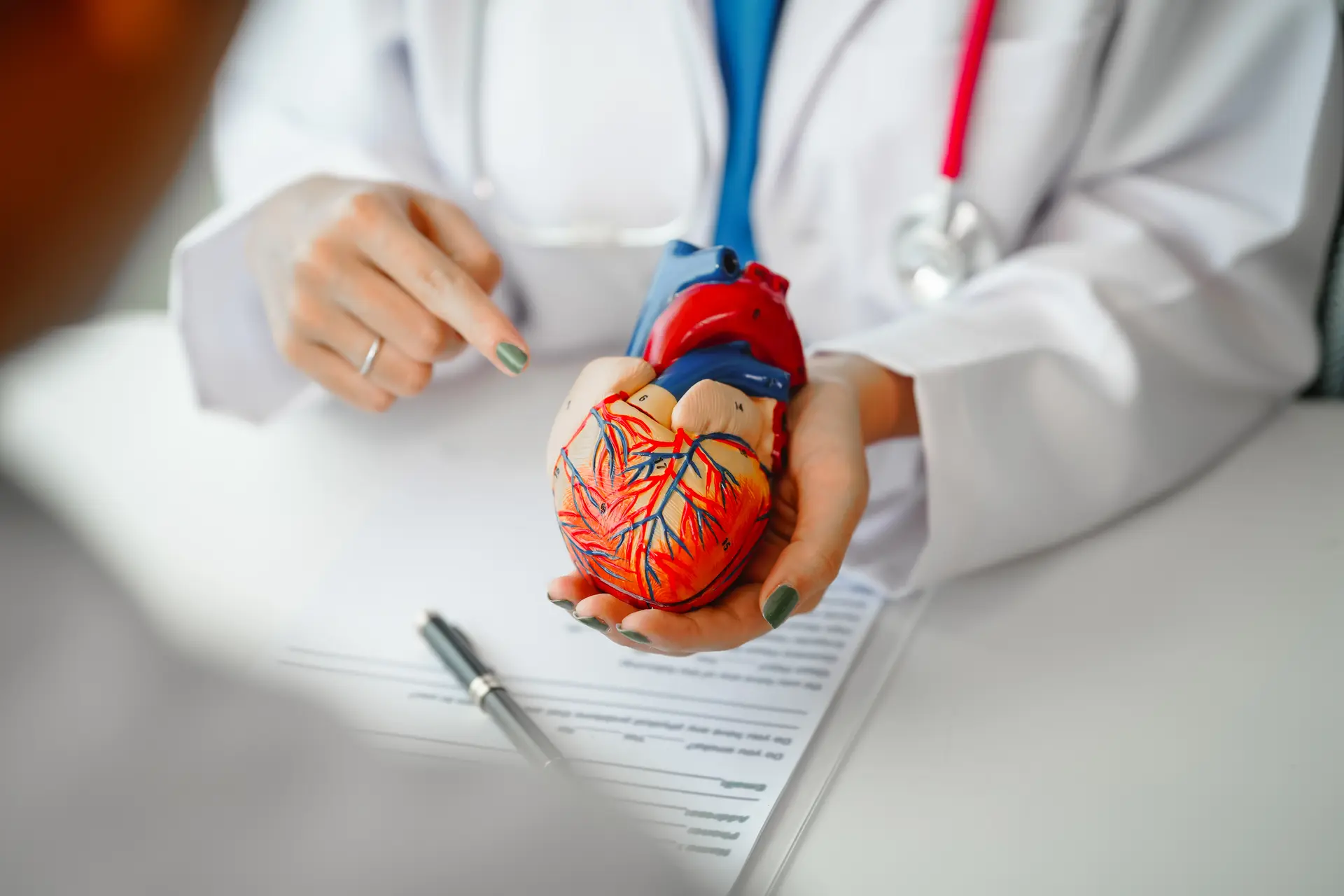
Heart rhythm disorders, or arrhythmias, occur when the electrical impulses that control the heart’s beats become irregular. This can cause the heart to beat too quickly, too slowly or erratically, affecting its ability to pump blood efficiently. While some arrhythmias are harmless and transient, others may lead to serious health complications, including strokes or sudden cardiac arrest. Understanding the symptoms, causes, types and treatments is crucial to managing this condition effectively.


What Is Arrhythmia?

The term “arrhythmia” broadly refers to any abnormal heartbeat. It includes a wide spectrum of conditions ranging from minor heart palpitations to life-threatening electrical malfunctions in the heart. The normal heartbeat is governed by the sinoatrial (SA) node, often referred to as the heart’s natural pacemaker. When the signals from the SA node are disrupted, slowed or redirected improperly, arrhythmias can occur. So, what is arrhythmia? Simply put, it is a disruption in the rhythm of the heartbeat.


Causes of an Irregular Heartbeat

The causes of arrhythmia vary. They can stem from structural heart abnormalities, high blood pressure, coronary artery disease or heart valve disorders. Electrolyte imbalances, particularly involving potassium, sodium, calcium and magnesium, can interfere with electrical impulses. Certain medications, including some over-the-counter cold remedies and anti-depressants, are also known to cause arrhythmias.

Lifestyle and environmental factors, such as smoking, heavy alcohol use, excessive caffeine intake, recreational drug use and chronic stress, can contribute to the development of heart rhythm disorders. Furthermore, stress and anxiety can provoke arrhythmias by activating the body’s “fight-or-flight” response and releasing adrenaline, which affects the heart’s electrical activity.


Are All Heart Rhythm Disorders Serious?

Not all arrhythmias are dangerous. Many people experience the occasional skipped or extra beat, often without any lasting impact. However, some arrhythmias can increase the risk of blood clots, strokes or even sudden cardiac arrest. The seriousness depends on the type of arrhythmia, its frequency and whether it affects blood flow.


Types of Arrhythmia

Understanding the types of arrhythmia is key to recognising symptoms and risks. Arrhythmias are typically classified by the speed of the heartbeat and the part of the heart where the abnormal rhythm originates.


1. Bradycardia (slow heart rate)

Bradycardia occurs when the heart rate falls below 60 beats per minute. For some individuals, especially athletes, this is normal and harmless. But in others, bradycardia can result from taking certain medications – such as calcium channel blockers, beta blockers, other antiarrhythmics, lithium and some antidepressants – ageing, heart disease or damage to the heart’s electrical system. Symptoms include fatigue, dizziness, shortness of breath and fainting spells and heart dysfunction.


2. Tachycardia (racing heart)

Tachycardia refers to a heart rate above 100 beats per minute. This fast rhythm can originate in either the atria or ventricles. If the heart beats too quickly, it cannot effectively pump blood to the body, which may lead to chest pain, light-headedness or collapse.


3. Atrial fibrillation (AFib)

One of the most common arrhythmias, AFib causes a chaotic rhythm in the atria (upper chambers). It results in poor blood flow and can lead to clot formation, significantly increasing the risk of stroke. AFib may present with palpitations, weakness and shortness of breath.


4. Atrial flutter

Similar to AFib but more organised, atrial flutter involves a rapid but regular heartbeat in the atria. It can also increase the risk of stroke and typically occurs in individuals with heart disease or after heart surgery.


5. Ventricular tachycardia (VT)

VT is a rapid heartbeat originating from the ventricles (lower chambers). It may prevent the heart from pumping efficiently, leading to dizziness, chest pain, arrhythmia symptoms or collapse. Sustained VT requires urgent medical attention.


6. Ventricular fibrillation (VF) 

VF is the most dangerous form of arrhythmia, marked by disorganised electrical signals in the ventricles. The heart quivers instead of pumping, causing immediate loss of consciousness. Without prompt defibrillation, VF is usually fatal.


7. Premature contractions

These are extra beats that can start in either the atria or ventricles. Though common and often harmless, frequent premature beats can lead to more serious arrhythmias if left unchecked.


How Common Are Heart Rhythm Disorders?

Heart rhythm disorders affect millions of people worldwide. The likelihood increases with age, particularly over the age of 60. Arrhythmias are more prevalent in people with existing heart and lung conditions, diabetes or high blood pressure, but they can also occur in otherwise healthy individuals.


Symptoms to Watch For

Symptoms vary depending on the type and severity of the arrhythmia. Common indicators include:

  • Heart palpitations or fluttering sensations
  • Dizziness and heart palpitations
  • Fainting spells
  • Shortness of breath
  • Chest discomfort or pressure
  • Fatigue or weakness


Not all arrhythmias cause noticeable symptoms, making regular check-ups important, especially if you have risk factors.


Diagnosis: What Tests Are Involved?

Diagnosing an arrhythmia involves assessing your symptoms, medical history and conducting tests such as:

  • Electrocardiogram (ECG): Measures the heart’s electrical signals.
  • Holter monitor: A portable ECG worn for 24–48 hours to capture irregular rhythms.
  • Event monitor: Activated by the patient during symptoms.
  • Echocardiogram: An ultrasound to check heart structure and function.
  • Stress test: Measures how the heart performs during exercise.
  • Electrophysiology study: An invasive test that maps electrical pathways in the heart.


Treatment Options

Treatment depends on the arrhythmia’s type, severity and underlying cause. Approaches include:


1. Medications

Anti-arrhythmic drugs can help normalise rhythm. Beta-blockers and calcium channel blockers control heart rate, while anticoagulants may be prescribed for stroke prevention in cases like AFib.


2. Lifestyle adjustments

Limiting caffeine and alcohol, quitting smoking, managing stress and maintaining a healthy weight are crucial for long-term management.


3. Medical procedures

  • Cardioversion: Uses electric shocks or medication to restore normal rhythm.
  • Catheter ablation: Destroys small areas of heart tissue responsible for abnormal rhythms.
  • Pacemaker implantation: For slow heart rates, this device regulates heartbeat.
  • Implantable cardioverter-defibrillator (ICD): For patients at risk of sudden cardiac arrest, the ICD delivers shocks to restore rhythm.


Lifestyle Changes and Prevention Strategies

Healthy habits can greatly reduce the risk of developing arrhythmias or prevent existing ones from worsening. These include:


  • Balanced diet: Focus on heart-healthy foods, low in saturated fats and sodium.
  • Regular physical activity: At least 150 minutes of moderate exercise weekly.
  • Sleep hygiene: Poor sleep is linked to higher arrhythmia risk.
  • Stress reduction: Meditation, therapy, or breathwork can support cardiac rhythm.
  • Routine check-ups: Monitor blood pressure, cholesterol and heart health regularly.


Living with Arrhythmia: A Patient-Centred Perspective

Living with a cardiac arrhythmia requires adjustments, but with the right support, most people can lead fulfilling lives. It’s important to understand your condition, follow your treatment plan and communicate with your healthcare team. Emotional well-being is also essential. Anxiety about episodes is common and should be addressed, often through counselling or support groups.

Informing loved ones about your condition ensures that they can support you effectively, especially if an emergency arises. Many patients find that wearing a medical ID bracelet offers peace of mind in public situations.


When to See a Doctor

If you experience consistent heart palpitations, unexplained dizziness, fainting, chest pain or shortness of breath, seek medical attention promptly. Even seemingly mild symptoms can indicate a more serious underlying condition.


When Is Arrhythmia an Emergency?

Seek immediate medical care if you experience:

  • Chest pain with arrhythmia symptoms
  • Sudden collapse or unconsciousness
  • Severe shortness of breath
  • Heart palpitations that last longer than a few minutes and are accompanied by other symptoms
  • Or have a family member who died suddenly at a young age

These could indicate life-threatening arrhythmias such as ventricular fibrillation or sustained ventricular tachycardia, which require immediate defibrillation or advanced cardiac life support.


Conclusion

Heart rhythm disorders may sound daunting, but modern medicine offers numerous tools for effective diagnosis, management and treatment. From occasional palpitations to chronic conditions like atrial fibrillation, understanding your heart’s rhythm is the first step towards a healthier, more secure life. By recognising symptoms early, making lifestyle changes and staying engaged in your treatment plan, you can manage your arrhythmia with confidence and clarity.

If you would like to speak to a professional about your or someone you love’s heart health, contact a Lenmed general practitioner or cardiologist today.


For more information, please contact:


Dr M Jansen Van Rensburg

Discipline: Specialist Physician

Hospital: Randfontein Private Hospital

Telephone: +27 (0) 87 087 2678


And 


Dr N Langa

Discipline: General Practitioner

Hospital: Maputo Private Hospital

Telephone: +258 84 095 7900

  • Find a Hospital
  • Find a Doctor
  • Find a Specialist Department
  • Health Advice
  • Lenmed News
  • Enquiries
  • Pharmaceutical Procurement
  • Annual Reports
hands holding red blood drop on gray backgrounds
CONTINUE READING >>

Blood Donation Awareness: Understanding Why Blood Donation Is Critical for Healthcare and Community

adult woman with cold using tissue indoors
CONTINUE READING >>

Cold & Flu: Complete Guide to Understanding the Difference between Cold and Flu Symptoms and Treatment

stressed woman with hands on temples at desk
CONTINUE READING >>

Critical Signs of Low Iron You Shouldn’t Ignore: Understanding Iron Deficiency Symptoms and Warning Signs

blood pressure being checked by health care provider
CONTINUE READING >>

Understanding Foods That Raise Blood Pressure: A Guide to Mindful Eating and Healthy Moderation

Find a Hospital
Find a Doctor
Patient Admissions

Lenmed Head Office

South Africa

Constantia Office Park, 2nd Floor, Building 9, Lakeview Ave, Weltevredenpark, Roodepoort, 1709

GPS: -26.1484132, 27.9270142

Dubai

Office 405 - North Tower, Emirates Financial Towers, DIFC, Dubai, UAE

GPS: 25.208798, 55.276486

Tel: +27 (0) 87 087 0600

Facebook Logo LinkedIn Logo Instagram Logo Twitter Logo
Acute Rehabilitation Centre
11 Riverhorse Road, Riverhorse Valley Business Estate, Durban
Tel:+27 (0)31 581 2400
Ahmed Kathrada Private Hospital
K43 Highway, Lenasia Ext 8, Johannesburg, Gauteng
Tel:+27 (0)87 087 0642
Beira Private Hospital
Estrada Carlos Pereira, Estoril, Beira
Tel:+258 8614 44453
Bokamoso Private Hospital
Plot 2435, Block 1, Mmopane, Along the Molepolole Road, Botswana
Tel:+267 369 4000
Daleside Day Hospital
12 Van Ryneveld Street, Wilkoppies, Klerksdorp
Tel:+27(0) 18 464 1009
Daxina Private Hospital
1682 Impala Street, Extension South, 1829, Lenasia, Johannesburg, Gauteng
Tel:+27 (0)87 087 0644
Ethekwini Hospital and Heart Centre
11 Riverhorse Drive, Riverhorse Valley Business Estate, Durban
Tel:+27(0) 31 581 2400
Howick Private Hospital
107 Main Street, Howick, 3290, KwaZulu Natal
Tel:+27 (0) 33 330 2456
Kathu Private Hospital
Frikkie Meyer Street, Kathu, 8446, Northern Cape
Tel:+27 (0)87 158 2700
La Verna Private Hospital
1 Convent Road, Ladysmith, 3370, KwaZulu Natal
Tel:+27 (0)87 087 2600
Maputo Private Hospital
Rua do Rio Inhamiara, Sommerschield II, Maputo, Mozambique
Tel:+258 84 095 7900 or +258 21 493 680
MooiMed Private Hospital
1 Chief Albert Luthuli Dr, Potchefstroom, 2531
Tel:+27(0)18 293 0802 or +27 083 591 3667
Parkmed Neuro Clinic
94 Arch Bishop Desmond Tutu St, Neserhof, Klerksdorp, 2571
Tel:+27 (0) 18 462 3072
Randfontein Private Hospital
Lister Road, Lower Ward, Street Extension, Randfontein, 1759, Gauteng
Tel:+27 (0)87 087 2700
Royal Hospital and Heart Centre
Cnr Welgevonden Street and Jacobus Smit Avenue, Royldene, Kimberley, Northern Cape
Tel:+27 (0)53 045 0350
Shifa Private Hospital
482 Randles Road, Durban, 4091
Tel:+27 (0)87 087 0641 | 031 240 5002
Sunningdale Private Hospital
12 Van Ryneveld Street, Wilkoppies, Klerksdorp
Tel:+27(0)18 462 7536
Wilmed Park Hospital and Heart Centre
Cnr Ametis & Marmer Street, Wilkoppies, 2571
Tel: +27 (0)18 468 7700
Zamokuhle Private Hospital
128 Flint Mazibuko Street, Hospital View, Tembisa, Gauteng
Tel:+27 (0)87 087 0643
Terms & Conditions | PAIA | Privacy Notice | Digital Service Policy
Share
0
SEO
SEO

Related posts

hands holding red blood drop on gray backgrounds
June 12, 2026

Blood Donation Awareness: Understanding Why Blood Donation Is Critical for Healthcare and Community


Read more
adult woman with cold using tissue indoors

Black single mother feeling sick and blowing nose while working at home.

June 12, 2026

Cold & Flu: Complete Guide to Understanding the Difference between Cold and Flu Symptoms and Treatment


Read more
stressed woman with hands on temples at desk

Stress, burnout and business black woman at night working on project, report and strategy deadline

June 12, 2026

Critical Signs of Low Iron You Shouldn’t Ignore: Understanding Iron Deficiency Symptoms and Warning Signs


Read more
We use cookies on our website to give you the most relevant experience by remembering your preferences and repeat visits. By clicking “Accept All”, you consent to the use of ALL the cookies. However, you may visit "Cookie Settings" to provide a controlled consent.
Cookie SettingsAccept
Manage consent

Privacy Overview

This website uses cookies to improve your experience while you navigate through the website. Out of these, the cookies that are categorized as necessary are stored on your browser as they are essential for the working of basic functionalities of the website. We also use third-party cookies that help us analyze and understand how you use this website. These cookies will be stored in your browser only with your consent. You also have the option to opt-out of these cookies. But opting out of some of these cookies may affect your browsing experience.
Necessary
Always Enabled
Necessary cookies are absolutely essential for the website to function properly. These cookies ensure basic functionalities and security features of the website, anonymously.
CookieDurationDescription
cookielawinfo-checkbox-analytics11 monthsThis cookie is set by GDPR Cookie Consent plugin. The cookie is used to store the user consent for the cookies in the category "Analytics".
cookielawinfo-checkbox-functional11 monthsThe cookie is set by GDPR cookie consent to record the user consent for the cookies in the category "Functional".
cookielawinfo-checkbox-necessary11 monthsThis cookie is set by GDPR Cookie Consent plugin. The cookies is used to store the user consent for the cookies in the category "Necessary".
cookielawinfo-checkbox-others11 monthsThis cookie is set by GDPR Cookie Consent plugin. The cookie is used to store the user consent for the cookies in the category "Other.
cookielawinfo-checkbox-performance11 monthsThis cookie is set by GDPR Cookie Consent plugin. The cookie is used to store the user consent for the cookies in the category "Performance".
viewed_cookie_policy11 monthsThe cookie is set by the GDPR Cookie Consent plugin and is used to store whether or not user has consented to the use of cookies. It does not store any personal data.
Functional
Functional cookies help to perform certain functionalities like sharing the content of the website on social media platforms, collect feedbacks, and other third-party features.
Performance
Performance cookies are used to understand and analyze the key performance indexes of the website which helps in delivering a better user experience for the visitors.
Analytics
Analytical cookies are used to understand how visitors interact with the website. These cookies help provide information on metrics the number of visitors, bounce rate, traffic source, etc.
Advertisement
Advertisement cookies are used to provide visitors with relevant ads and marketing campaigns. These cookies track visitors across websites and collect information to provide customized ads.
Others
Other uncategorized cookies are those that are being analyzed and have not been classified into a category as yet.
SAVE & ACCEPT