

Pregnancy Education: Everything You Need for a Healthy Pregnancy
February 11, 2026
Glaucoma Awareness: Understanding the Silent Threat to Your Vision
February 27, 2026
5 Signs You Should Test Your Hearing: Early Detection for Better Hearing Health
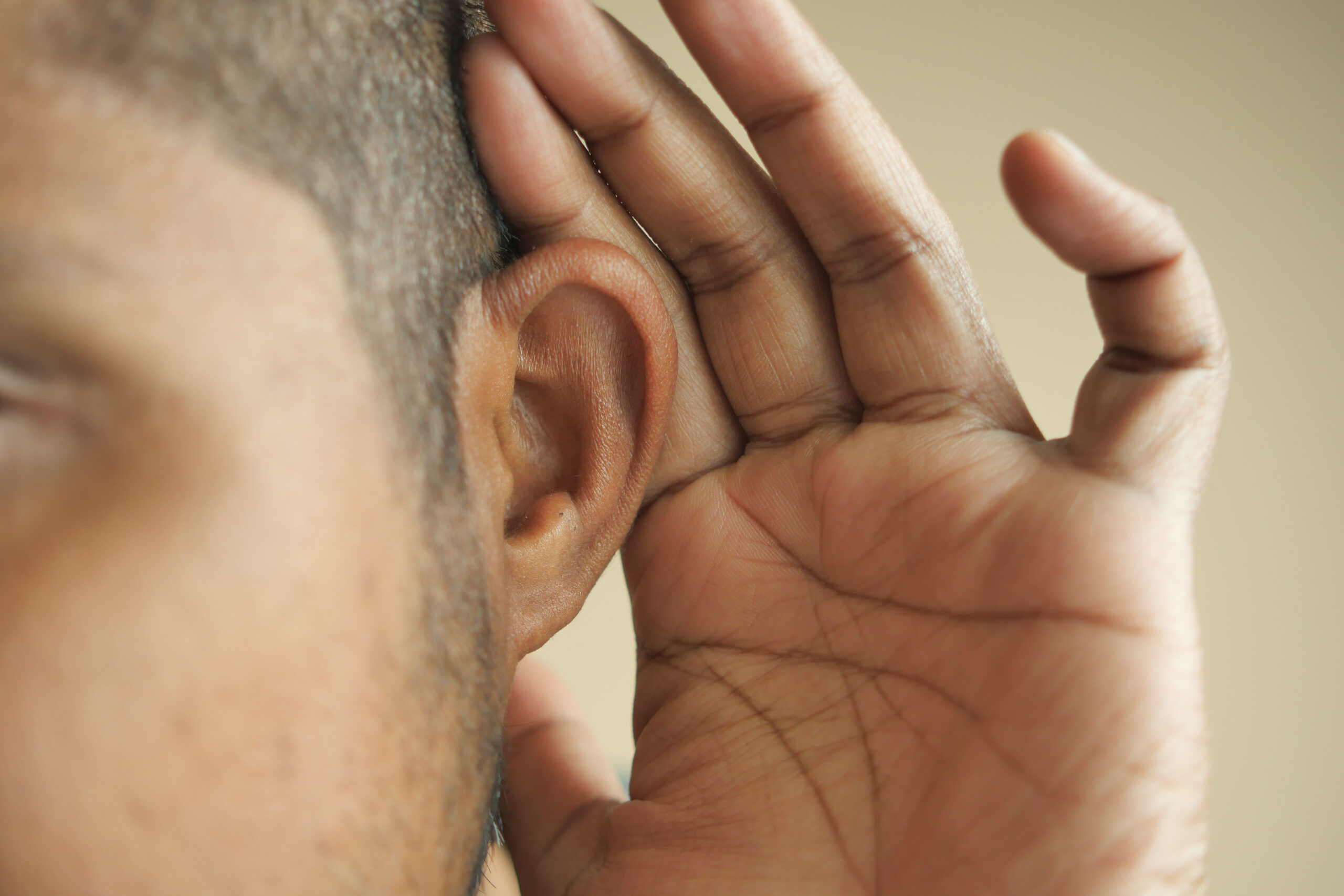
Hearing is one of our most vital senses, connecting us to the world around us, our loved ones and our environment. Yet, hearing loss often develops gradually, and many people don’t realise they have a problem until it significantly affects daily life. Whether due to ageing, noise exposure or other health factors, recognising early signs of hearing difficulties and understanding when to seek professional testing can make a meaningful difference in maintaining quality of life.
Why Hearing Health Matters
Hearing plays a crucial role in communication, social interaction and cognitive health. Untreated hearing loss can contribute to social isolation, frustration and even cognitive decline. Early detection through a hearing test allows individuals to explore solutions – such as hearing aids or assistive listening devices – that can improve understanding, confidence and overall well-being.
Age-related hearing loss, also known as presbycusis, is one of the most common types of hearing impairment. It typically affects both ears and develops gradually over time, making it easy to overlook. However, it’s important to recognise that hearing loss can occur at any age and may result from a combination of lifestyle, medical and environmental factors.
5 Signs You Should Get Your Hearing Tested
Below are five key indicators that it might be time to schedule a professional hearing exam.
1. Difficulty Understanding Conversations
One of the earliest and most noticeable signs of hearing loss is struggling to follow conversations, especially in noisy environments. If you frequently ask people to repeat themselves or rely on reading lips or context to understand what’s being said, it may indicate a reduction in your hearing ability.
This difficulty is often caused by high-frequency hearing loss, which affects your ability to hear consonants like “s”, “f” or “t”, making speech sound muffled. Over time, this can affect social interactions and make communication tiring and frustrating.
2. Frequently Increasing the Volume
If you find yourself constantly turning up the television, radio or phone volume higher than usual, this could be a sign that your hearing is not as sharp as it once was. Many people dismiss this as a personal preference, but it can be an early warning of mild hearing loss.
This behaviour may indicate that your ears are struggling to detect softer sounds,
particularly higher-pitched frequencies. Left unaddressed, it can also put additional strain on your ears and lead to listening fatigue.
3. Ringing or Buzzing in the Ears (Tinnitus)
Tinnitus, which is a condition in which individuals perceive ringing, buzzing or hissing sounds in the absence of external noise, is a common symptom associated with hearing problems. While it is not always linked to permanent hearing loss, tinnitus can signal damage to the inner ear, often from prolonged noise exposure, ear infections or age-related changes.
If tinnitus persists or worsens over time, it’s advisable to consult a healthcare professional. Early assessment can help identify underlying causes and provide strategies to manage or reduce the symptoms.
4. Trouble Hearing in Noisy Environments
Struggling to hear in crowded or busy places, such as restaurants or social gatherings, is a common sign of hearing loss. Even individuals with mild hearing reduction may find it challenging to filter out background noise, leading to frustration and social withdrawal.
This difficulty, often referred to as “speech-in-noise” hearing loss, may be caused by damage to the hair cells in the cochlea – the sensory cells responsible for detecting sound. A hearing test can identify the extent of the problem and guide the right intervention.
5. Experiencing Ear Fullness or Pressure
Feeling fullness or pressure in one or both ears may accompany hearing difficulties. This sensation can result from wax buildup, fluid in the middle ear or more complex inner ear issues. While sometimes temporary, persistent ear pressure should be evaluated to rule out underlying causes and prevent further hearing impairment.
Causes of Hearing Loss
Hearing loss can arise from multiple factors, ranging from natural ageing to environmental exposures:
- Age-related hearing loss (presbycusis): Gradual decline in hearing sensitivity, particularly for high-pitched sounds.
- Noise-induced hearing loss: Long-term exposure to loud music, machinery or environmental noise can damage the hair cells in the inner ear.
- Ear infections and blockages: Chronic ear infections, fluid buildup or impacted earwax can affect hearing temporarily or permanently if untreated.
- Medical conditions: Diabetes, cardiovascular disease and certain medications may increase the risk of hearing impairment.
- Genetic factors: Some individuals have a hereditary predisposition to hearing loss.
Understanding the cause can guide effective treatment and prevention strategies.
Age-Related Hearing Loss
Presbycusis is a natural part of ageing and affects many adults over the age of 60. It typically begins with difficulty hearing higher-pitched sounds and can gradually progress to a broader range of frequencies. Symptoms may include muffled speech, trouble distinguishing consonants and increased difficulty in noisy environments.
While age-related hearing loss cannot be fully reversed, early detection allows individuals to adapt through hearing aids, assistive listening devices and communication strategies. Regular hearing assessments from midlife onwards are recommended to monitor changes and maintain quality of life.
Prevention and Lifestyle Guidance
While not all hearing loss can be prevented, several measures can help protect your hearing:
- Limit exposure to loud sounds: Use ear protection when attending concerts, operating machinery or using power tools.
- Maintain cardiovascular health: Healthy blood flow supports ear function. As such, regular exercise and a balanced diet can help.
- Monitor medications: Certain drugs can affect hearing, so always discuss potential side effects with your doctor.
- Avoid inserting objects in the ear: Earbuds, cotton swabs or sharp objects can damage the delicate structures of the ear.
- Schedule regular hearing tests: Particularly after age 50 or if you have risk factors, routine screenings can detect changes early.
When to Seek a Hearing Test
You should consider a hearing assessment if you experience any of the five signs mentioned above or if hearing issues interfere with work, social interactions or safety. Sudden hearing loss, severe tinnitus or pain in the ear requires urgent medical attention.
Remember, not all hearing problems indicate a serious condition, and many causes are treatable or manageable. A professional evaluation is the safest way to identify the underlying issue and receive appropriate care.
Conclusion
Your hearing is vital to communication, relationships and overall well-being. Recognising the early signs of hearing loss – difficulty understanding conversations, needing higher volume, tinnitus, challenges in noisy environments or ear pressure – is the first step in maintaining good auditory health.
Causes of hearing loss can range from natural ageing and environmental exposure to medical conditions, making it important to stay vigilant and proactive. Regular hearing tests, healthy lifestyle choices and protective measures can significantly help preserve your hearing.
If you notice any changes in your hearing or have concerns about your ears, don’t put it off – schedule a hearing test. Early detection and intervention not only improve quality of life but can also prevent further deterioration and support long-term auditory health.
Frequently Asked Questions
- What are the early signs of hearing loss?
Early signs can be easy to miss. You may struggle to follow conversations, especially in noisy places, ask people to repeat themselves often or turn the television up louder than others prefer. Some people notice ringing in their ears or feel like others are mumbling.
- How do I know if I need a hearing test?
If hearing difficulties are affecting your daily life, work or relationships, it’s time for a hearing test. Any noticeable change in your hearing – whether gradual or sudden – should be checked by a healthcare professional.
- At what age should I start getting hearing tests?
Adults can consider a baseline hearing test in early adulthood, particularly if exposed to loud noise. From around midlife onwards, regular testing becomes more important as age-related hearing changes become more common.
- What happens during a hearing evaluation?
A hearing evaluation is simple and painless. You will wear headphones and listen to different tones and words, responding when you hear them. The results help determine whether hearing loss is present and how severe it may be.
- Can hearing loss be prevented or reversed?
Some types of hearing loss can be prevented by protecting your ears from loud noise and treating infections early. Age-related or long-term damage cannot usually be reversed, but treatment options such as hearing aids can greatly improve hearing ability.
- How often should adults get their hearing tested?
Adults with no symptoms may test every few years. Those over 50 or with risk factors such as noise exposure or chronic health conditions may benefit from more regular checks, as advised by a healthcare professional.
- What causes sudden hearing loss?
Sudden hearing loss can happen over hours or days and may be linked to infections, injury, circulation problems or other medical conditions. It requires urgent medical attention, as early treatment improves the chances of recovery.
- Are there different types of hearing tests?
Yes. Basic screening tests check general hearing ability, while more detailed tests assess how well you hear different tones and speech. Additional tests may be done to identify the type and cause of hearing loss.
- How much does a hearing test cost in South Africa?
Costs vary depending on whether testing is done in a public clinic or private facility. Some public services offer low-cost or free testing, and certain medical aid plans may cover part or all of the assessment. It’s best to confirm directly with the provider.
- What should I do if I think I have hearing loss?
Book a hearing test with a qualified healthcare professional or audiologist. Early assessment can identify the cause and guide appropriate treatment or support. If the hearing loss is sudden or accompanied by pain or dizziness, seek medical care promptly.
If you are concerned about your hearing or would simply like to get advice on your hearing health, contact a Lenmed audiologist.
For more information, please contact:
Mr T Mashike
Discipline: Audiologist & Speech Therapist
Hospital: Randfontein Private Hospital
Telephone: +27 87 087 8533





Jason