
5 Signs You Should Test Your Hearing: Early Detection for Better Hearing Health
February 27, 2026
Tuberculosis: Early Signs, Testing and Treatment – Your Complete Guide to TB Care
March 18, 2026
Glaucoma Awareness: Understanding the Silent Threat to Your Vision
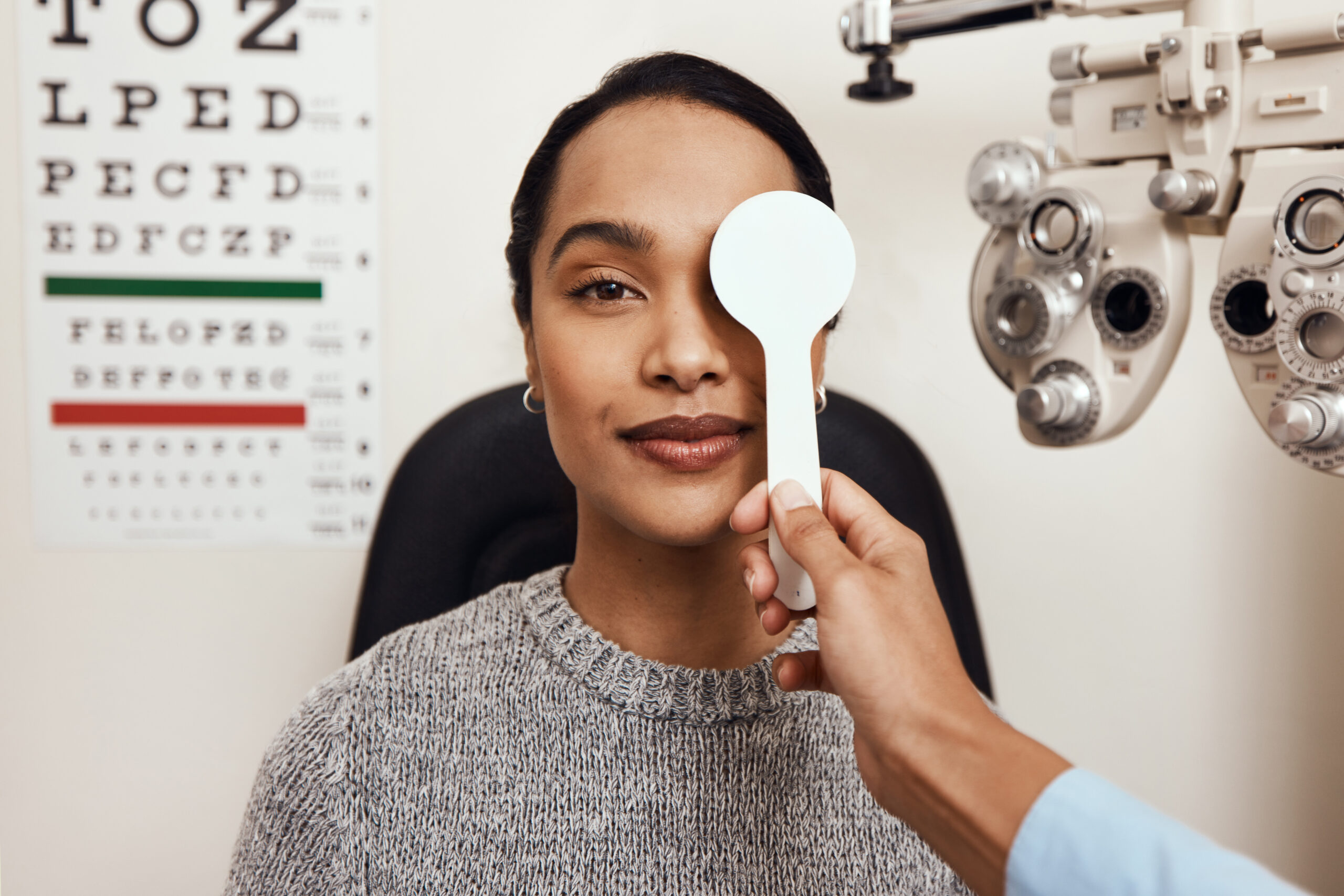
Glaucoma is often called the “silent thief of sight” because it develops gradually and painlessly, usually without noticeable symptoms until significant vision loss has occurred. It is one of the leading causes of irreversible blindness worldwide, but early detection and treatment can help preserve vision. Raising awareness about this condition, particularly during World Glaucoma Week, is crucial to protecting eye health.
What Is Glaucoma?
Glaucoma is a group of eye conditions that damage the optic nerve, the vital link between the eye and the brain. Most commonly, this damage is caused by increased intraocular pressure (IOP) – pressure within the eye – although glaucoma can also occur with normal eye pressure. Over time, optic nerve damage leads to loss of peripheral vision, which often goes unnoticed in the early stages.
Because vision loss from glaucoma is permanent, the condition is particularly concerning. However, with early detection through regular eye exams, progression can be slowed or halted, allowing individuals to maintain functional vision and quality of life.
Types of Glaucoma
Several types of glaucoma exist, each with distinct features:
Open-Angle Glaucoma
This is the most common form and develops slowly over time. The drainage canals of the eye become less efficient at draining fluid, gradually increasing eye pressure. Peripheral vision loss is usually the first sign, and central vision is typically preserved until later stages.
Angle-Closure Glaucoma
Angle-closure glaucoma occurs when the iris blocks the drainage angle in the eye, leading to sudden spikes in eye pressure. This form can cause severe eye pain, nausea, headaches and blurred vision, and is considered a medical emergency. Immediate treatment is necessary to prevent permanent vision loss.
Normal-Tension Glaucoma
Some individuals develop optic nerve damage even with normal eye pressure. The exact cause is unclear, but reduced blood flow to the optic nerve is believed to play a role. This type highlights the importance of comprehensive eye exams rather than relying solely on eye pressure measurements.
Secondary Glaucoma
Secondary glaucoma develops as a result of another eye condition, injury or medication use, such as long-term corticosteroid treatment. Identifying and managing the underlying cause is key to controlling the condition.
Who Is at Risk?
While anyone can develop glaucoma, certain factors increase the risk:
- Age: Individuals over 40 are at higher risk, with prevalence increasing with age.
- Family history: A first-degree relative with glaucoma significantly raises the likelihood of developing the condition.
- Ethnicity: People of African or Asian descent are more likely to develop open-angle glaucoma and often experience it at a younger age. They are also at higher risk for more severe vision loss if the condition is untreated.
- Medical conditions: Diabetes, high blood pressure and cardiovascular disease can contribute to glaucoma risk.
- Eye conditions: High myopia (severe nearsightedness), previous eye injuries or eye surgeries can increase susceptibility.
- Medication use: Long-term corticosteroid use may elevate eye pressure.
Recognising these risk factors is essential in identifying individuals who would benefit most from regular eye examinations.
Why Glaucoma Is Called the Silent Thief
The primary danger of glaucoma is its asymptomatic nature in the early stages. Peripheral vision is affected first, and many individuals are unaware of any vision changes until the disease has progressed significantly. By the time central vision is affected, irreversible damage may have already occurred.
Regular comprehensive eye exams – including measuring eye pressure, evaluating the optic nerve and testing visual fields – are the only reliable ways to detect glaucoma before noticeable vision loss. Early diagnosis allows for effective management and preservation of sight.
Symptoms to Watch For
While early glaucoma is often symptomless, some warning signs may indicate the presence of the condition or progression:
- Gradual loss of peripheral vision, often unnoticed until it is significant.
- Tunnel vision in advanced stages.
- Sudden eye pain or headache (angle-closure glaucoma).
- Blurred vision or seeing halos around lights.
- Nausea or vomiting with eye pain (angle-closure glaucoma).
Even if no symptoms are present, individuals with risk factors should undergo regular eye checks, as early detection is critical.
Prevention and Monitoring
Though glaucoma cannot always be prevented, certain steps can help maintain eye health and reduce risk:
- Routine eye exams: Adults over 40 should have a comprehensive eye examination every 1–2 years or more frequently if risk factors are present.
- Healthy lifestyle choices: Regular exercise, maintaining healthy blood pressure and managing diabetes can support eye health.
- Protect your eyes: Avoid eye injuries and follow an ophthalmologist’s guidance for managing conditions that may affect intraocular pressure.
- Medication adherence: If prescribed eye drops to manage pressure, consistent use is vital to prevent progression.
Diagnosis and Treatment
Glaucoma is diagnosed through a combination of tests, including:
- Tonometry: Measures intraocular pressure
- Ophthalmoscopy: Examines the optic nerve for damage
- Visual field testing: Detects peripheral vision loss
- Gonioscopy: Assesses the drainage angle of the eye
- Optical coherence tomography (OCT): Provides detailed imaging of the optic nerve
Treatment cannot reverse damage already done, but it can slow or stop further loss. Management may include:
- Eye drops: Reduce eye pressure or improve fluid drainage
- Oral medications: For patients who cannot manage pressure with eye drops alone
- Laser therapy: Opens drainage channels to lower eye pressure
- Surgery: Procedures such as trabeculectomy create new drainage pathways in severe cases
Regular follow-up is crucial to ensure treatment effectiveness and monitor for progression.
Living with Glaucoma
A glaucoma diagnosis does not mean immediate or complete vision loss. With early detection, adherence to treatment and routine monitoring, individuals can maintain functional vision for many years. Lifestyle adjustments, such as managing blood pressure and avoiding activities that strain the eyes, can complement medical management.
Support systems, including family awareness and vision aids, may also enhance daily living. Education about the condition empowers patients to actively participate in preserving their eyesight.
Conclusion
Glaucoma is a silent but serious eye condition that can lead to permanent vision loss if left undetected. Understanding risk factors – particularly age, family history and ethnicity – is essential in identifying who may be most vulnerable. Early detection through regular eye exams is the key to preserving vision, as symptoms often do not appear until damage is advanced.
While the condition cannot always be prevented, maintaining healthy habits, adhering to prescribed treatments and attending regular check-ups significantly improve outcomes. During World Glaucoma Week and beyond, raising awareness about the importance of eye health and proactive testing is vital in protecting vision for yourself and your loved ones.
Frequently Asked Questions
- Why is glaucoma called the “silent thief of sight”?
Because it usually develops slowly and without pain or early symptoms. Many people do not realise they have glaucoma until vision has already been damaged.
- What are the early warning signs of glaucoma?
In most cases, there are no early warning signs. Vision loss often starts at the edges (side vision) and happens gradually. Sudden eye pain, headache or blurred vision can occur in rare types and need urgent care.
- Who is most at risk of developing glaucoma?
Risk increases with age, especially over 40. People with a family history of glaucoma, individuals of African or Asian descent and those with diabetes, high blood pressure or past eye injuries have a higher risk.
- How often should I get my eyes tested for glaucoma?
Adults should have regular eye tests every one to two years. People at higher risk may need checks more often, as advised by their eye care professional.
- What’s the difference between open-angle and angle-closure glaucoma?
Open-angle glaucoma develops slowly over time and is the most common type. Angle-closure glaucoma happens suddenly when fluid cannot drain from the eye, causing pain and rapid vision problems. This is a medical emergency.
- Can glaucoma be prevented or cured?
Glaucoma cannot usually be prevented, and vision already lost cannot be restored. However, early treatment can slow or stop further damage and help protect remaining sight.
- What happens during a glaucoma eye exam?
The eye care professional checks your eye pressure, examines the optic nerve and may test your side vision. These tests are painless and help detect glaucoma early.
- How is glaucoma treated if detected early?
Treatment often starts with daily eye drops to lower eye pressure. Some people may need laser treatment or surgery to help protect their vision.
- Can you have glaucoma with normal eye pressure?
Yes. Some people develop glaucoma even when their eye pressure is within the normal range, which is why full eye exams are important.
- What lifestyle changes can help protect against glaucoma?
Regular exercise, managing blood pressure and diabetes, protecting your eyes from injury and attending routine eye exams can all support overall eye health.
If you are concerned about your vision, would like to arrange an eye exam or get advice, contact a Lenmed optometrist or ophthalmologist.
For more information, please contact:
Dr N Davey
Discipline: Ophthalmologist
Hospital: Howick Private Hospital
Telephone: 33 330 2244 / +27 36 637 6660
Email: info@midlandseye.co.za
And
Dr N Ally
Discipline: Ophthalmologist
Hospital: Daxina Private Hospital
Telephone: +27 87 284 0125
Email: naseerally@gmail.com




Jason