

Understanding Your Key Health Numbers: Blood Pressure, Blood Glucose, BMI and Waist Circumference
September 15, 2026
World Stroke Day: How to Use the FAST Test to Recognise a Stroke
October 1, 2026
Breast Cancer Awareness Month: Why Early Detection Matters
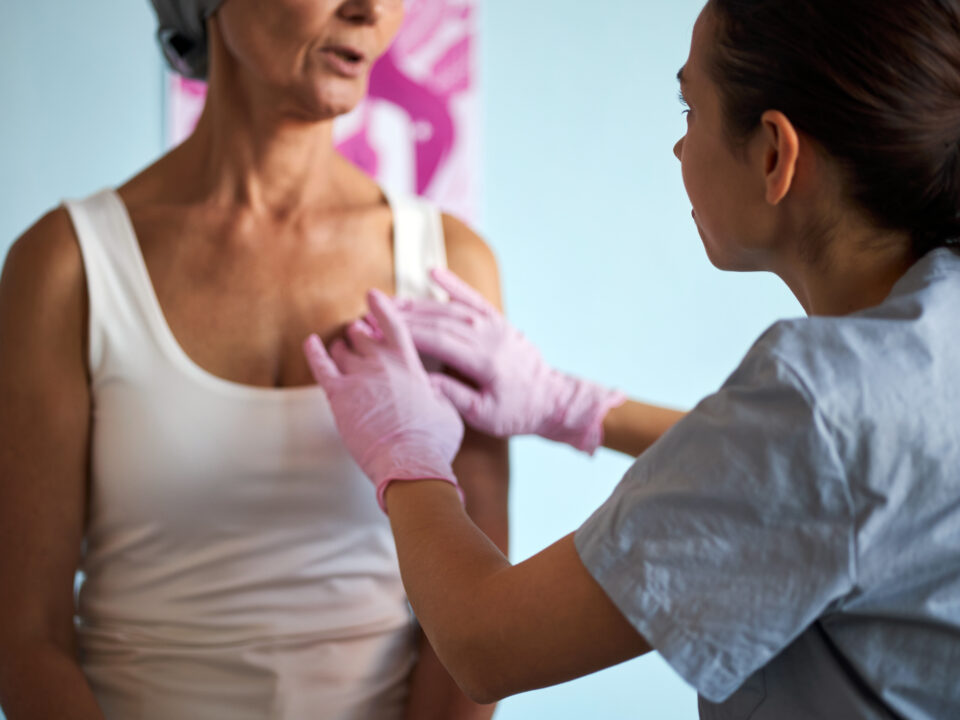
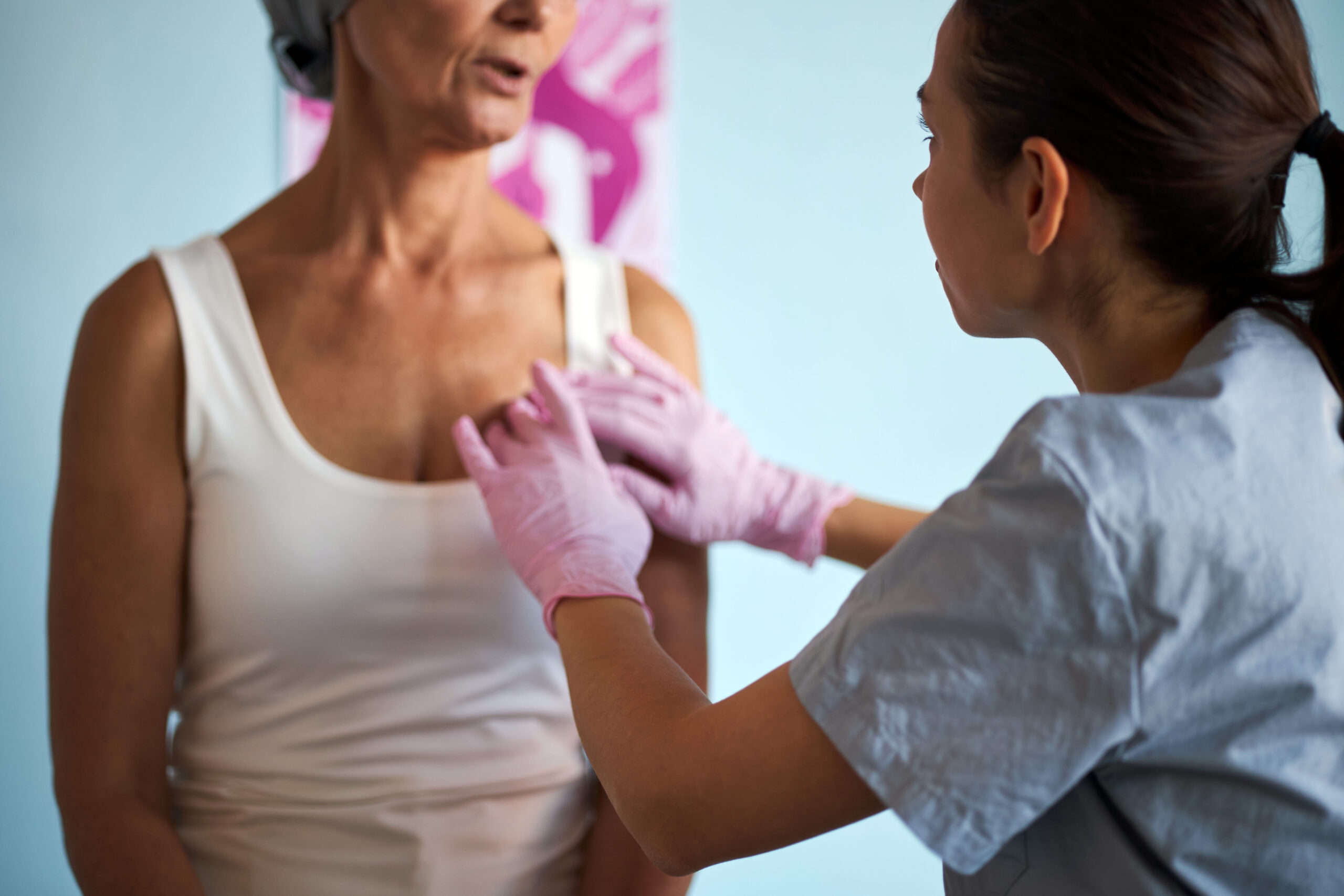
Every October, pink ribbons, awareness campaigns and conversations about breast cancer become more visible. But Breast Cancer Awareness Month is about more than wearing pink. It is an opportunity to understand why early detection matters, know what changes to look out for and make sure that breast health remains a priority throughout the year.
Breast cancer is the most commonly diagnosed cancer worldwide. In 2024, an estimated 2.4 million women were diagnosed with breast cancer globally, while approximately 694 000 women died from the disease. Breast cancer can affect women of any age after puberty, although the risk increases with age.
For women across Southern Africa, awareness needs to translate into action. Recognising a change, attending appropriate screening and seeking medical assessment when something is concerning can all contribute to finding breast cancer earlier, when treatment is more likely to be successful.
Why Does Early Detection Matter?
One of the most important things to understand about breast cancer is that it is not one single disease with one predictable outcome. Breast cancer can differ in its biological characteristics, how quickly it grows and how far it has spread when it is diagnosed.
The stage of breast cancer describes the extent of the disease. Broadly, breast cancer may be described as:
- Localised: The cancer is confined to the breast.
- Regional: The cancer has spread beyond the breast to nearby structures or lymph nodes.
- Distant: The cancer has spread to distant parts of the body, such as the bones, liver, lungs or brain.
The earlier breast cancer is detected, the greater the opportunity to diagnose and treat it before it has spread extensively. WHO identifies early detection, timely diagnosis and comprehensive treatment as three central pillars of improving breast cancer outcomes.
Survival statistics demonstrate why this matters. According to the US National Cancer Institute, the five-year relative survival rate for women with breast cancer diagnosed while the cancer remains localised is approximately 99.3%. This falls to approximately 86.3% when the cancer has spread to nearby structures or lymph nodes, and to approximately 31% when it has spread to distant parts of the body.
These figures are population statistics, not predictions for an individual woman. Breast cancer type, tumour characteristics, treatment and response to treatment can all affect an individual’s outcome.
There are also substantial differences in breast cancer survival between countries. WHO’s latest global estimates show a median five-year net survival of 77.8% worldwide, compared with 87.3% in high-income countries and 41.9% in low-income countries. WHO identifies late diagnosis and unequal access to timely diagnosis and treatment as important contributors to these differences.
This is why early detection is about more than simply finding cancer. It is about giving people the opportunity to access appropriate diagnosis and treatment as early as possible.
Know Your Breasts: Breast Awareness and Self-Detection
Knowing what is normal for your breasts can help you recognise when something has changed.
Breast awareness does not mean that you need to become an expert at diagnosing breast cancer. It simply means becoming familiar with how your breasts normally look and feel, so that you are more likely to notice something unusual.
You can do this as part of your normal routine, such as while bathing, getting dressed or applying body lotion. You may also choose to carry out a more deliberate self-examination regularly.
When checking your breasts, pay attention to:
- a new lump or thickening in the breast or underarm
- a change in the size or shape of a breast
- a change in the appearance or texture of the skin, including dimpling or puckering
- redness, swelling or a change in the skin around the nipple
- a nipple that becomes newly inverted
- unusual nipple discharge, particularly if it occurs without squeezing
- a persistent or unusual change that is different from what is normal for you.
Not every breast change is caused by cancer. Hormonal changes, benign breast conditions and other causes can produce lumps, pain or changes in breast tissue. However, a new or unusual change should not simply be ignored.
It is also important to understand the difference between breast awareness and breast cancer screening. Being familiar with your breasts can help you notice changes between screening appointments, but it does not replace recommended mammograms or medical assessment. Screening mammograms can detect some breast cancers before they cause noticeable symptoms.
When Should You See a Breast Specialist?
If you notice a new or unusual breast change, the most important thing is to have it assessed rather than trying to determine its cause yourself.
You can begin by speaking to your doctor or other appropriate healthcare professional. Depending on what is found, you may be referred to a breast specialist or breast surgeon for further assessment.
A specialist assessment may include a clinical examination and imaging such as a mammogram or ultrasound. If an area remains concerning after imaging or examination, a biopsy may be recommended. A biopsy involves taking a small sample of tissue for laboratory examination and is used to determine whether cancer cells are present.
A new lump does not automatically mean breast cancer. Many breast lumps and other breast changes are benign. The important point is that you cannot reliably determine the cause simply by looking at or feeling the change.
You should seek medical advice if you notice a new or persistent change, particularly a lump, skin change, nipple retraction, unusual discharge or swelling in the breast or underarm.
And importantly, do not wait for your next screening appointment if you develop a concerning symptom. Screening is intended to identify breast cancer in people who do not have symptoms. A new symptom requires appropriate medical assessment.
Breast Cancer Screening: What You Need to Know
Breast awareness and screening work alongside one another.
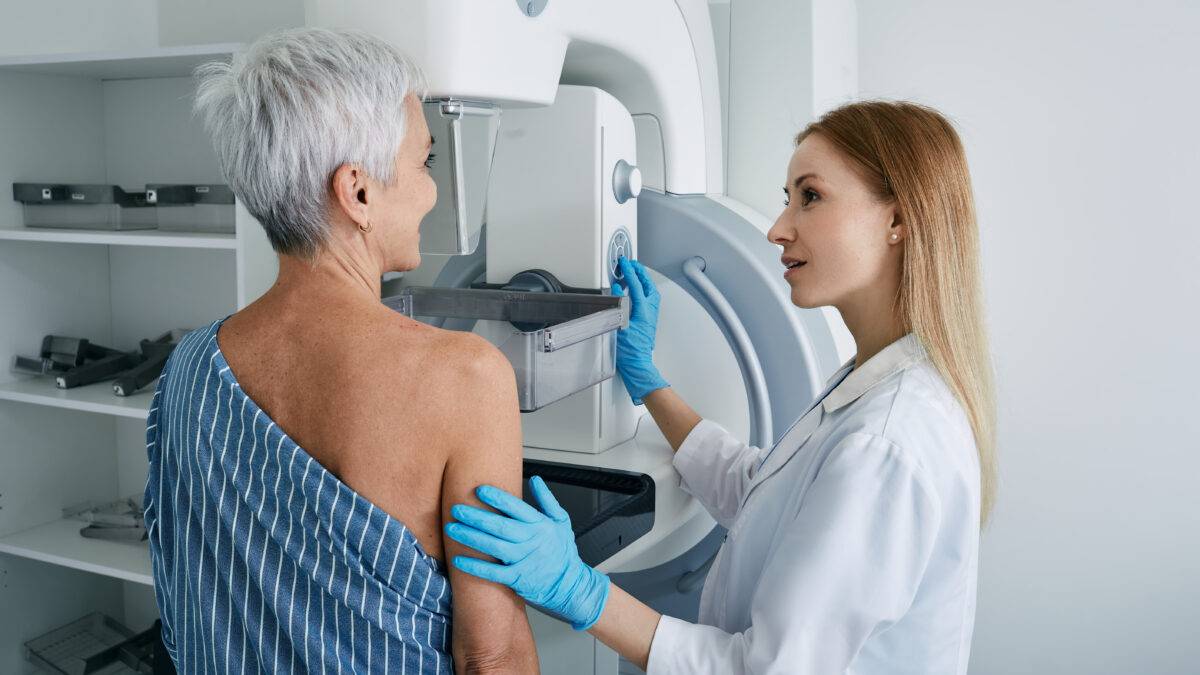
A mammogram is a low-dose X-ray of the breast. Screening mammograms are used to look for signs of breast cancer in women who do not have symptoms, and they can sometimes identify a cancer before a lump can be felt. Diagnostic mammograms may also be used when a woman has symptoms or when an abnormality has been identified during another examination or screening test.
There is no single screening schedule that applies to every woman. Recommendations vary according to age, individual risk, healthcare resources and the guidelines used in a particular country.
In South Africa, CANSA currently recommends annual mammography for women from age 40 for non-symptomatic screening, with women aged 55 and older advised to have mammograms every two years or continue annually if they choose. CANSA also recommends that women with additional risk factors discuss an appropriate screening schedule with their healthcare professional.
Other organisations and healthcare systems use different age ranges and screening intervals. This is one reason it is important to discuss your individual screening needs with a healthcare professional rather than assuming that one schedule applies to everyone.
Screening also has limitations. Mammograms do not detect every breast cancer, which is why knowing what is normal for you and reporting new changes remains important.
Getting Involved This Breast Cancer Awareness Month
Breast Cancer Awareness Month does not have to begin and end with a pink shirt. There are several practical ways to use October as an opportunity to support breast health, both for yourself and for the people around you.
Make your own screening plan
If you are due for a mammogram or another breast health assessment, make an appointment. If you are unsure when you should be screened, speak to your healthcare provider about your age, personal history and individual risk.
Awareness becomes much more meaningful when it leads to action.
Get to know your normal
Use Breast Cancer Awareness Month as a reminder to become familiar with how your breasts normally look and feel. That way, you may be more likely to notice a change that needs medical attention.
Encourage someone else to seek care
Someone you care about may know that breast screening is important but continue putting it off. A simple reminder to make an appointment or speak to a healthcare professional can help turn awareness into action.
Support organisations doing practical work
Consider supporting reputable cancer organisations, patient-support initiatives or community programmes that provide information, screening, diagnosis, treatment or emotional support.
If you are part of a workplace, school, community organisation or social group, you could also encourage an evidence-based breast health education session rather than focusing solely on awareness merchandise.
Keep the conversation going beyond October
Breast cancer does not follow an October-to-October schedule. The conversations about breast health should continue throughout the year, particularly when it comes to screening, recognising changes and making sure that people can access appropriate care.
Conclusion
Breast Cancer Awareness Month is a reminder that awareness is most valuable when it leads to action.
Understanding the importance of early detection can help us recognise why screening matters. Knowing what is normal for your breasts can help you identify changes. And seeking medical assessment promptly can help ensure that a concerning finding is investigated rather than ignored.
For women across Southern Africa, the appropriate approach to breast health may differ according to age, individual risk and access to healthcare services. But the underlying message remains the same: know your breasts, understand your screening options and do not ignore changes.
If you notice a new or unusual change in your breast or underarm, speak to a healthcare professional promptly rather than waiting for your next scheduled screening appointment.
And if you are unsure whether you should have a mammogram or another form of breast assessment, ask your healthcare provider to help you understand what is appropriate for you.
This Breast Cancer Awareness Month, make the pink ribbon mean something practical: know your normal, understand your screening needs and take action when something changes.
Frequently Asked Questions
- What is Breast Cancer Awareness Month?
Breast Cancer Awareness Month takes place every October and aims to raise awareness of breast cancer, encourage early detection, support people affected by the disease and highlight the importance of access to timely diagnosis and treatment.
- Why is early detection important for breast cancer?
When breast cancer is detected before it has spread extensively, treatment is generally more likely to be successful. Five-year relative survival is approximately 99.3% for breast cancer that is localised at diagnosis in US population data, compared with approximately 31% when it has spread to distant parts of the body. These statistics describe populations and cannot predict an individual person’s outcome.
- What breast changes should I look out for?
Changes can include a new lump or thickening, changes in breast size or shape, skin dimpling or puckering, redness or swelling, a newly inverted nipple, unusual nipple discharge or a new change in the breast or underarm area. Not every change is caused by cancer, but new or unusual changes should be assessed by a healthcare professional.
- How often should I check my breasts?
There is no need to follow a complicated examination routine to be breast aware. The important thing is to become familiar with how your breasts normally look and feel and to report any new or unusual changes. Some organisations, including CANSA, recommend regular breast self-examination, but self-examination should not replace recommended screening or medical assessment.
- At what age should I start having mammograms?
There is no single age or screening interval that applies to every woman. In South Africa, CANSA currently recommends annual mammograms from age 40 for non-symptomatic screening, with mammography every two years from age 55 or continued annual screening if preferred. Your healthcare provider can help determine the most appropriate approach based on your individual circumstances.
- Can a mammogram find breast cancer before I feel a lump?
Yes. A screening mammogram can identify some breast cancers before they cause noticeable symptoms or can be felt as a lump. However, mammograms do not detect every breast cancer, so new breast changes should still be assessed even if your most recent mammogram was normal.
- When should I see a breast specialist?
If you notice a new or unusual breast change, start by speaking to a healthcare professional. Depending on the findings, you may be referred to a breast specialist or breast surgeon for further assessment. This may include clinical examination, imaging and, where necessary, a biopsy.
- Can breast cancer be prevented by screening?
Screening does not prevent breast cancer from developing. Its purpose is to help detect breast cancer earlier, when it may be smaller and more treatable. This is why screening and awareness are important parts of breast health.
Book a consultation with a Lenmed breast specialist. Where breast cancer is diagnosed, treatment is best planned through a multidisciplinary breast team. If you would like to learn more about breast health, breast cancer and/or get a professional breast exam or mammogram, book a consultation with a Lenmed general practitioner, family physician or gynaecologist who can guide you further.
For more information, please contact:
Prof H Cubasch
Discipline: General Surgeon
Hospital: Ahmed Kathrada Private Hospital
Telephone: 087 087 8616 / 011 484 7376
Email: BreastUnit@outlook.com
And
Dr M Mpanza
Discipline: Oncologist (Medical), Physician (Internal Medicine)
Hospital: Zamokuhle Private Hospital
Telephone: +27 11 923 7785
Email: mpanzaoncology@gmail.com






Mackenzie Reichhardt