
Find a Hospital
Find a Doctor
Patient Admissions
  • Home
  • About
  • Investors
    • Directors
    • Corporate Profile
    • Financials
    • Share Trading
  • Patient Information
    • Admission Procedures
    • Guides and Brochures
    • Health Advice
    • Lenmed Baby
    • Lenmed News
    • Me Time
    • Medical Aid Designated Service Providers
  • Hospitals
    • Specialised Departments
    • Acute Rehabilitation Centre
    • Ahmed Kathrada Private Hospital
    • Beira Private Hospital
    • Bokamoso Private Hospital
    • Daleside Day Hospital
    • Daxina Private Hospital
    • Ethekwini Hospital and Heart Centre
    • Howick Private Hospital
    • Kathu Private Hospital
    • La Verna Private Hospital
    • Maputo Private Hospital
    • MooiMed Private Hospital
    • Parkmed Neuro Clinic
    • Randfontein Private Hospital
    • Royal Hospital and Heart Centre
    • Shifa Private Hospital
    • Sunningdale Private Hospital
    • Wilmed Park Hospital and Heart Centre
    • Zamokuhle Private Hospital
  • Doctors Portal
    • Opportunities
    • News Portal
    • Get in touch
    • Clinician Portal
  • Nursing College
  • Medical Tourism
  • Careers
    • Vacancies
  • Contact
Find a Hospital
Find a Doctor
Patient Admissions
  • Home
  • About
  • Investors
    • Directors
    • Corporate Profile
    • Financials
    • Share Trading
  • Patient Information
    • Admission Procedures
    • Guides and Brochures
    • Health Advice
    • Lenmed Baby
    • Lenmed News
    • Me Time
    • Medical Aid Designated Service Providers
  • Hospitals
    • Specialised Departments
    • Acute Rehabilitation Centre
    • Ahmed Kathrada Private Hospital
    • Beira Private Hospital
    • Bokamoso Private Hospital
    • Daleside Day Hospital
    • Daxina Private Hospital
    • Ethekwini Hospital and Heart Centre
    • Howick Private Hospital
    • Kathu Private Hospital
    • La Verna Private Hospital
    • Maputo Private Hospital
    • MooiMed Private Hospital
    • Parkmed Neuro Clinic
    • Randfontein Private Hospital
    • Royal Hospital and Heart Centre
    • Shifa Private Hospital
    • Sunningdale Private Hospital
    • Wilmed Park Hospital and Heart Centre
    • Zamokuhle Private Hospital
  • Doctors Portal
    • Opportunities
    • News Portal
    • Get in touch
    • Clinician Portal
  • Nursing College
  • Medical Tourism
  • Careers
    • Vacancies
  • Contact
  • Home
  • About
  • Investors
    • Directors
    • Corporate Profile
    • Financials
    • Share Trading
  • Patient Information
    • Admission Procedures
    • Guides and Brochures
    • Health Advice
    • Lenmed Baby
    • Lenmed News
    • Me Time
    • Medical Aid Designated Service Providers
  • Hospitals
    • Specialised Departments
    • Acute Rehabilitation Centre
    • Ahmed Kathrada Private Hospital
    • Beira Private Hospital
    • Bokamoso Private Hospital
    • Daleside Day Hospital
    • Daxina Private Hospital
    • Ethekwini Hospital and Heart Centre
    • Howick Private Hospital
    • Kathu Private Hospital
    • La Verna Private Hospital
    • Maputo Private Hospital
    • MooiMed Private Hospital
    • Parkmed Neuro Clinic
    • Randfontein Private Hospital
    • Royal Hospital and Heart Centre
    • Shifa Private Hospital
    • Sunningdale Private Hospital
    • Wilmed Park Hospital and Heart Centre
    • Zamokuhle Private Hospital
  • Doctors Portal
    • Opportunities
    • News Portal
    • Get in touch
    • Clinician Portal
  • Nursing College
  • Medical Tourism
  • Careers
    • Vacancies
  • Contact
Lenmed Zamokuhle Private Hospital Staff
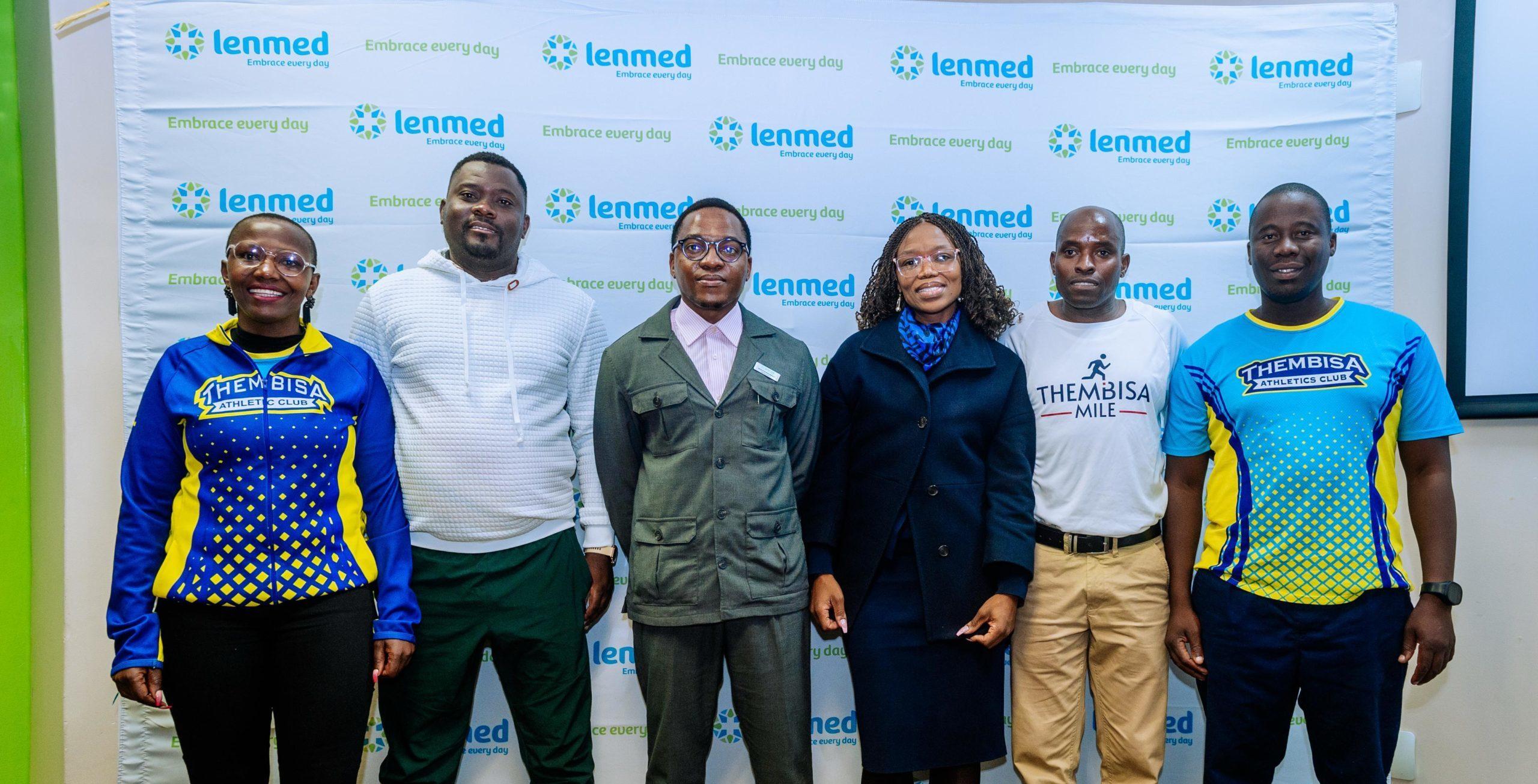
Lenmed Zamokuhle Private Hospital Announced as Main Sponsor of Thembisa Mile
March 5, 2025

HPV and Fertility: Is There a Link?
March 18, 2025

Down Syndrome: Causes, Types and Symptoms

Published by romina on March 18, 2025
Categories
  • Health Advice
Tags
  • Down Syndrome
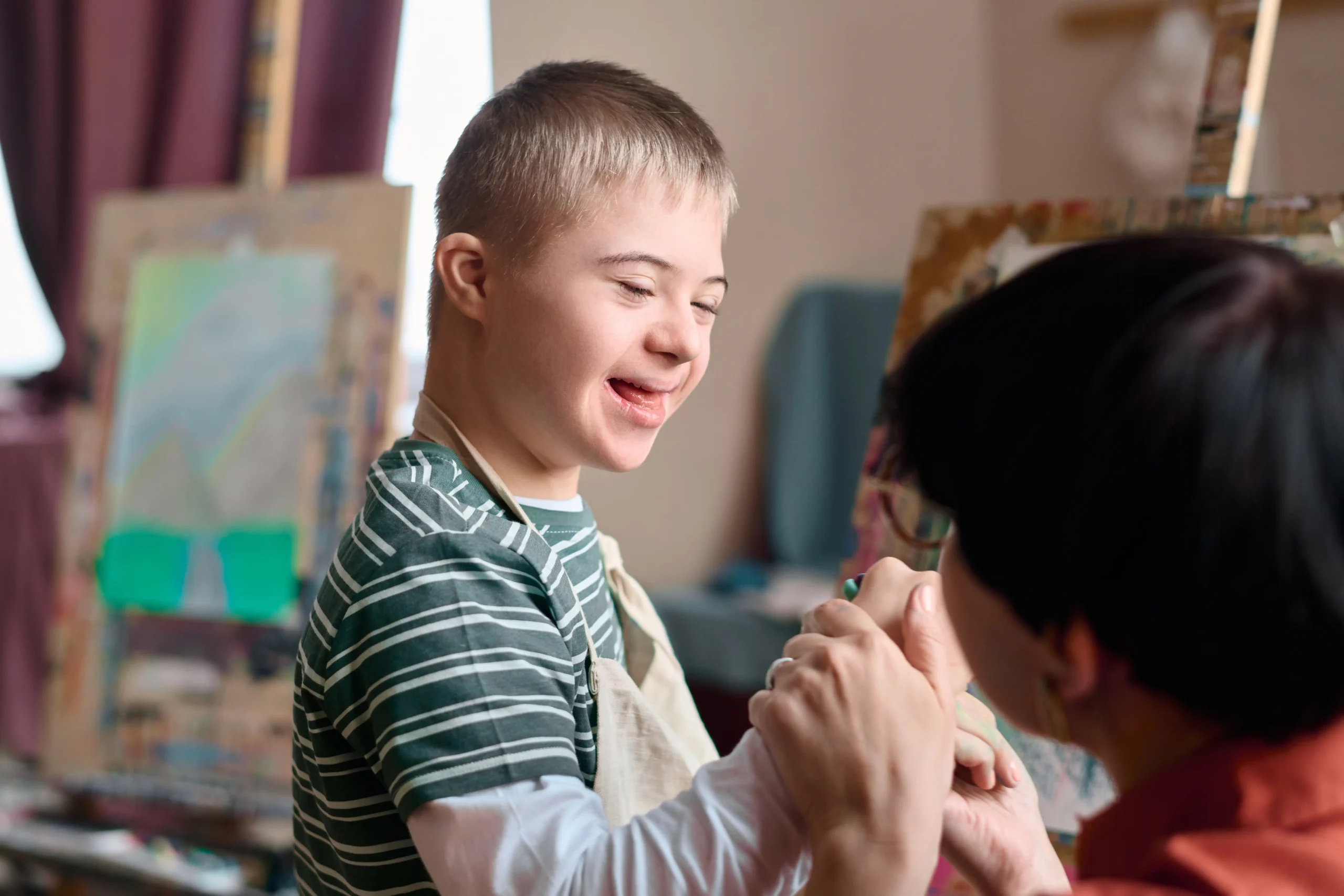
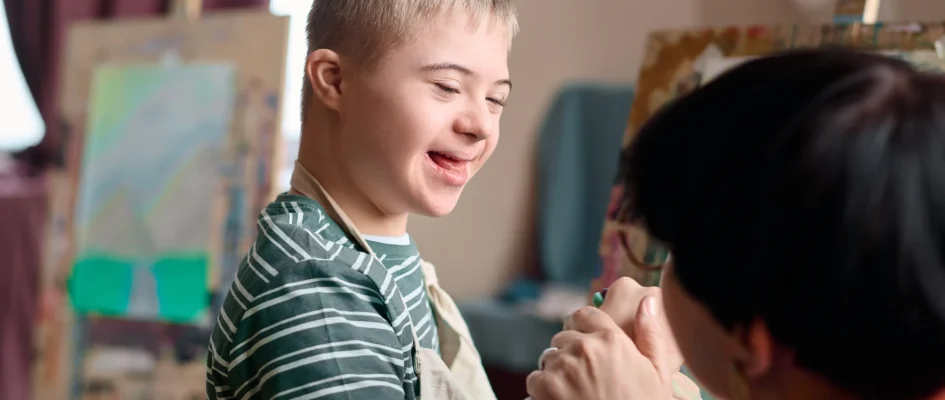
Symptoms of Down Syndrome_Header Image

Down Syndrome: Causes, Types and Symptoms

Down syndrome is a genetic condition that affects millions of people worldwide. It is one of the most common chromosomal disorders and is characterised by a distinct set of physical features, developmental traits and health considerations. Though the condition presents unique challenges, individuals with Down syndrome lead fulfilling lives with the right support, medical care and inclusive education. This article explores the causes of Down syndrome, the different types, common symptoms and the role of early intervention in maximising development and well-being.


Table of Contents

  • What Causes Down Syndrome
  • Types of Down Syndrome
  • How is Down Syndrome Diagnosed?
  • Down Syndrome Symptoms and Development
  • Down Syndrome and Education
  • Can Down Syndrome Be Cured?
  • The Importance of Early Intervention for Down Syndrome
  • Life Expectancy and Quality of Life
  • Support for Families and Caregivers
  • Conclusion


What Causes Down Syndrome?

Down syndrome is a genetic condition that occurs when an individual has an extra copy of chromosome 21. Typically, human cells contain 23 pairs of chromosomes, but in Down syndrome, an anomaly in cell division leads to an additional chromosome 21, resulting in trisomy 21, the most common form of the condition.

The primary cause of this extra chromosome is a random genetic event that happens during the formation of reproductive cells. While researchers do not fully understand why this occurs, certain risk factors have been identified, including:


Advanced maternal age

Women over the age of 35 have a higher likelihood of having a baby with Down syndrome.


Genetic predisposition

While most cases of Down syndrome are not inherited, a small percentage result from genetic factors that can be passed down.


Previous pregnancies with Down syndrome

Parents who have had one child with Down syndrome have a slightly increased chance of having another.

Despite these risk factors, Down syndrome can occur in any pregnancy, regardless of the parents’ health, age or genetic background.


Types of Down Syndrome

There are three recognised types of Down syndrome, each distinguished by how the extra chromosome 21 appears in a person’s cells:


Trisomy 21

The most common type, accounting for about 95% of cases. Every cell in the body has three copies of chromosome 21 instead of two.


Mosaic Down syndrome

A rarer form where only some cells have an extra chromosome 21, while others have the typical two copies. This can lead to milder features and symptoms.


Translocation Down syndrome

Occurs when an extra part or whole chromosome 21 attaches to another chromosome. This type can sometimes be inherited.


How is Down Syndrome Diagnosed?

Doctors use prenatal Down syndrome screening tests to assess the likelihood of a baby having Down syndrome before birth. These non-invasive tests, such as ultrasound and blood tests, measure certain markers associated with the condition. If screening results indicate a higher chance, diagnostic tests like chorionic villus sampling (CVS) or amniocentesis can provide a definitive Down syndrome diagnosis by analysing the baby’s chromosomes.

After birth, doctors typically identify Down syndrome based on physical characteristics of Down syndrome, which include:

  • Almond-shaped eyes with an upward slant
  • A flat nasal bridge
  • A single crease across the palm
  • Hypotonia (low muscle tone)

A chromosomal analysis, called a karyotype test, is then conducted to confirm the diagnosis.


Down Syndrome Symptoms and Development

Each individual with Down syndrome is unique, with varying abilities and challenges. However, some common Down syndrome symptoms include:


Intellectual and developmental differences:

Individuals with Down syndrome often have mild-to-moderate levels of intellectual disability, affecting learning and problem-solving abilities.


Speech and language delays:

Many children take longer to develop verbal skills, though speech therapy can support communication.


Motor skill development:

Due to lower muscle tone, milestones such as sitting, walking and grasping objects may be delayed.


Health concerns:

Some people with Down syndrome experience heart defects, thyroid issues or hearing and vision impairments.

Despite these challenges, with the right support, children and adults with Down syndrome can develop essential skills and achieve independence in many areas of life.


Down Syndrome and Education

With inclusive programmes, individuals with Down syndrome can thrive in educational settings. Down syndrome and education go hand in hand, as many children benefit from tailored learning approaches, speech and occupational therapy and supportive environments. Mainstream schools increasingly offer programmes that promote inclusion, allowing children with Down syndrome to learn alongside their peers.

Early childhood education is particularly beneficial in fostering cognitive and social skills. Specialised learning strategies, patience and positive reinforcement enable children with Down syndrome to reach their full potential.


Can Down Syndrome Be Cured?

There is no “cure” for Down syndrome, as it is a genetic condition present from conception. However, advances in Down syndrome therapies significantly improve quality of life. Early intervention programmes provide crucial support in areas such as speech, occupational and physical therapy. These interventions help children build essential skills and achieve greater independence.


The Importance of Early Intervention for Down Syndrome

Early intervention Down syndrome services are vital in promoting development from infancy. These programmes, often including physiotherapy, speech therapy and educational support, aim to enhance motor skills, communication and social abilities. Studies show that early stimulation leads to better cognitive and physical outcomes, setting a strong foundation for later life.


Life Expectancy and Quality of Life

Thanks to medical advancements, the life expectancy Down syndrome individuals enjoy has increased significantly. Decades ago, many people with Down syndrome had a reduced lifespan due to health complications. Today, with proper healthcare, a balanced lifestyle and supportive environments, individuals can live well into their 60s and beyond. Many actively participate in the workforce, engage in social activities and enjoy fulfilling relationships.


Support for Families and Caregivers

Raising a child with Down syndrome comes with unique joys and challenges. Support for Down syndrome families is essential in ensuring the well-being of both the child and their loved ones. Many organisations provide resources, counselling and community networks to help families navigate the journey. Support groups offer a sense of connection, while educational workshops and medical guidance empower parents with knowledge and confidence.

Governments and non-profits worldwide are also working to improve accessibility to healthcare, inclusive education and employment opportunities for individuals with Down syndrome. With the right support, families can create nurturing environments where their loved ones can flourish.


Conclusion

Down syndrome is a genetic condition that presents unique challenges but also countless opportunities for those with it to thrive. While it is caused by an extra chromosome 21, each person’s journey is shaped by their strengths, support systems and access to education and healthcare. With early intervention Down syndrome therapies, inclusive education and a strong community network, individuals with Down syndrome can lead meaningful and fulfilling lives.

Understanding Down syndrome causes, recognising the types of Down syndrome and being aware of Down syndrome symptoms enables society to be more inclusive and supportive. Through continuous research, advocacy and acceptance, we can ensure that individuals with Down syndrome receive the opportunities they deserve to reach their full potential.

If you are pregnant and would like to learn more about Down syndrome screening, consult your gynaecologist or make an appointment with a Lenmed gynaecologist.

Consulting with a Lenmed paediatrician or a Lenmed occupational therapist will help to create a supportive and inclusive environment for children with Down syndrome.


For more information, please contact:

Dr T Naicker
Discipline: Paediatric Geneticist
Hospital: Ethekwini Hospital and Heart Centre
Telephone: +27 31 581 2524
 

  • Find a Hospital
  • Find a Doctor
  • Find a Specialist Department
  • Health Advice
  • Lenmed News
  • Enquiries
  • Pharmaceutical Procurement
  • Annual Reports
blood pressure being checked by health care provider
CONTINUE READING >>

Understanding Foods That Raise Blood Pressure: A Guide to Mindful Eating and Healthy Moderation

bright orange soup with croutons and ginger
CONTINUE READING >>

Winter Immunity: Discover Natural Ways and Foods to Support Immune Function as Seasons Change

Wrapping a hand in gauze
CONTINUE READING >>

Burns Awareness Week: Complete Guide to Different Types of Burns and Essential Treatment Methods

man using mosquito spray outdoors. Malaria
CONTINUE READING >>

World Malaria Day: Malaria in Africa – Travel Risks and Prevention Tips

Find a Hospital
Find a Doctor
Patient Admissions

Lenmed Head Office

South Africa

Constantia Office Park, 2nd Floor, Building 9, Lakeview Ave, Weltevredenpark, Roodepoort, 1709

GPS: -26.1484132, 27.9270142

Dubai

Office 405 - North Tower, Emirates Financial Towers, DIFC, Dubai, UAE

GPS: 25.208798, 55.276486

Tel: +27 (0) 87 087 0600

Facebook Logo LinkedIn Logo Instagram Logo Twitter Logo
Acute Rehabilitation Centre
11 Riverhorse Road, Riverhorse Valley Business Estate, Durban
Tel:+27 (0)31 581 2400
Ahmed Kathrada Private Hospital
K43 Highway, Lenasia Ext 8, Johannesburg, Gauteng
Tel:+27 (0)87 087 0642
Beira Private Hospital
Estrada Carlos Pereira, Estoril, Beira
Tel:+258 8614 44453
Bokamoso Private Hospital
Plot 2435, Block 1, Mmopane, Along the Molepolole Road, Botswana
Tel:+267 369 4000
Daleside Day Hospital
12 Van Ryneveld Street, Wilkoppies, Klerksdorp
Tel:+27(0) 18 464 1009
Daxina Private Hospital
1682 Impala Street, Extension South, 1829, Lenasia, Johannesburg, Gauteng
Tel:+27 (0)87 087 0644
Ethekwini Hospital and Heart Centre
11 Riverhorse Drive, Riverhorse Valley Business Estate, Durban
Tel:+27(0) 31 581 2400
Howick Private Hospital
107 Main Street, Howick, 3290, KwaZulu Natal
Tel:+27 (0) 33 330 2456
Kathu Private Hospital
Frikkie Meyer Street, Kathu, 8446, Northern Cape
Tel:+27 (0)87 158 2700
La Verna Private Hospital
1 Convent Road, Ladysmith, 3370, KwaZulu Natal
Tel:+27 (0)87 087 2600
Maputo Private Hospital
Rua do Rio Inhamiara, Sommerschield II, Maputo, Mozambique
Tel:+258 84 095 7900 or +258 21 493 680
MooiMed Private Hospital
1 Chief Albert Luthuli Dr, Potchefstroom, 2531
Tel:+27(0)18 293 0802 or +27 083 591 3667
Parkmed Neuro Clinic
94 Arch Bishop Desmond Tutu St, Neserhof, Klerksdorp, 2571
Tel:+27 (0) 18 462 3072
Randfontein Private Hospital
Lister Road, Lower Ward, Street Extension, Randfontein, 1759, Gauteng
Tel:+27 (0)87 087 2700
Royal Hospital and Heart Centre
Cnr Welgevonden Street and Jacobus Smit Avenue, Royldene, Kimberley, Northern Cape
Tel:+27 (0)53 045 0350
Shifa Private Hospital
482 Randles Road, Durban, 4091
Tel:+27 (0)87 087 0641 | 031 240 5002
Sunningdale Private Hospital
12 Van Ryneveld Street, Wilkoppies, Klerksdorp
Tel:+27(0)18 462 7536
Wilmed Park Hospital and Heart Centre
Cnr Ametis & Marmer Street, Wilkoppies, 2571
Tel: +27 (0)18 468 7700
Zamokuhle Private Hospital
128 Flint Mazibuko Street, Hospital View, Tembisa, Gauteng
Tel:+27 (0)87 087 0643
Terms & Conditions | PAIA | Privacy Notice | Digital Service Policy
Share
0
romina
romina

Related posts

blood pressure being checked by health care provider

A nurse measuring the pulse of the patient

May 13, 2026

Understanding Foods That Raise Blood Pressure: A Guide to Mindful Eating and Healthy Moderation


Read more
bright orange soup with croutons and ginger

Healthy food, clean eating concept. Seasonal spicy fall vegetables creamy pumpkin and carrot soup with ingredients on a rustic wooden table. Top view flat lay background

May 13, 2026

Winter Immunity: Discover Natural Ways and Foods to Support Immune Function as Seasons Change


Read more
Wrapping a hand in gauze

Wrapping a hand in gauze

May 8, 2026

Burns Awareness Week: Complete Guide to Different Types of Burns and Essential Treatment Methods


Read more
We use cookies on our website to give you the most relevant experience by remembering your preferences and repeat visits. By clicking “Accept All”, you consent to the use of ALL the cookies. However, you may visit "Cookie Settings" to provide a controlled consent.
Cookie SettingsAccept
Manage consent

Privacy Overview

This website uses cookies to improve your experience while you navigate through the website. Out of these, the cookies that are categorized as necessary are stored on your browser as they are essential for the working of basic functionalities of the website. We also use third-party cookies that help us analyze and understand how you use this website. These cookies will be stored in your browser only with your consent. You also have the option to opt-out of these cookies. But opting out of some of these cookies may affect your browsing experience.
Necessary
Always Enabled
Necessary cookies are absolutely essential for the website to function properly. These cookies ensure basic functionalities and security features of the website, anonymously.
CookieDurationDescription
cookielawinfo-checkbox-analytics11 monthsThis cookie is set by GDPR Cookie Consent plugin. The cookie is used to store the user consent for the cookies in the category "Analytics".
cookielawinfo-checkbox-functional11 monthsThe cookie is set by GDPR cookie consent to record the user consent for the cookies in the category "Functional".
cookielawinfo-checkbox-necessary11 monthsThis cookie is set by GDPR Cookie Consent plugin. The cookies is used to store the user consent for the cookies in the category "Necessary".
cookielawinfo-checkbox-others11 monthsThis cookie is set by GDPR Cookie Consent plugin. The cookie is used to store the user consent for the cookies in the category "Other.
cookielawinfo-checkbox-performance11 monthsThis cookie is set by GDPR Cookie Consent plugin. The cookie is used to store the user consent for the cookies in the category "Performance".
viewed_cookie_policy11 monthsThe cookie is set by the GDPR Cookie Consent plugin and is used to store whether or not user has consented to the use of cookies. It does not store any personal data.
Functional
Functional cookies help to perform certain functionalities like sharing the content of the website on social media platforms, collect feedbacks, and other third-party features.
Performance
Performance cookies are used to understand and analyze the key performance indexes of the website which helps in delivering a better user experience for the visitors.
Analytics
Analytical cookies are used to understand how visitors interact with the website. These cookies help provide information on metrics the number of visitors, bounce rate, traffic source, etc.
Advertisement
Advertisement cookies are used to provide visitors with relevant ads and marketing campaigns. These cookies track visitors across websites and collect information to provide customized ads.
Others
Other uncategorized cookies are those that are being analyzed and have not been classified into a category as yet.
SAVE & ACCEPT