

Lenmed Howick Private Hospital Achieves Milestone with First CAIRS Procedure for Keratoconus
March 26, 2026
African Vaccination Week: Essential Vaccinations Children Need for a Long, Healthy Life
April 7, 2026
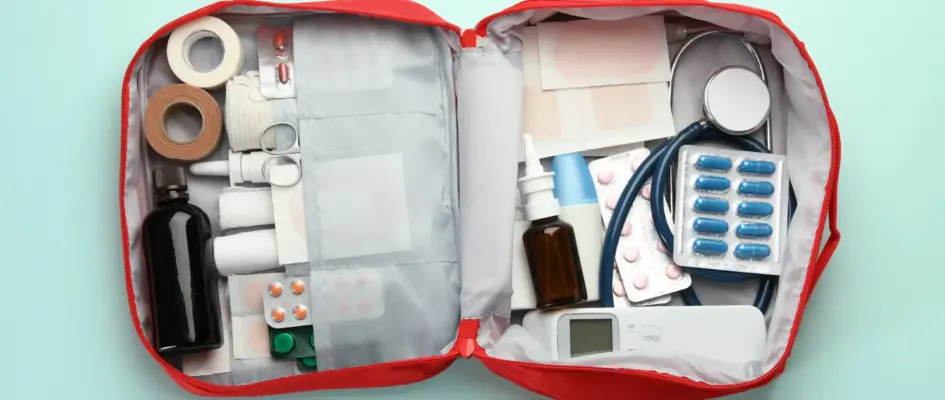
Essential First Aid Items Every Household Should Have and Why They Matter
Accidents and medical emergencies rarely happen at convenient times. A minor burn in the kitchen, a child’s scraped knee, a sudden fever late at night or a twisted ankle during weekend sport can all require immediate attention. Having the right essential first aid items at home ensures that you can respond quickly and safely before professional medical care is available.
A well-prepared household does not need a hospital-level supply kit. It needs thoughtful planning, reliable household first aid supplies and regular maintenance to ensure the contents haven’t expired. Understanding what belongs in your kit – and why – is the foundation of smart home first aid preparation.
Why Every Household Needs a Proper First Aid Kit
A first aid kit is not just a plastic box with plasters – it is a carefully assembled collection of home emergency medical supplies designed to stabilise, protect and reduce further harm in the critical minutes after an injury or illness begins.
Immediate access to basic first aid equipment can:
- Control bleeding
- Reduce the risk of infection
- Support sprains and fractures
- Manage minor burns
- Ease fever or mild pain
- Provide temporary care while waiting for emergency services
In Southern Africa, where distances between homes and healthcare facilities can vary, having the reliable first aid essentials is especially important.
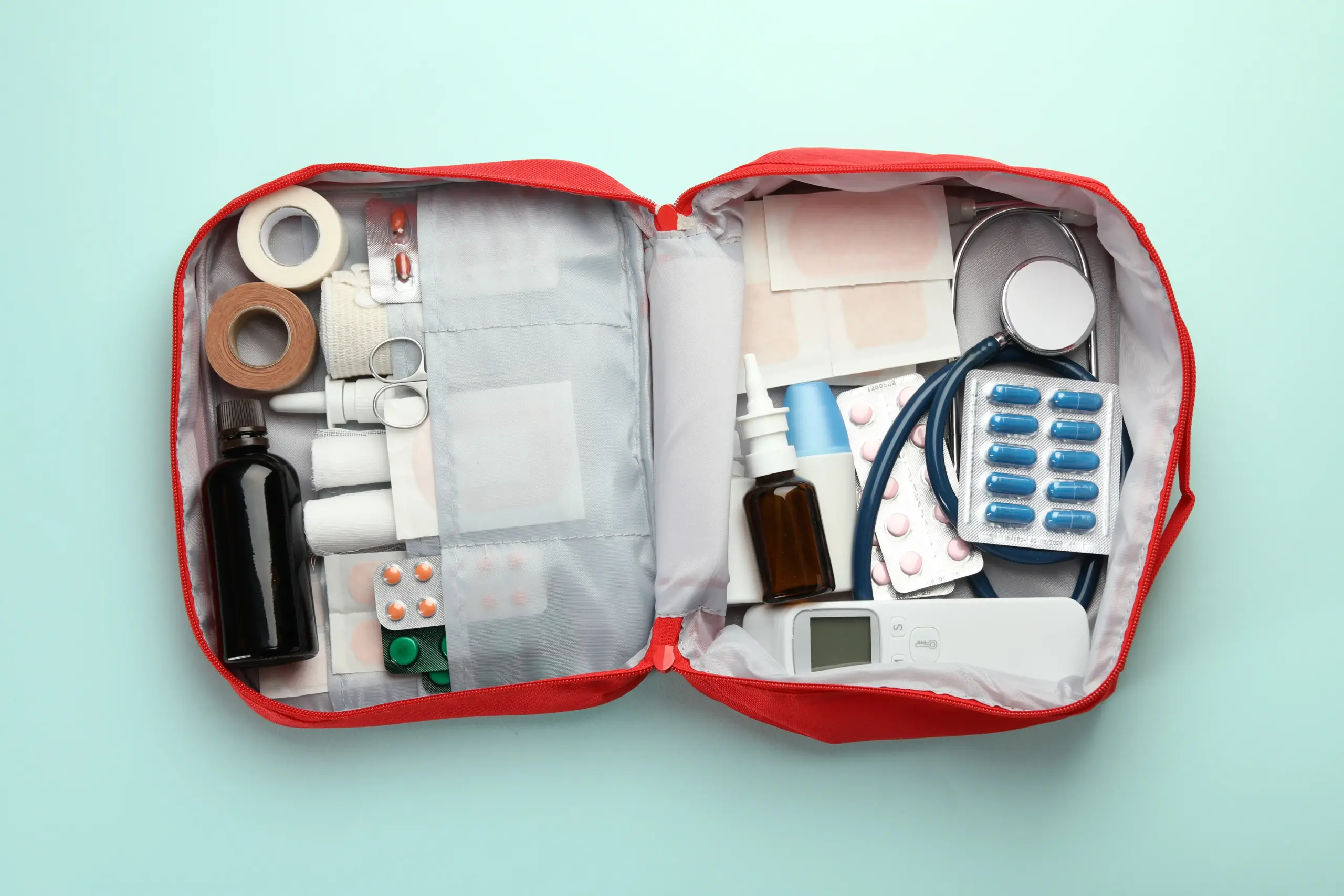
The Core First Aid Kit Essentials Household Should Include
When building your kit, start with the basic essentials that address common injuries.
1. Wound Care Supplies
Cuts and scrapes are among the most frequent home injuries. Your first aid kit contents should include:
- Adhesive plasters in various sizes
- Sterile gauze pads
- Adhesive medical tape
- Antiseptic solution or wipes
- Cotton wool or sterile swabs
- Disposable gloves
These items help clean wounds, reduce infection risk and protect injuries while healing.
2. Bandages and Support Items
For sprains, strains or larger wounds, you will need:
- Elastic bandages
- Triangular bandages (useful as slings)
- Crepe bandages
- Sterile dressings
These are important household emergency kit items that support injured limbs and control swelling.
3. Basic Medications
While a first aid kit is not a pharmacy, certain over-the-counter medications are considered practical home emergency medical supplies. These include:
- Paracetamol or ibuprofen for pain and fever
- Oral rehydration sachets
- Antihistamines for mild allergic reactions
Prescription medication should not be shared among family members, but individuals with specific conditions should store their own labelled medication safely and separately. Always check expiry dates and keep all medication out of children’s reach.
4. Tools and Basic Equipment
No first aid supplies checklist is complete without essential tools:
- Digital thermometer
- Scissors
- Tweezers
- Safety pins
- Instant cold packs
- A small torch
These items assist in assessing injuries and providing immediate care.
Essential First Aid Items for Burns and Emergencies
Burn injuries are common in kitchens and around braais or heaters. Make sure to include:
- Burn gel or burn dressing
- Non-stick sterile dressings
- Clean cling film (can be used as temporary burn covering)
For more serious situations, such as choking or heavy bleeding, basic first aid knowledge matters just as much as equipment. While your kit supports action, training improves outcomes significantly.
What First Aid Items Are Needed for Children?
If you have children, your household first aid supplies should reflect their needs. Consider including:
- Child-friendly pain medication (correct dosage guidance is essential)
- Smaller adhesive plasters
- A dosing syringe or medicine spoon
- Paediatric thermometer
Children are more prone to falls, minor injuries and fevers. Thoughtful home first aid preparation helps parents act calmly and quickly.
Basic vs Advanced First Aid Supplies
There is a difference between basic first aid equipment and more advanced supplies. Basic supplies address everyday incidents like cuts, mild burns and sprains. These are suitable for all households. Advanced supplies may include items such as splints, advanced wound dressings or specialised medical devices. These are often used in workplaces, sports facilities or by individuals with formal first aid training.
Most homes do not need hospital-grade equipment, but a well-stocked basic kit, combined with training, is usually sufficient.
How to Build a Complete First Aid Kit
You can purchase pre-packed kits, but many families prefer to customise their first aid kit contents based on household needs. Start with a durable, clearly labelled container that is easy to open.
Follow this simple structure:
- Wound care section
- Bandages and support items
- Medications
- Tools
- Emergency contact list
Keep a printed first aid supplies checklist inside the kit so you can quickly see what needs replacing.
Where Should You Store Your Household First Aid Kit?
Location matters. Your household emergency kit items should be stored:
- In a cool, dry place
- Out of direct sunlight
- Away from young children
- In an easily accessible location
Many families keep one main kit in a central cupboard and a smaller kit in the car. Quick access during emergencies can make a meaningful difference. Although it is important for your first aid to be accessible, it should be kept out of reach of small children, especially if it contains items such as scissors and medications.
How Often Should You Check and Update Your Kit?
Review your home emergency medical supplies at least twice a year. An outdated first aid kit is as helpful as having no kit at all.
Check for:
- Expired medications
- Used or missing items
- Damaged packaging
- Flat batteries in thermometers
Routine checks ensure the first aid essentials remain safe and effective.
Do You Need Prescription Medications in Your Kit?
General first aid kits should not contain shared prescription medication. However, individuals with chronic conditions should store their own required medicines safely and clearly labelled. For example, inhalers or allergy medication may be kept in an accessible location, but should remain personal and monitored carefully.
How Much Does a Complete First Aid Kit Cost?
The cost of assembling essential first aid items at home varies depending on quality, brand and whether you purchase a ready-made kit or build your own. Basic kits are generally affordable, while larger or more comprehensive kits cost more.
Remember that a first aid kit is an investment in safety. The value lies in the peace of mind of being prepared rather than in the price.
What First Aid Training Should You Have?
Owning supplies is only one part of effective home first aid preparation. Training empowers you to use your kit correctly.
Consider:
- Basic first aid courses
- CPR training
- Child and infant first aid training
In South Africa and neighbouring countries, accredited organisations regularly offer short courses that provide practical, life-saving skills. Even one trained member in a household can significantly improve emergency response.
Why Preparedness Matters
Emergencies are unpredictable. Being prepared reduces panic and allows families to respond confidently. A thoughtfully assembled kit filled with appropriate household first aid supplies supports faster action and better outcomes. In many cases, early intervention – cleaning a wound correctly, reducing swelling quickly or managing a fever safely – can prevent complications and unnecessary hospital visits.
Conclusion
Creating a well-stocked first aid kit is one of the simplest yet most impactful safety steps a household can take. From minor scrapes to unexpected injuries, having the right household emergency kit items within reach provides reassurance and practical support when it matters most. A complete kit does not need to be complicated. It needs to be intentional, maintained and paired with basic training. By investing in the right first aid kit essentials that a household may need, you are investing in the safety and well-being of everyone under your roof. Prepared homes are safer homes, and preparedness begins with a simple box of carefully chosen supplies.
Frequently Asked Questions
- What are the absolute essentials every household first aid kit must contain?
Essential items include adhesive bandages (various sizes), sterile gauze pads, medical tape, antiseptic wipes, instant cold compresses, disposable gloves, a thermometer, pain relievers (paracetamol, ibuprofen), an antihistamine, triangular bandages, scissors, tweezers and an emergency contact list. These 12 core items handle 80% of common household injuries and emergencies. - Where is the best place to store my first aid kit at home?
Store your kit in a cool, dry, easily accessible location known to all family members. Good locations include kitchen cabinets, bathroom medicine cabinets or hallway closets. Avoid garages, cars or areas with temperature extremes. Keep it in a waterproof container, clearly marked and away from children but accessible to adults during emergencies. - How often should I check and replace items in my first aid kit?
Inspect your kit every six months, checking expiration dates on medications and replacing used items. Replace adhesive bandages annually as the adhesive weakens, check batteries in thermometers and update emergency contact information. Well-maintained kits ensure supplies are ready when needed most. - Do I need different first aid supplies for children versus adults?
Yes, children need specialised items including a paediatric thermometer, child-safe medications with proper dosing instructions, colourful bandages to reduce anxiety, smaller gauze sizes and child emergency contact information, including paediatrician details. Include any specific medications for family members with chronic conditions like asthma inhalers or EpiPens for serious allergic reactions. - What’s the difference between a basic and a comprehensive first aid kit?
Basic kits handle minor cuts, burns and sprains with 10–15 essential items costing R200–R400. Comprehensive kits include advanced supplies like splinting materials, burn dressings, emergency medications, blood pressure cuff and trauma supplies, costing R800–1500. Choose based on family size, health conditions and proximity to medical facilities. - Should I include prescription medications in my household first aid kit?
Include emergency prescription medications like rescue inhalers, EpiPens or nitroglycerin if family members have these conditions. Store a 3-day supply of essential daily medications in case of emergencies. Keep medications in original containers with current labels and check expiration dates regularly. Consult your doctor about emergency medication needs. - What first aid training do I need to use these supplies effectively?
Basic first aid and CPR training is highly recommended for all adults. Training covers wound cleaning, bandaging techniques, recognising emergencies and when to seek professional help. Many organisations offer courses, including Red Cross, St. John Ambulance and workplace safety programmes. Proper training makes supplies effective and builds confidence during emergencies. - How do I know when to use first aid and when to call emergency services?
Use first aid for minor cuts, burns smaller than palm size, sprains and minor allergic reactions. Call emergency services immediately for severe bleeding, breathing difficulties, chest pain, loss of consciousness, severe burns, suspected fractures or any life-threatening condition. When in doubt, call for professional help while providing appropriate first aid.
If you need more advice on how to build your at-home first aid kit or would like recommendations on first aid training courses, speak to a Lenmed family physician or general practitioner.
For more information, please contact:
Discipline: General Practitioner
Hospital: Royal Hospital and Heart Centre
Telephone: +27 53 045 0371
Email: cupidoneil@yahoo.com




SEO