
Essential First Aid Items Every Household Should Have and Why They Matter
April 7, 2026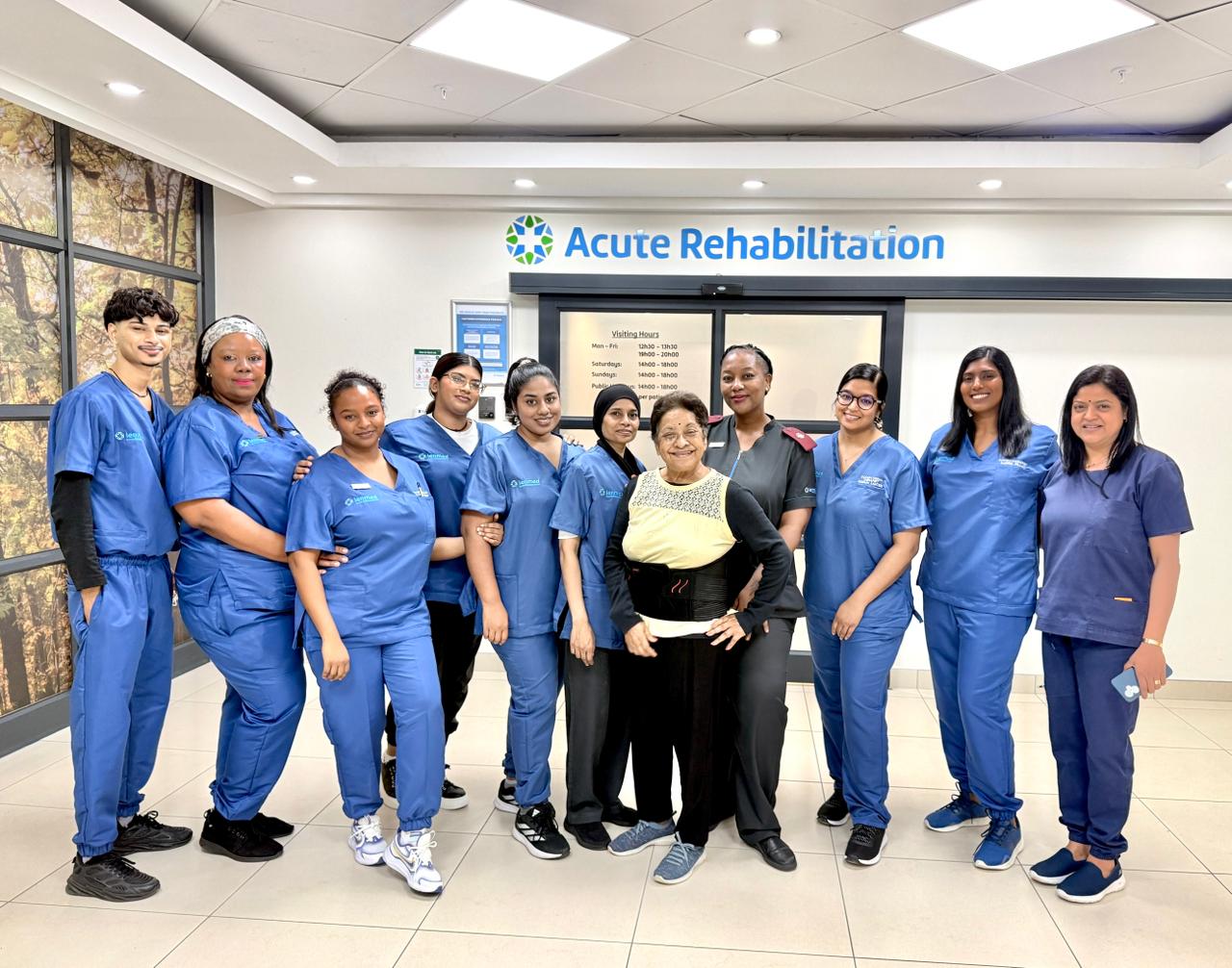
Lenmed Acute Rehabilitation Centre Celebrates One Year of Restoring Lives and Independence
April 8, 2026
African Vaccination Week: Essential Vaccinations Children Need for a Long, Healthy Life
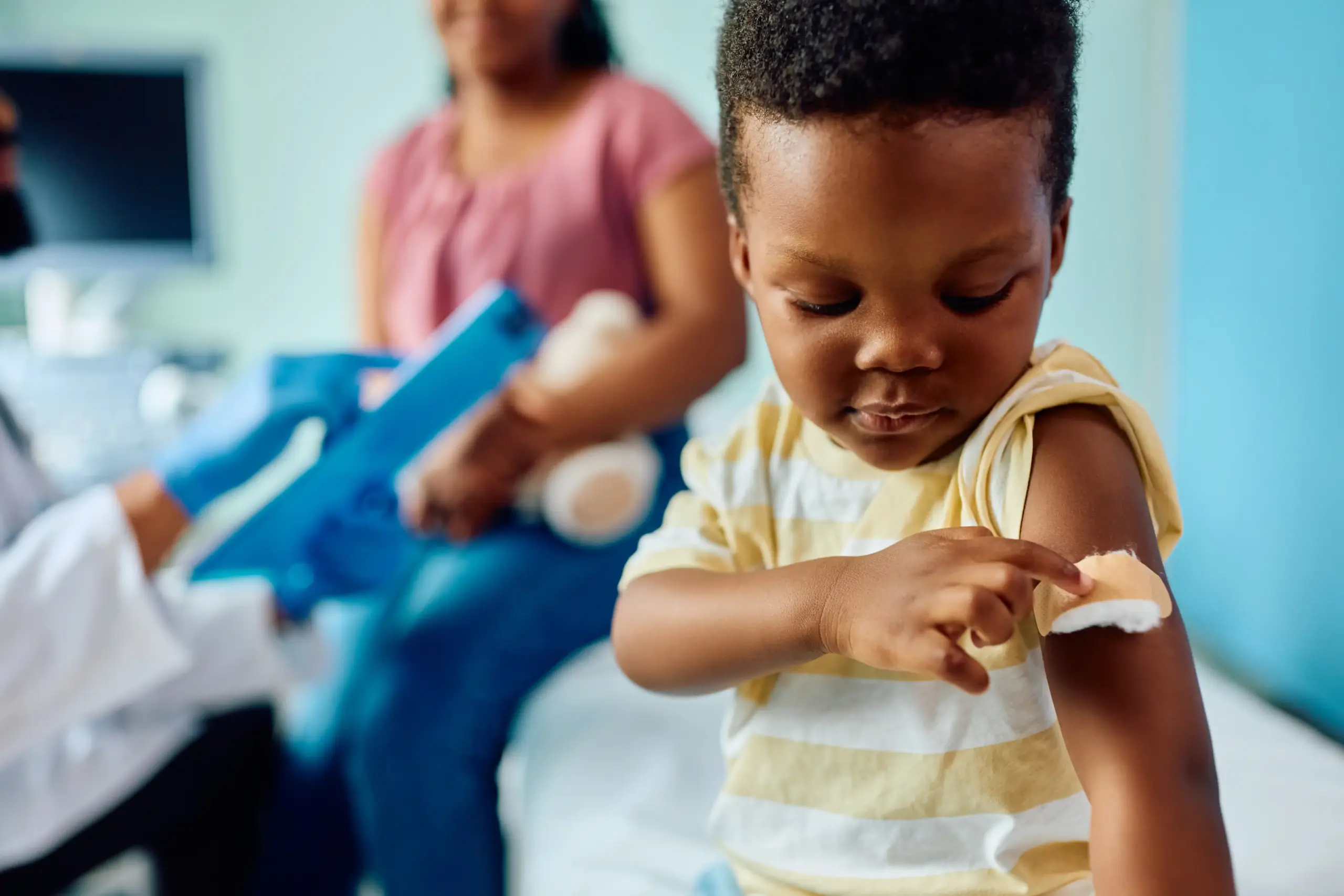
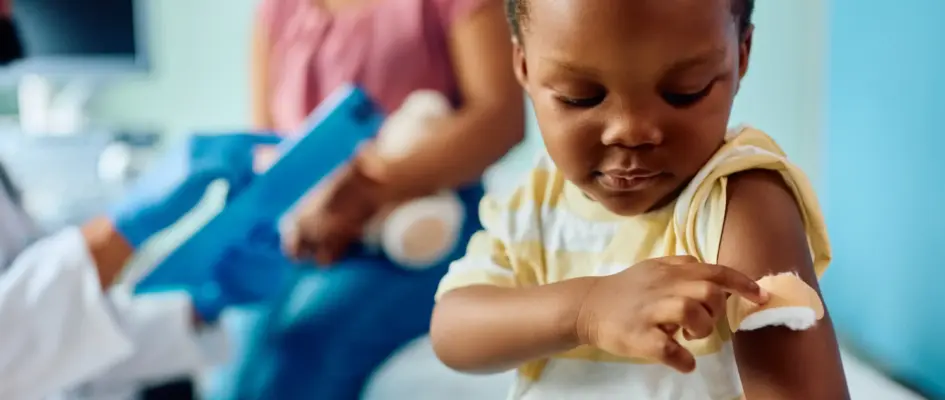
Every year, African countries mark African Vaccination Week, a continental public health initiative dedicated to promoting immunisation and protecting communities from preventable diseases. The campaign highlights the importance of ensuring that every child receives the vaccines they need for a healthy start in life. Vaccination is one of the most effective and widely used medical interventions in modern healthcare. Through childhood immunisation programmes, millions of children around the world are protected from serious illnesses that once caused widespread disability and death.
Across South Africa and many parts of the continent, vaccination programmes play a critical role in supporting child health vaccination efforts. By following the recommended child immunisation schedule, parents and caregivers can help protect children from dangerous infections while also strengthening community immunity.
Understanding African Vaccination Week
African Vaccination Week was established by the World Health Organisation’s regional office for Africa to strengthen awareness about the importance of routine immunisation. The campaign encourages governments, healthcare providers and communities to prioritise initiatives illustrating the importance of vaccination for children, particularly in regions where access to healthcare may be limited.
The goal is simple but powerful: ensure that every child receives life-saving vaccines according to the recommended immunisation schedule in South Africa and across the continent. Vaccination programmes help prevent outbreaks, protect vulnerable populations and contribute to healthier societies overall.
Why Childhood Vaccinations Matter
The immune system of a newborn child is still developing, making infants and young children especially vulnerable to infections. Vaccines help train the immune system to recognise and fight specific pathogens before a child encounters them in everyday life. This protection is particularly important because some childhood diseases can progress rapidly and cause severe complications.
Vaccination programmes help prevent illnesses such as:
- Measles
- Polio
- Diphtheria
- Tetanus
- Whooping cough (pertussis)
- Hepatitis B
- Tuberculosis
- Pneumococcal disease
Through programmes that provide vaccines to prevent childhood diseases, millions of children worldwide are protected each year from infections that once posed serious threats to their survival.
How Vaccines Protect Children
Vaccines work by introducing a small, harmless component of a virus or bacteria into the body. This stimulates the immune system to produce antibodies without causing the disease itself. If the child is later exposed to the real infection, the immune system recognises the pathogen and responds quickly to stop it from causing illness.
This process provides children with vaccine protection that can last for many years, and, in some cases, for a lifetime. Vaccination not only protects individual children but also contributes to community immunity, sometimes called “herd immunity”. When enough people are vaccinated, it becomes much harder for diseases to spread within communities.
The Importance of the Childhood Immunisation Schedule
Vaccines are carefully scheduled to provide protection at the ages when children are most vulnerable to specific diseases. The child immunisation schedule used in South Africa and many other countries is designed by public health experts based on scientific research and disease risk patterns.
Following the recommended immunisation schedule in South Africa ensures that children receive vaccines at the optimal time to build strong immunity. Vaccines are typically administered at several key stages during early childhood, beginning shortly after birth and continuing through infancy and early school years.
Essential Vaccines Children Need
While the exact combination of vaccines may vary slightly depending on national guidelines, several vaccines are considered essential for protecting children from serious disease. These include:
BCG Vaccine
The BCG vaccine protects against severe forms of tuberculosis, particularly in young children. In South Africa, it is usually administered shortly after birth.
Polio Vaccine
Polio is a viral disease that can cause paralysis. The polio vaccine forms part of routine childhood vaccination programmes in South Africa and has played a major role in reducing global polio cases.
DTP Vaccine
The DTP vaccine protects against three potentially serious diseases:
- Diphtheria
- Tetanus
- Pertussis (whooping cough)
These illnesses can be particularly dangerous for infants and young children.
Hepatitis B Vaccine
This vaccine protects against hepatitis B, a viral infection that can affect the liver and lead to long-term health complications.
Pneumococcal Vaccine
Pneumococcal infections can cause pneumonia, meningitis and bloodstream infections. Vaccination helps protect children from these potentially severe illnesses.
Measles Vaccine
Measles is highly contagious and can lead to serious complications such as pneumonia and brain inflammation. Vaccination remains the most effective way to prevent outbreaks.
Together, the above form a core part of the essential vaccines children need to support long-term health.
When Children Receive Their First Vaccinations
Many children receive their first vaccines within hours or days of birth. Early immunisation helps protect newborns from infections that they may encounter in their environment. Additional vaccines are administered during the first year of life, with further booster doses given in early childhood to maintain protection. Parents and caregivers are encouraged to keep accurate vaccination records and attend scheduled healthcare visits to ensure children remain up to date with their immunisations.
Are Childhood Vaccines Safe?
Vaccines undergo extensive testing before they are approved for use. Regulatory authorities carefully evaluate their safety, effectiveness and quality. Ongoing monitoring continues even after vaccines are introduced into national immunisation programmes.
As with most medical interventions, vaccines may occasionally cause mild side effects. These are typically short-lived and may include:
- Mild fever
- Redness or swelling at the injection site
- Temporary irritability or fatigue
Serious reactions are rare, and the benefits of vaccination far outweigh the potential risks. Healthcare professionals are trained to monitor and manage any unusual reactions should they occur.
Why Booster Vaccinations Are Necessary
Some vaccines require additional doses over time to maintain immunity. These are known as booster shots. Booster doses help reinforce the immune response and ensure that protection remains strong as a child grows. For example, vaccines that protect against diseases such as tetanus and whooping cough may require booster doses during early childhood.
Following the full child immunisation schedule ensures that children remain protected as they move through different stages of development.
What Happens If a Child Misses a Vaccination?
Life can be busy, and sometimes appointments are missed. If a child falls behind on their vaccination schedule, it does not necessarily mean the vaccination process needs to start again. Healthcare providers can help parents catch up on missed doses by adjusting the vaccination plan safely. The important thing is to speak with your healthcare professional as soon as possible so the child can receive the necessary vaccines and continue building protection against preventable diseases.
Addressing Common Concerns about Vaccination
Many parents have questions about vaccines, which is entirely understandable when making decisions about a child’s health. Reliable information from healthcare professionals can help families understand the childhood immunisation benefits and address concerns about vaccine safety.
Scientific research and decades of public health data consistently show that vaccines are among the most effective tools for protecting children from infectious diseases. And healthcare providers play an important role in guiding parents through the vaccination process and ensuring that children receive safe, evidence-based care.
Vaccination and Long-Term Child Health
Vaccination does more than protect children in the short term. It also contributes to long-term health by preventing complications associated with serious infections. Diseases such as measles, meningitis and polio can lead to lifelong disability or even death. Preventing these illnesses through immunisation dramatically improves health outcomes for children worldwide.
By supporting routine childhood vaccination programmes in South Africa, families contribute to a healthier future for both individual children and communities.
The Role of Parents and Caregivers
Parents and caregivers play a vital role in ensuring children receive scheduled vaccinations. Keeping track of vaccination appointments, maintaining immunisation records and consulting healthcare providers when questions arise all help ensure that children remain protected.
During African Vaccination Weekinititatives, healthcare providers encourage families to review their child’s vaccination status and schedule any missed doses. Routine check-ups provide an opportunity to discuss vaccination schedules, monitor child development and address any health concerns early.
Conclusion
Vaccination is still one of the most powerful tools in modern medicine. By preventing infectious diseases before they occur, vaccines help children grow up healthier and stronger. Through initiatives like African Vaccination Week, communities across the continent are reminded of the life-saving impact of routine immunisation.
Following the recommended immunisation schedule in South Africa, ensuring children receive the essential vaccines needed and maintaining regular healthcare visits all contribute to building a foundation for lifelong health. Protecting children today helps create healthier families, stronger communities and a safer future for generations to come.
Frequently Asked Questions
- Which vaccines are absolutely essential for children in South Africa?
Essential childhood vaccines in South Africa include: BCG (tuberculosis), Polio (IPV/OPV), DTP-Hib-HepB (diphtheria, tetanus, pertussis, Haemophilus influenzae b, Hepatitis B), PCV (pneumococcal), Rotavirus, Measles, and HPV for girls. These vaccines protect against 11 serious diseases and are provided free through the Expanded Programme on Immunisation (EPI). - At what ages should my child receive vaccinations according to the South African schedule?
Vaccinations start at birth with BCG and OPV, continue at 6, 10 and 14 weeks with multiple vaccines, then at 9 and 18 months. School-age boosters occur at 6 years and 12 years (HPV for girls). This schedule ensures optimal protection during vulnerable periods when children are most susceptible to serious diseases. - Are childhood vaccines safe, and what side effects should I expect?
Childhood vaccines are extensively tested and monitored for safety. Common mild side effects include slight fever, irritability and redness at injection sites, lasting 1–2 days. Serious adverse events are extremely rare (1 in a million doses). The benefits far outweigh the risks – vaccines prevent life-threatening diseases with minimal side effects. - How do vaccines protect my child from serious diseases?
Vaccines train your child’s immune system to recognise and fight specific diseases before natural exposure. They contain weakened or inactivated parts of disease-causing organisms, stimulating antibody production without causing illness. This creates immunity, so if exposed to the actual disease, the immune system quickly destroys it before symptoms develop. - Why are multiple doses and booster shots necessary for some vaccines?
Multiple doses ensure robust, long-lasting immunity. Initial doses introduce the immune system to disease antigens, while subsequent doses strengthen and extend protection. Booster shots refresh immunity as antibody levels naturally decline over time, ensuring continued protection through childhood and adolescence. - What should I do if my child misses a scheduled vaccination?
Contact your healthcare provider immediately to reschedule. Delayed vaccination leaves children vulnerable to preventable diseases. Most vaccines can be given later than scheduled without restarting the series, but catch-up schedules vary by vaccine and age. Don’t wait – delayed protection puts your child and community at risk. - Do vaccines cause autism or other developmental problems?
No, extensive scientific research involving millions of children has found no link between vaccines and autism or developmental disorders. The original study claiming this connection was fraudulent and retracted. Multiple large-scale studies confirm vaccines are safe and don’t increase autism risk. Delaying vaccines only increases disease risk. - Can my child attend school without being fully vaccinated?
South African law requires children to be vaccinated against specific diseases before school entry, with medical exemptions only for children who cannot safely receive vaccines. Schools may exclude unvaccinated children during disease outbreaks. Complete vaccination protects your child and classmates, ensuring healthy learning environments for all.
If you would like to find out more about which vaccinations your child is due for or would simply like to learn more about the importance of childhood vaccinations, speak to a Lenmed paediatrician, general practitioner or family physician.
For more information, please contact:
Dr K Monene
Discipline: Paediatrician
Hospital: Zamokuhle Private Hospital
Telephone: +27 11 923 7806
And
Discipline: Paediatrician
Hospital: Royal Hospital and Heart Centre
Telephone: +27 53 045 0512
Email: info@drdawiepeens.co.za




SEO