
Lenmed Wilmed Park Hospital and Heart Centre Welcomes New Cardiologist, Dr Don Zachariah, to Its State-of-the-Art Cardiac Centre
October 17, 2025
The Role of Acute Rehabilitation in Stroke Recovery: A Complete Patient and Family Guide
October 24, 2025
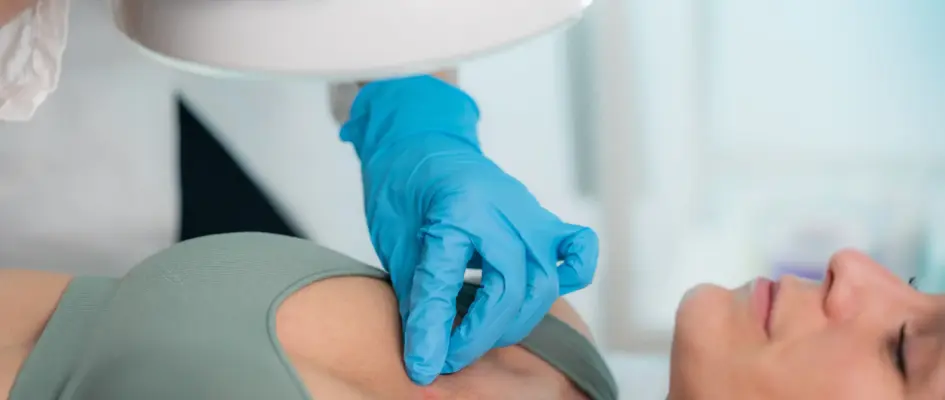
How to Perform a Breast Self-Exam: Your Complete Guide to Breast Awareness and Early Detection
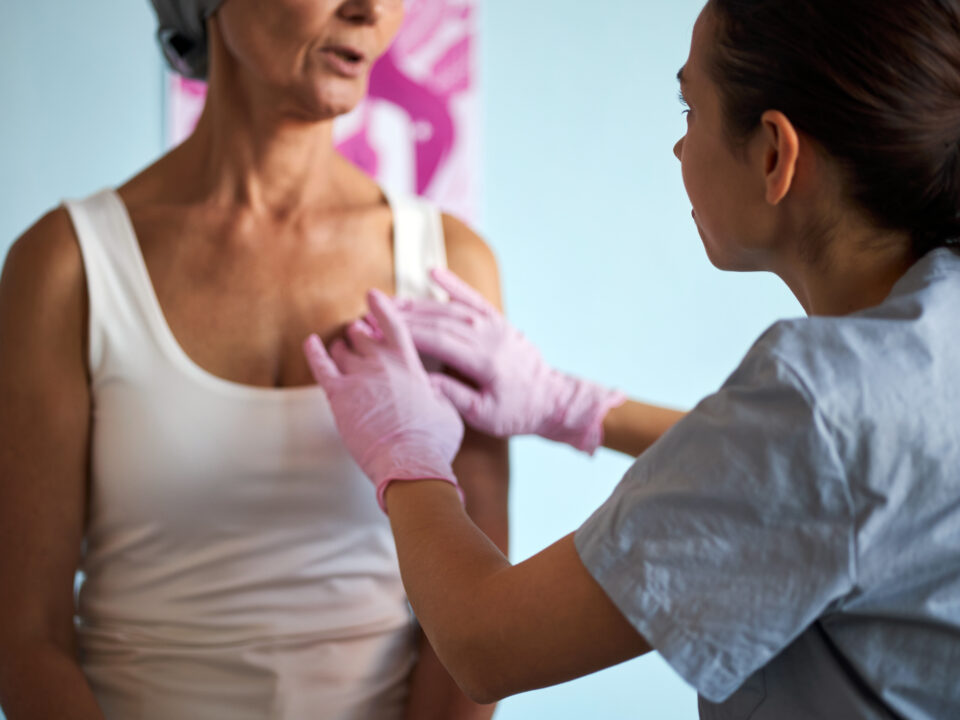
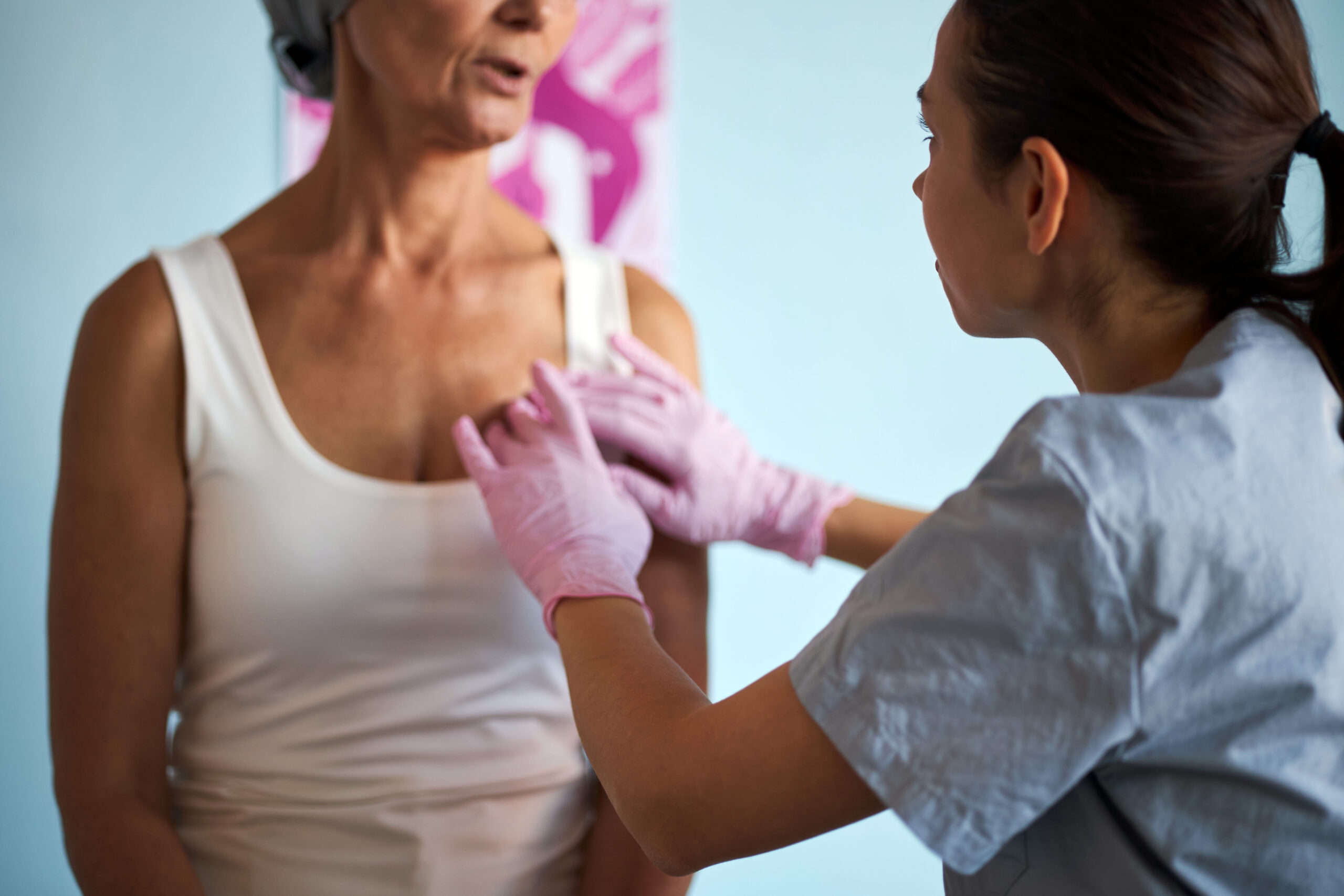
Breast cancer remains one of the most common cancers among women worldwide, including in South Africa. While mammograms and clinical breast exams are vital for early breast cancer detection, many women first notice changes in their breasts themselves. This is where breast awareness – and specifically learning how to perform a breast self-examination – becomes so important.
Self-exams are not a replacement for professional screening, but they are a powerful way for women and men alike to stay in tune with their bodies, notice subtle changes and seek medical guidance promptly if something feels unusual. By following a breast self-examination guide, you can build confidence in monitoring your own breast health, supporting early intervention and contributing to breast cancer prevention screening.
Understanding Breast Awareness
Before diving into the self-breast examination technique, it helps to understand the broader concept of breast awareness. Breast awareness goes beyond a once-a-month self-exam. It’s about knowing how your breasts normally look and feel at different times of the month, recognising that natural changes occur with age, hormones, pregnancy and menopause.
Breast awareness techniques help individuals to notice unusual changes – from lumps to skin alterations – that might signal the need for professional assessment. This proactive approach strengthens breast health monitoring and ensures that if something abnormal develops, it won’t go unnoticed.
When and How Often to Perform a Self-Exam
Consistency is key when it comes to a monthly breast self-exam. The best time to perform it is about a week after your period ends, when breasts are least likely to be swollen or tender. For those who are post-menopausal or have irregular cycles, choosing the same day each month – for example, the first day of the month – is recommended.
Men can also develop breast cancer, though it is much rarer. Men and women with a strong family history of breast cancer or known genetic mutations should be especially vigilant.
Step-by-Step Guide to Performing a Breast Self-Exam
A thorough breast self-examination involves both looking and feeling. Here’s a complete breast self-exam guide:
Step 1: Visual Inspection
Stand in front of a mirror with your shoulders straight and arms on your hips. Look for:
- Changes in breast shape or size
- Visible lumps or swelling
- Skin dimpling or puckering
- Redness, rash or scaling
- Changes in nipple position, nipple inversion or discharge
Next, raise your arms overhead and repeat the inspection from different angles.
Step 2: Standing or Shower Exam
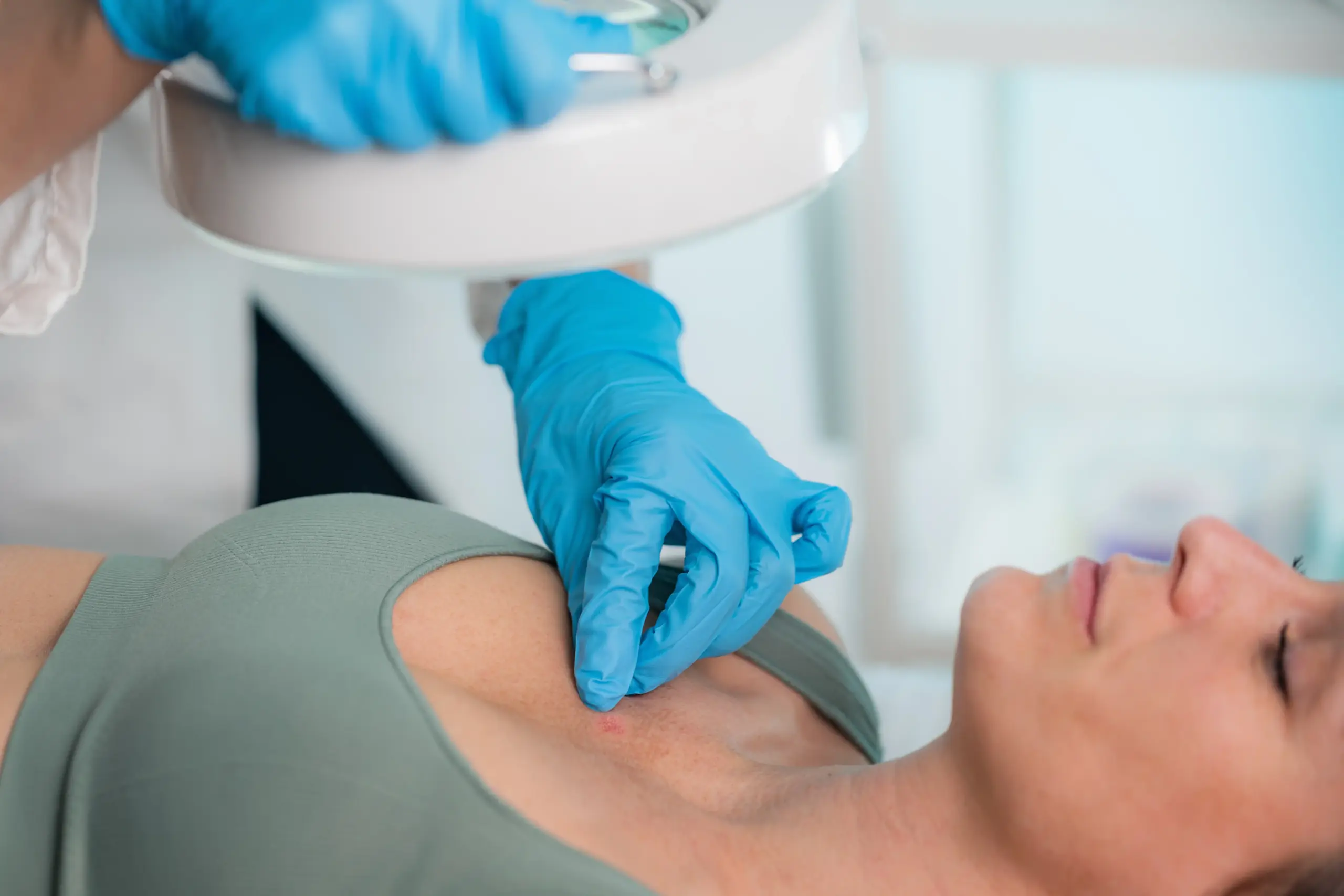
Many women find it easiest to feel their breasts while their skin is wet and slippery. Use the palm-side of your fingers, moving in small circular motions across the entire breast from collarbone to rib cage and from armpit to cleavage. Apply light, medium and firm pressure to assess different tissue depths.
Step 3: Lying Down Exam
Lie flat on your back with one arm raised above your head. Use the opposite hand to feel the breast in the same circular pattern, again applying varying pressure levels. Don’t forget to check the armpit area, as breast tissue extends into the underarm.
By following these breast self-exam steps, you will establish a routine that makes it easier to detect subtle differences over time.
What to Look and Feel For
During a breast self-examination, you’re not only checking for lumps. Other signs to monitor include:
- A hard or irregularly shaped lump that feels different from surrounding tissue
- Thickening in a particular area of the breast
- Swelling in all or part of the breast
- Persistent pain in one spot
- Nipple discharge (other than breast milk)
- Changes in skin texture, such as dimpling, puckering or scaling
- Unexplained change in breast size or shape
It’s important to remember that not all lumps or changes mean breast cancer. And a lump does not need to be painful to warrant further investigation – rather, be safe and get any lump checked out by your healthcare provider. Many can be benign conditions, such as cysts or fibroadenomas (harmless, solid lumps in the breast made of fibrous and glandular tissue). However, any new or unusual finding should be discussed with your doctor.
Breast Self-Exams and Early Detection
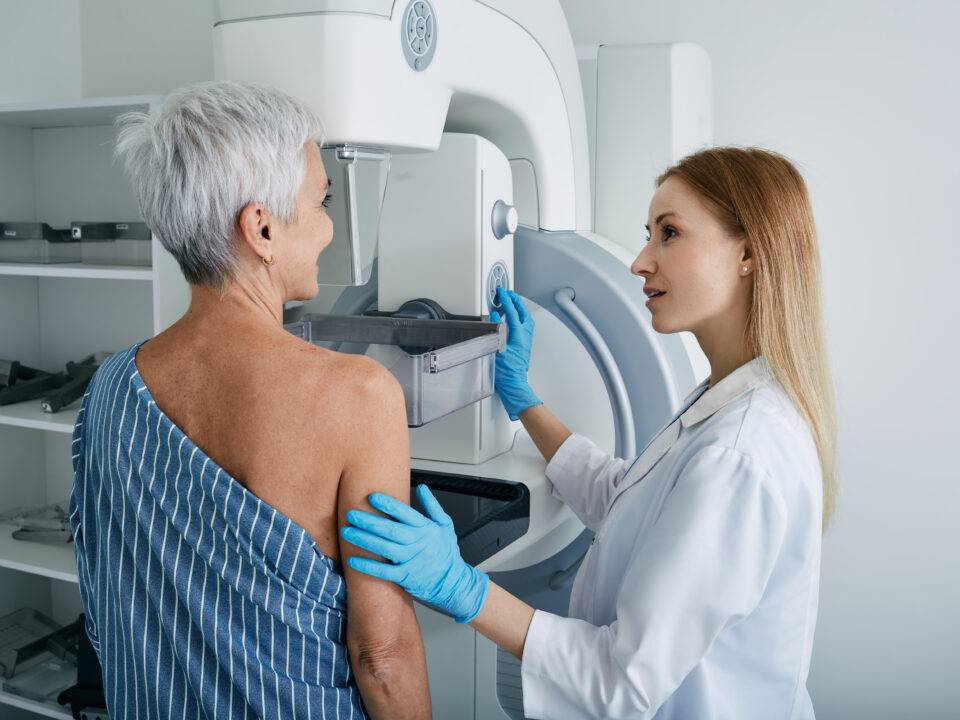
Breast self-exams are an essential component of breast cancer prevention screening, but they are not diagnostic tools on their own. They can help with breast cancer early detection when combined with regular mammograms and clinical exams.
A self-breast examination technique empowers patients to identify changes early, but professional imaging remains the most accurate tool. The greatest value of monthly breast awareness is that it encourages timely medical consultation if changes are detected, significantly improving outcomes.
Special Considerations
Women with Breast Implants
Self-exams are still important, but extra care should be taken to feel around the implant and natural tissue. Your healthcare provider can demonstrate techniques adapted for implants.
Men
Though less common, male breast cancer does occur. Men should check for lumps, nipple changes or skin discrepancies around the chest.
Post-Menopause
Breast tissue changes with age. Self-exams after menopause remain valuable, especially since the risk of breast cancer increases with age.
Hormonal Fluctuations
Tenderness and lumpiness may appear at certain times in the menstrual cycle. Tracking patterns helps distinguish normal variations from concerning changes.
When to Seek Medical Advice
If you find any changes, such as a persistent lump, nipple discharge or unexplained pain, it’s important to schedule an appointment with your healthcare provider. Don’t wait until your next scheduled mammogram – early intervention is key to breast health monitoring.
Life-Long Breast Health Monitoring
Breast self-exams should be part of a broader health routine. Combine them with clinical exams by your doctor and regular mammograms as recommended based on your age, risk factors and medical history. In South Africa, where access to screening may vary, self-awareness plays an even more critical role in early detection.
Conclusion
Learning how to perform breast self-examination is not about replacing professional care – it’s about becoming familiar with your own body and actively participating in your health and well-being. By incorporating monthly breast awareness techniques into your routine, you give yourself the best chance of recognising changes early, seeking timely advice and ensuring early breast cancer detection when it matters most.
Breast self-exams are a lifelong habit – one that can offer reassurance and, when combined with screening, potentially life-saving results.
Frequently Asked Questions
1. Are breast self-exams recommended by all medical organisations?
Organisations do not endorse them as a sole screening tool, but most agree that breast awareness is essential. Self-exams complement mammograms and clinical exams rather than replacing them.
2. What’s the difference between a breast self-exam and breast awareness?
A breast self-exam is a structured monthly check, while breast awareness is an ongoing familiarity with how your breasts normally look and feel. Both approaches help with early detection.
3. Should women with breast implants perform self-exams differently?
Yes. Women with implants should take care to feel the tissue around and above the implant. A healthcare professional can demonstrate adapted techniques.
4. What if I find a lump during my self-exam?
Don’t panic. Many lumps are non-cancerous. However, any lump should be checked by a doctor to rule out serious conditions.
5. Can hormonal changes affect how my breasts feel?
Absolutely. Hormones during the menstrual cycle can cause tenderness or lumpiness. That’s why it’s best to perform exams about a week after your period ends.
6. How accurate are breast self-exams in detecting cancer?
They are not foolproof and cannot replace mammograms. However, they are valuable for noticing changes between professional screenings.
7. What age should women start performing breast self-exams?
Breast awareness can start in the late teens or early twenties. Consistent monthly self-exams are especially encouraged from age 20 onwards.
8. Should I continue self-exams after menopause?
Yes. Risk of breast cancer increases with age, so self-exams remain an important tool even after menopause.
If you would like more advice on breast self-exams or to have a mammogram (breast scan) performed, you can either contact a Lenmed general practitioner [https://www.lenmed.co.za/doctors-lenmed-private-medical-centers/?wpv-doctors-disciplines=general-practitioner&wpv_aux_current_post_id=1892&wpv_view_count=4256] or physician [https://www.lenmed.co.za/doctors-lenmed-private-medical-centers/?wpv-doctors-disciplines=physician&wpv_aux_current_post_id=1892&wpv_view_count=4256], who can guide you further. Alternatively, book a consultation with a Lenmed gynaecologist [https://www.lenmed.co.za/doctors-lenmed-private-medical-centers/?wpv-doctors-disciplines=gynaecologist&wpv_aux_current_post_id=1892&wpv_view_count=4256] to discuss your overall health as a woman.
For more information, please contact:
Dr S Ngidi
Discipline: Clinical and Radiation Oncologist
Hospital: Ahmed Kathrada Private Hospital
Telephone: +27 87 087 8527
Email: reception@drsngidi.co.za




SEO