
Find a Hospital
Find a Doctor
Patient Admissions
  • Home
  • About
  • Investors
    • Directors
    • Corporate Profile
    • Financials
    • Share Trading
  • Patient Information
    • Admission Procedures
    • Guides and Brochures
    • Health Advice
    • Lenmed Baby
    • Lenmed News
    • Me Time
    • Medical Aid Designated Service Providers
  • Hospitals
    • Specialised Departments
    • Acute Rehabilitation Centre
    • Ahmed Kathrada Private Hospital
    • Beira Private Hospital
    • Bokamoso Private Hospital
    • Daleside Day Hospital
    • Daxina Private Hospital
    • Ethekwini Hospital and Heart Centre
    • Howick Private Hospital
    • Kathu Private Hospital
    • La Verna Private Hospital
    • Maputo Private Hospital
    • MooiMed Private Hospital
    • Parkmed Neuro Clinic
    • Randfontein Private Hospital
    • Royal Hospital and Heart Centre
    • Shifa Private Hospital
    • Sunningdale Private Hospital
    • Wilmed Park Hospital and Heart Centre
    • Zamokuhle Private Hospital
  • Doctors Portal
    • Opportunities
    • News Portal
    • Get in touch
    • Clinician Portal
  • Nursing College
  • Medical Tourism
  • Careers
    • Vacancies
  • Contact
Find a Hospital
Find a Doctor
Patient Admissions
  • Home
  • About
  • Investors
    • Directors
    • Corporate Profile
    • Financials
    • Share Trading
  • Patient Information
    • Admission Procedures
    • Guides and Brochures
    • Health Advice
    • Lenmed Baby
    • Lenmed News
    • Me Time
    • Medical Aid Designated Service Providers
  • Hospitals
    • Specialised Departments
    • Acute Rehabilitation Centre
    • Ahmed Kathrada Private Hospital
    • Beira Private Hospital
    • Bokamoso Private Hospital
    • Daleside Day Hospital
    • Daxina Private Hospital
    • Ethekwini Hospital and Heart Centre
    • Howick Private Hospital
    • Kathu Private Hospital
    • La Verna Private Hospital
    • Maputo Private Hospital
    • MooiMed Private Hospital
    • Parkmed Neuro Clinic
    • Randfontein Private Hospital
    • Royal Hospital and Heart Centre
    • Shifa Private Hospital
    • Sunningdale Private Hospital
    • Wilmed Park Hospital and Heart Centre
    • Zamokuhle Private Hospital
  • Doctors Portal
    • Opportunities
    • News Portal
    • Get in touch
    • Clinician Portal
  • Nursing College
  • Medical Tourism
  • Careers
    • Vacancies
  • Contact
  • Home
  • About
  • Investors
    • Directors
    • Corporate Profile
    • Financials
    • Share Trading
  • Patient Information
    • Admission Procedures
    • Guides and Brochures
    • Health Advice
    • Lenmed Baby
    • Lenmed News
    • Me Time
    • Medical Aid Designated Service Providers
  • Hospitals
    • Specialised Departments
    • Acute Rehabilitation Centre
    • Ahmed Kathrada Private Hospital
    • Beira Private Hospital
    • Bokamoso Private Hospital
    • Daleside Day Hospital
    • Daxina Private Hospital
    • Ethekwini Hospital and Heart Centre
    • Howick Private Hospital
    • Kathu Private Hospital
    • La Verna Private Hospital
    • Maputo Private Hospital
    • MooiMed Private Hospital
    • Parkmed Neuro Clinic
    • Randfontein Private Hospital
    • Royal Hospital and Heart Centre
    • Shifa Private Hospital
    • Sunningdale Private Hospital
    • Wilmed Park Hospital and Heart Centre
    • Zamokuhle Private Hospital
  • Doctors Portal
    • Opportunities
    • News Portal
    • Get in touch
    • Clinician Portal
  • Nursing College
  • Medical Tourism
  • Careers
    • Vacancies
  • Contact
How to Perform a Breast Self-Exam: Your Complete Guide to Breast Awareness and Early Detection
October 24, 2025
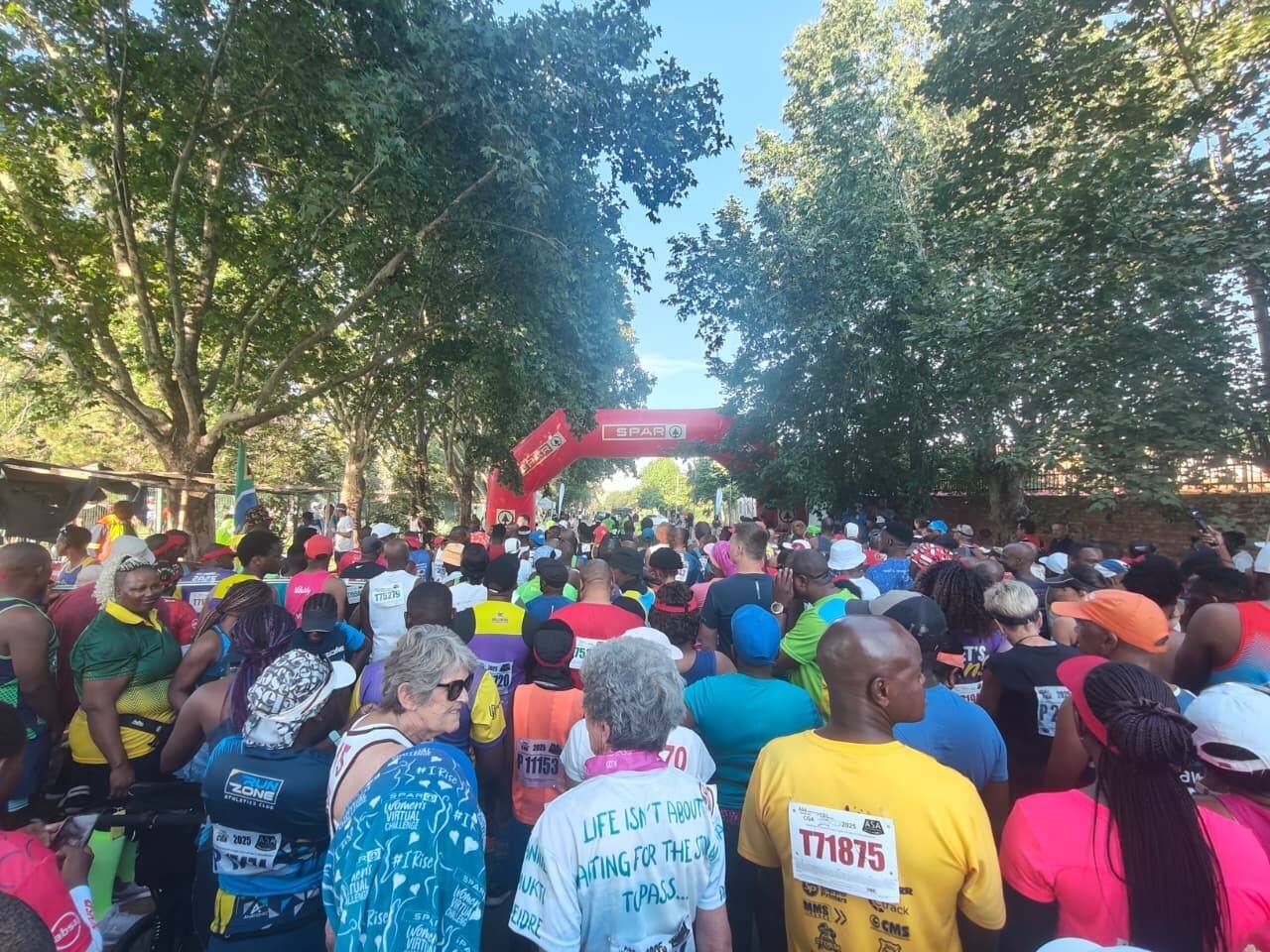
Thembisa Mile
The Thembisa Mile, Presented by Lenmed Zamokuhle Private Hospital Celebrates a 2025 Success
October 31, 2025

The Role of Acute Rehabilitation in Stroke Recovery: A Complete Patient and Family Guide

Published by SEO on October 24, 2025
Categories
  • Health Advice
  • Stroke & Heart Disease
Tags
Acute Rehabilitation in Stroke Recovery

Acute Rehabilitation in Stroke Recovery

Acute Rehabilitation in Stroke Recovery

The Role of Acute Rehabilitation in Stroke Recovery: A Complete Patient and Family Guide

A stroke can change a person’s life in a matter of moments. It is one of the leading causes of long-term disability worldwide, yet advances in medical science show that early, structured rehabilitation can significantly improve outcomes. Acute rehabilitation after stroke is designed to begin almost immediately after stabilisation, focusing on therapies that help patients regain independence, restore function and adapt to new challenges. This complete patient and family guide explains how acute rehabilitation works, why early intervention matters and what you can expect during and after the acute phase of recovery.


Understanding Acute Rehabilitation in Stroke Recovery

Acute rehabilitation stroke recovery refers to the intensive therapy that begins in the early days following a stroke, usually while the patient is still in the hospital. Unlike general convalescence, this stage is highly structured and personalised. It addresses both physical and cognitive impairments while preventing complications such as muscle stiffness, falls or secondary health problems.

The aim is not only to help the patient recover lost abilities but also to maximise independence through tailored stroke recovery rehabilitation therapy. The sooner this rehabilitation begins, the better the chances of improved long-term outcomes, which is why stroke rehabilitation early intervention is emphasised in modern care guidelines.


When Acute Rehabilitation Begins

The timing of rehabilitation can significantly influence recovery. In most cases, acute phase stroke rehabilitation starts within 24 to 48 hours of medical stabilisation. Once doctors are confident that a patient’s vital signs are stable and the immediate risk of complications has reduced, the rehabilitation team will initiate gentle, carefully monitored exercises.

This approach is often referred to as early intervention stroke recovery, and it has been shown to reduce hospital stay length, prevent long-term disability and improve the patient’s overall quality of life.


Therapies Included in Acute Stroke Recovery

A typical stroke rehabilitation program in the acute phase combines several therapies tailored to each patient’s needs:

Physical therapy (PT): 

Focuses on regaining mobility, improving balance and strengthening weakened muscles. Exercises may include supported walking, seated balance activities and repetitive limb movements.

Occupational therapy (OT): 

Helps patients relearn daily living skills such as eating, dressing and personal hygiene. Adaptive tools may be introduced to encourage independence.

Speech and language therapy (SLT): 

Addresses communication difficulties and swallowing issues (dysphagia) that often follow a stroke.

Neuropsychology and cognitive therapy: 

Supports memory, problem-solving and emotional adjustment, addressing post-stroke depression or anxiety.

Acute stroke recovery therapy for daily function: 

This includes practical rehabilitation in real-life environments, preparing the patient to transition safely back home.


Each therapy contributes to a holistic post-stroke rehabilitation acute care plan, ensuring progress across physical, emotional and cognitive domains.


Duration of Acute Rehabilitation

How long acute rehabilitation lasts depends on the severity of the stroke, the patient’s response to therapy and any underlying health conditions. For some, the post-stroke acute rehabilitation phase may last one to two weeks, while others may require up to a month or more of structured inpatient care. Once the acute stage concludes, patients usually transition into subacute or outpatient rehabilitation to continue progress, ensuring that recovery remains consistent over time.


Early Stroke Rehabilitation Benefits

Research consistently supports the benefits of early intervention. Some of the most important advantages of early stroke rehabilitation include:

  • Reduced risk of long-term disability
  • Faster improvement in motor skills
  • Lower rates of depression and emotional decline
  • Improved ability to perform activities of daily living
  • Greater likelihood of returning home rather than requiring long-term institutional care

The evidence is clear – starting acute stroke recovery therapy as soon as possible leads to better recovery trajectories.


Who Provides Acute Rehabilitation Care?

An integrated team of healthcare professionals works together to deliver stroke recovery rehabilitation therapy. This multidisciplinary team often includes:

  • Neurologists overseeing medical stability
  • Physiotherapists focusing on physical recovery
  • Occupational therapists guiding daily functional skills
  • Speech and language therapists addressing communication and swallowing
  • Nurses trained in post-stroke rehabilitation acute care
  • Psychologists and counsellors supporting mental health and adjustment
  • Social workers helping with discharge planning and access to resources

Families are also considered part of the care team, as their involvement directly influences patient motivation and long-term progress.


What Families Can Expect during Acute Stroke Rehab

Family members play a crucial role in recovery. During post-stroke acute rehabilitation, families may be encouraged to attend therapy sessions, learn safe transfer techniques and understand the emotional challenges their loved one faces.

Education is central – families are taught how to support exercises at home, recognise signs of complications and promote independence without overwhelming the patient. This ensures a smoother transition from hospital to home and creates a supportive environment for ongoing recovery.


How Acute Rehabilitation Improves Outcomes

The structured nature of acute rehabilitation stroke recovery accelerates functional improvements. By combining physical, occupational and cognitive therapies, patients often regain mobility and independence more quickly than with delayed rehabilitation.

Furthermore, stroke recovery rehabilitation therapy reduces the likelihood of secondary strokes, complications from immobility and the emotional decline that often follows extended inactivity. In short, early intervention is not only about physical healing – it also helps patients regain confidence and quality of life.


Life after Acute Stroke Rehabilitation

Completion of acute phase stroke rehabilitation is not the end of recovery – most patients transition to outpatient or community-based rehabilitation programs that continue building on the progress made during their hospital stay.

Patients may continue physical, occupational and speech therapies, but at reduced intensity. Some may use rehabilitation equipment at home, such as mobility aids or adaptive devices. Emotional and psychological support remain vital during this stage, as patients adjust to new routines and possible long-term limitations.


Conclusion

Acute rehabilitation is the cornerstone of effective stroke recovery. By starting early, engaging in tailored therapies and involving a multidisciplinary team alongside family support, patients can significantly improve their chances of regaining independence. The journey does not end with hospital discharge – rather, early stroke rehabilitation intervention lays the foundation for continued recovery, resilience and renewed quality of life.


Frequently Asked Questions


1. How soon after a stroke does rehabilitation begin?

Rehabilitation usually begins within 24–48 hours after the patient is stabilised.


2. What is the difference between acute and chronic stroke rehabilitation?

Acute rehabilitation focuses on the early phase immediately after stabilisation, while chronic rehabilitation occurs weeks to months later, addressing long-term recovery.


3. Can all stroke patients benefit from acute rehabilitation?

Most patients benefit, though the intensity and type of therapy depend on stroke severity, medical stability and overall health.


4. What role do families play in acute stroke rehabilitation?

Families provide emotional support, assist with therapy practice at home and help create a safe recovery environment.


5. How do doctors determine if a patient is ready for acute rehab?

Doctors assess stability, vital signs and neurological function before approving early rehabilitation.


6. What equipment is used in acute stroke rehabilitation?

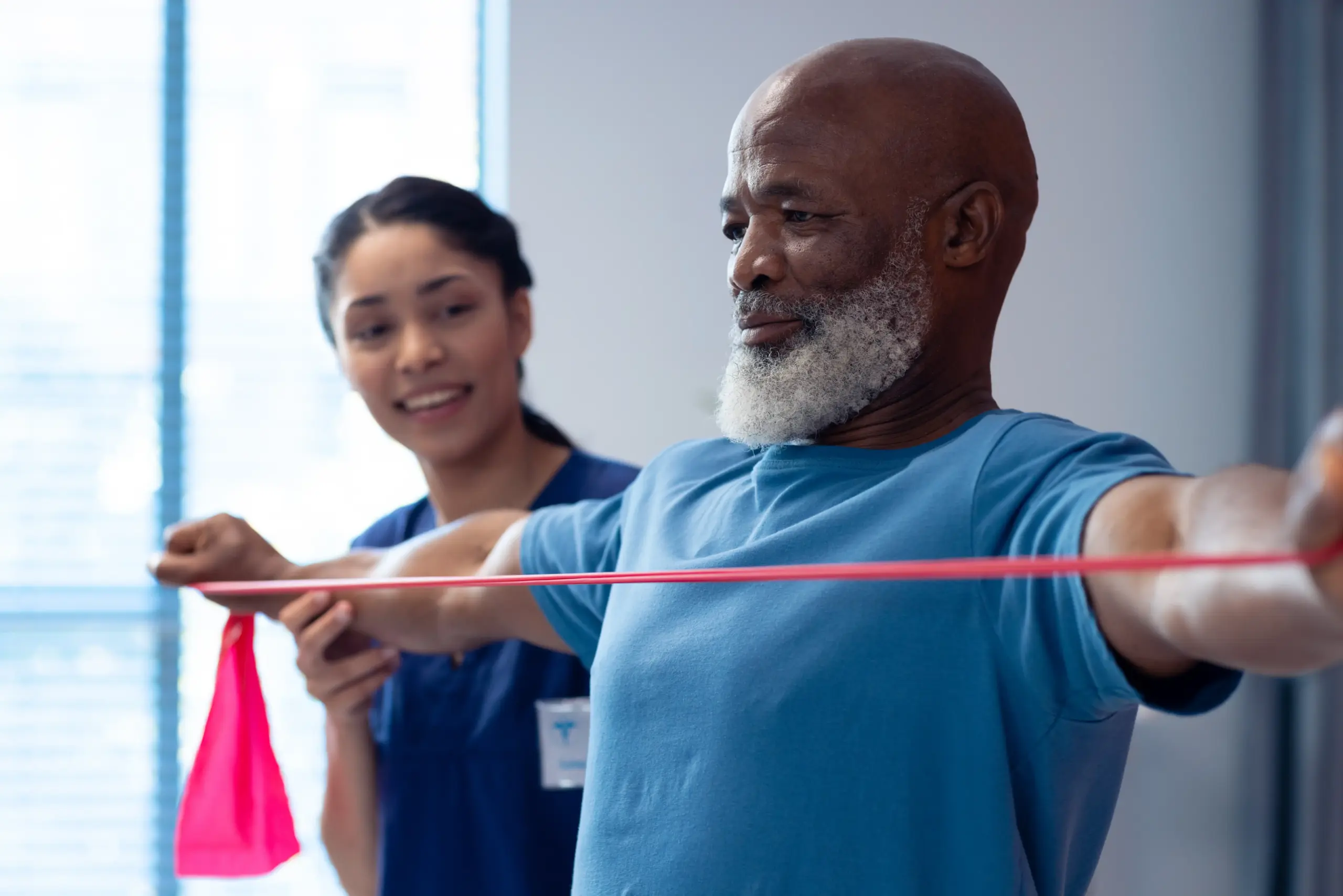
Equipment may include parallel bars, mobility aids, adaptive utensils, communication devices and therapy tools such as resistance bands.


7. How is progress measured in acute stroke rehabilitation?

Therapists track improvements in strength, coordination, speech and ability to perform daily activities.


8. What happens if a patient doesn’t respond to acute rehabilitation?

If progress is limited, care plans may be adjusted. Some patients transition to longer-term rehabilitation or supportive care focused on quality of life.


If you are looking for more information on stroke rehabilitation, contact a Lenmed neurologist [https://www.lenmed.co.za/doctors-lenmed-private-medical-centers/?wpv-doctors-disciplines=neurologist&wpv_aux_current_post_id=1892&wpv_view_count=4256] or speak to a representative from our Acute Rehabilitation Centre at Lenmed Ehthekwini Hospital and Heart Centre [https://www.lenmed.co.za/doctors-lenmed-private-medical-centers/?wpv-doctors-disciplines=rehabilitation&wpv_aux_current_post_id=1892&wpv_view_count=4256]. 


For more information, please contact:

Dr RL Naidoo

Discipline: Rehabilitation

Hospital: Acute Rehabilitation Centre

Telephone: +27 31 581 2321

Email: [email protected]

  • Find a Hospital
  • Find a Doctor
  • Find a Specialist Department
  • Health Advice
  • Lenmed News
  • Enquiries
  • Pharmaceutical Procurement
  • Annual Reports
hands holding red blood drop on gray backgrounds
CONTINUE READING >>

Blood Donation Awareness: Understanding Why Blood Donation Is Critical for Healthcare and Community

adult woman with cold using tissue indoors
CONTINUE READING >>

Cold & Flu: Complete Guide to Understanding the Difference between Cold and Flu Symptoms and Treatment

stressed woman with hands on temples at desk
CONTINUE READING >>

Critical Signs of Low Iron You Shouldn’t Ignore: Understanding Iron Deficiency Symptoms and Warning Signs

blood pressure being checked by health care provider
CONTINUE READING >>

Understanding Foods That Raise Blood Pressure: A Guide to Mindful Eating and Healthy Moderation

Find a Hospital
Find a Doctor
Patient Admissions

Lenmed Head Office

South Africa

Constantia Office Park, 2nd Floor, Building 9, Lakeview Ave, Weltevredenpark, Roodepoort, 1709

GPS: -26.1484132, 27.9270142

Dubai

Office 405 - North Tower, Emirates Financial Towers, DIFC, Dubai, UAE

GPS: 25.208798, 55.276486

Tel: +27 (0) 87 087 0600

Facebook Logo LinkedIn Logo Instagram Logo Twitter Logo
Acute Rehabilitation Centre
11 Riverhorse Road, Riverhorse Valley Business Estate, Durban
Tel:+27 (0)31 581 2400
Ahmed Kathrada Private Hospital
K43 Highway, Lenasia Ext 8, Johannesburg, Gauteng
Tel:+27 (0)87 087 0642
Beira Private Hospital
Estrada Carlos Pereira, Estoril, Beira
Tel:+258 8614 44453
Bokamoso Private Hospital
Plot 2435, Block 1, Mmopane, Along the Molepolole Road, Botswana
Tel:+267 369 4000
Daleside Day Hospital
12 Van Ryneveld Street, Wilkoppies, Klerksdorp
Tel:+27(0) 18 464 1009
Daxina Private Hospital
1682 Impala Street, Extension South, 1829, Lenasia, Johannesburg, Gauteng
Tel:+27 (0)87 087 0644
Ethekwini Hospital and Heart Centre
11 Riverhorse Drive, Riverhorse Valley Business Estate, Durban
Tel:+27(0) 31 581 2400
Howick Private Hospital
107 Main Street, Howick, 3290, KwaZulu Natal
Tel:+27 (0) 33 330 2456
Kathu Private Hospital
Frikkie Meyer Street, Kathu, 8446, Northern Cape
Tel:+27 (0)87 158 2700
La Verna Private Hospital
1 Convent Road, Ladysmith, 3370, KwaZulu Natal
Tel:+27 (0)87 087 2600
Maputo Private Hospital
Rua do Rio Inhamiara, Sommerschield II, Maputo, Mozambique
Tel:+258 84 095 7900 or +258 21 493 680
MooiMed Private Hospital
1 Chief Albert Luthuli Dr, Potchefstroom, 2531
Tel:+27(0)18 293 0802 or +27 083 591 3667
Parkmed Neuro Clinic
94 Arch Bishop Desmond Tutu St, Neserhof, Klerksdorp, 2571
Tel:+27 (0) 18 462 3072
Randfontein Private Hospital
Lister Road, Lower Ward, Street Extension, Randfontein, 1759, Gauteng
Tel:+27 (0)87 087 2700
Royal Hospital and Heart Centre
Cnr Welgevonden Street and Jacobus Smit Avenue, Royldene, Kimberley, Northern Cape
Tel:+27 (0)53 045 0350
Shifa Private Hospital
482 Randles Road, Durban, 4091
Tel:+27 (0)87 087 0641 | 031 240 5002
Sunningdale Private Hospital
12 Van Ryneveld Street, Wilkoppies, Klerksdorp
Tel:+27(0)18 462 7536
Wilmed Park Hospital and Heart Centre
Cnr Ametis & Marmer Street, Wilkoppies, 2571
Tel: +27 (0)18 468 7700
Zamokuhle Private Hospital
128 Flint Mazibuko Street, Hospital View, Tembisa, Gauteng
Tel:+27 (0)87 087 0643
Terms & Conditions | PAIA | Privacy Notice | Digital Service Policy
Share
0
SEO
SEO

Related posts

hands holding red blood drop on gray backgrounds
June 12, 2026

Blood Donation Awareness: Understanding Why Blood Donation Is Critical for Healthcare and Community


Read more
adult woman with cold using tissue indoors

Black single mother feeling sick and blowing nose while working at home.

June 12, 2026

Cold & Flu: Complete Guide to Understanding the Difference between Cold and Flu Symptoms and Treatment


Read more
stressed woman with hands on temples at desk

Stress, burnout and business black woman at night working on project, report and strategy deadline

June 12, 2026

Critical Signs of Low Iron You Shouldn’t Ignore: Understanding Iron Deficiency Symptoms and Warning Signs


Read more
We use cookies on our website to give you the most relevant experience by remembering your preferences and repeat visits. By clicking “Accept All”, you consent to the use of ALL the cookies. However, you may visit "Cookie Settings" to provide a controlled consent.
Cookie SettingsAccept
Manage consent

Privacy Overview

This website uses cookies to improve your experience while you navigate through the website. Out of these, the cookies that are categorized as necessary are stored on your browser as they are essential for the working of basic functionalities of the website. We also use third-party cookies that help us analyze and understand how you use this website. These cookies will be stored in your browser only with your consent. You also have the option to opt-out of these cookies. But opting out of some of these cookies may affect your browsing experience.
Necessary
Always Enabled
Necessary cookies are absolutely essential for the website to function properly. These cookies ensure basic functionalities and security features of the website, anonymously.
CookieDurationDescription
cookielawinfo-checkbox-analytics11 monthsThis cookie is set by GDPR Cookie Consent plugin. The cookie is used to store the user consent for the cookies in the category "Analytics".
cookielawinfo-checkbox-functional11 monthsThe cookie is set by GDPR cookie consent to record the user consent for the cookies in the category "Functional".
cookielawinfo-checkbox-necessary11 monthsThis cookie is set by GDPR Cookie Consent plugin. The cookies is used to store the user consent for the cookies in the category "Necessary".
cookielawinfo-checkbox-others11 monthsThis cookie is set by GDPR Cookie Consent plugin. The cookie is used to store the user consent for the cookies in the category "Other.
cookielawinfo-checkbox-performance11 monthsThis cookie is set by GDPR Cookie Consent plugin. The cookie is used to store the user consent for the cookies in the category "Performance".
viewed_cookie_policy11 monthsThe cookie is set by the GDPR Cookie Consent plugin and is used to store whether or not user has consented to the use of cookies. It does not store any personal data.
Functional
Functional cookies help to perform certain functionalities like sharing the content of the website on social media platforms, collect feedbacks, and other third-party features.
Performance
Performance cookies are used to understand and analyze the key performance indexes of the website which helps in delivering a better user experience for the visitors.
Analytics
Analytical cookies are used to understand how visitors interact with the website. These cookies help provide information on metrics the number of visitors, bounce rate, traffic source, etc.
Advertisement
Advertisement cookies are used to provide visitors with relevant ads and marketing campaigns. These cookies track visitors across websites and collect information to provide customized ads.
Others
Other uncategorized cookies are those that are being analyzed and have not been classified into a category as yet.
SAVE & ACCEPT