

Find a Hospital
Find a Doctor
Patient Admissions
  • Home
  • About
  • Investors
    • Directors
    • Corporate Profile
    • Financials
    • Share Trading
  • Patient Information
    • Admission Procedures
    • Guides and Brochures
    • Health Advice
    • Lenmed Baby
    • Lenmed News
    • Me Time
    • Medical Aid Designated Service Providers
  • Hospitals
    • Specialised Departments
    • Acute Rehabilitation Centre
    • Ahmed Kathrada Private Hospital
    • Beira Private Hospital
    • Bokamoso Private Hospital
    • Daleside Day Hospital
    • Daxina Private Hospital
    • Ethekwini Hospital and Heart Centre
    • Howick Private Hospital
    • Kathu Private Hospital
    • La Verna Private Hospital
    • Maputo Private Hospital
    • MooiMed Private Hospital
    • Parkmed Neuro Clinic
    • Randfontein Private Hospital
    • Royal Hospital and Heart Centre
    • Shifa Private Hospital
    • Sunningdale Private Hospital
    • Wilmed Park Hospital and Heart Centre
    • Zamokuhle Private Hospital
  • Doctors Portal
    • Opportunities
    • News Portal
    • Get in touch
    • Clinician Portal
  • Nursing College
  • Medical Tourism
  • Careers
    • Vacancies
  • Contact
Find a Hospital
Find a Doctor
Patient Admissions
  • Home
  • About
  • Investors
    • Directors
    • Corporate Profile
    • Financials
    • Share Trading
  • Patient Information
    • Admission Procedures
    • Guides and Brochures
    • Health Advice
    • Lenmed Baby
    • Lenmed News
    • Me Time
    • Medical Aid Designated Service Providers
  • Hospitals
    • Specialised Departments
    • Acute Rehabilitation Centre
    • Ahmed Kathrada Private Hospital
    • Beira Private Hospital
    • Bokamoso Private Hospital
    • Daleside Day Hospital
    • Daxina Private Hospital
    • Ethekwini Hospital and Heart Centre
    • Howick Private Hospital
    • Kathu Private Hospital
    • La Verna Private Hospital
    • Maputo Private Hospital
    • MooiMed Private Hospital
    • Parkmed Neuro Clinic
    • Randfontein Private Hospital
    • Royal Hospital and Heart Centre
    • Shifa Private Hospital
    • Sunningdale Private Hospital
    • Wilmed Park Hospital and Heart Centre
    • Zamokuhle Private Hospital
  • Doctors Portal
    • Opportunities
    • News Portal
    • Get in touch
    • Clinician Portal
  • Nursing College
  • Medical Tourism
  • Careers
    • Vacancies
  • Contact
  • Home
  • About
  • Investors
    • Directors
    • Corporate Profile
    • Financials
    • Share Trading
  • Patient Information
    • Admission Procedures
    • Guides and Brochures
    • Health Advice
    • Lenmed Baby
    • Lenmed News
    • Me Time
    • Medical Aid Designated Service Providers
  • Hospitals
    • Specialised Departments
    • Acute Rehabilitation Centre
    • Ahmed Kathrada Private Hospital
    • Beira Private Hospital
    • Bokamoso Private Hospital
    • Daleside Day Hospital
    • Daxina Private Hospital
    • Ethekwini Hospital and Heart Centre
    • Howick Private Hospital
    • Kathu Private Hospital
    • La Verna Private Hospital
    • Maputo Private Hospital
    • MooiMed Private Hospital
    • Parkmed Neuro Clinic
    • Randfontein Private Hospital
    • Royal Hospital and Heart Centre
    • Shifa Private Hospital
    • Sunningdale Private Hospital
    • Wilmed Park Hospital and Heart Centre
    • Zamokuhle Private Hospital
  • Doctors Portal
    • Opportunities
    • News Portal
    • Get in touch
    • Clinician Portal
  • Nursing College
  • Medical Tourism
  • Careers
    • Vacancies
  • Contact
Person drinking tea with other person checking forehead temperature with hand
Common Physical Symptoms Explained: When to See a Doctor and What Your Body Is Telling You
December 17, 2025
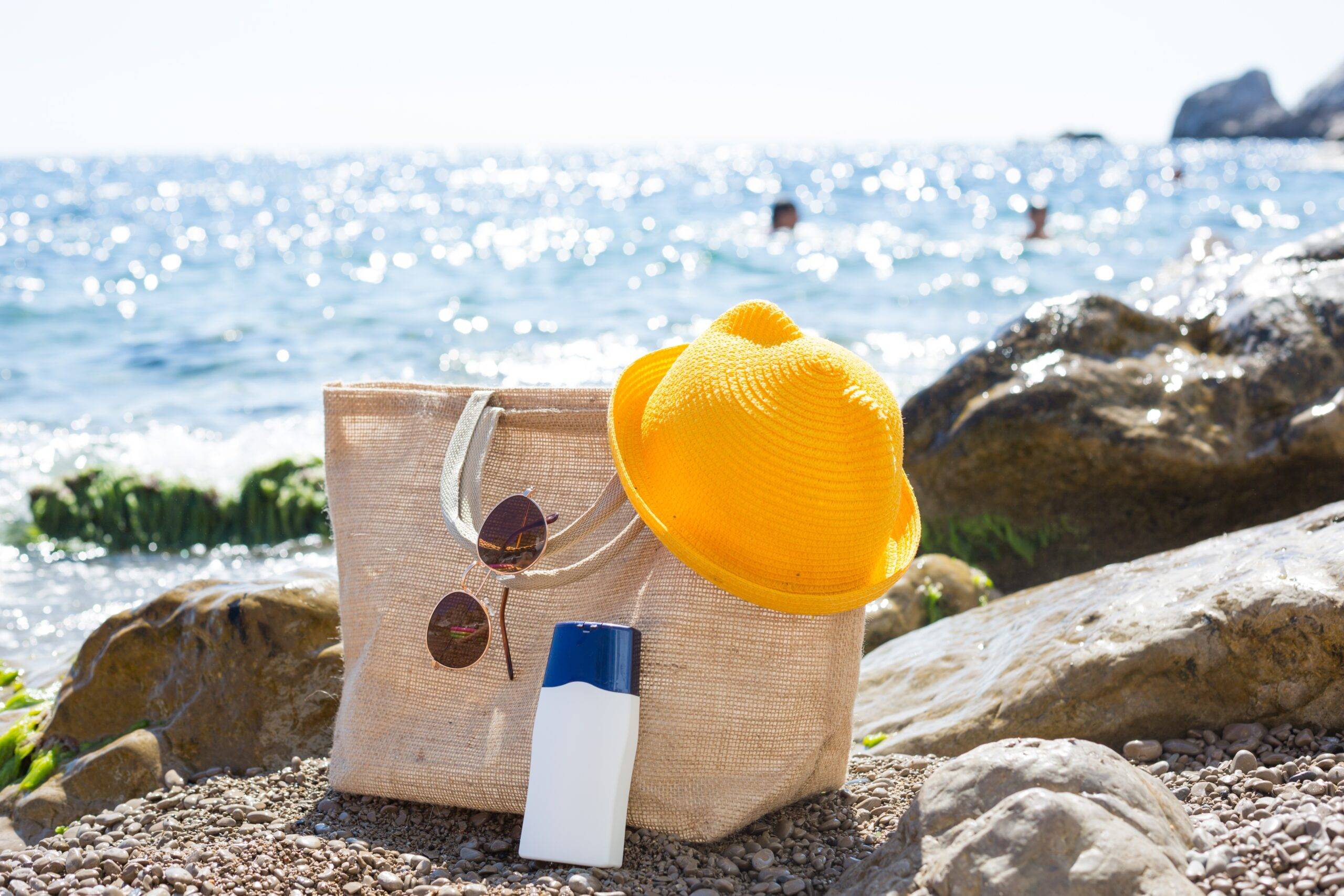
Beach bag with a white tub of suncreen on a pebble path
Ways to Stay Safe in the Sun: Your Complete Guide to UV Protection and Skin Safety
December 17, 2025

Hydration Knowledge and Tips during the Humid Months: Stay Safe and Healthy

Published by Jason on December 17, 2025
Categories
  • Health Advice
Tags
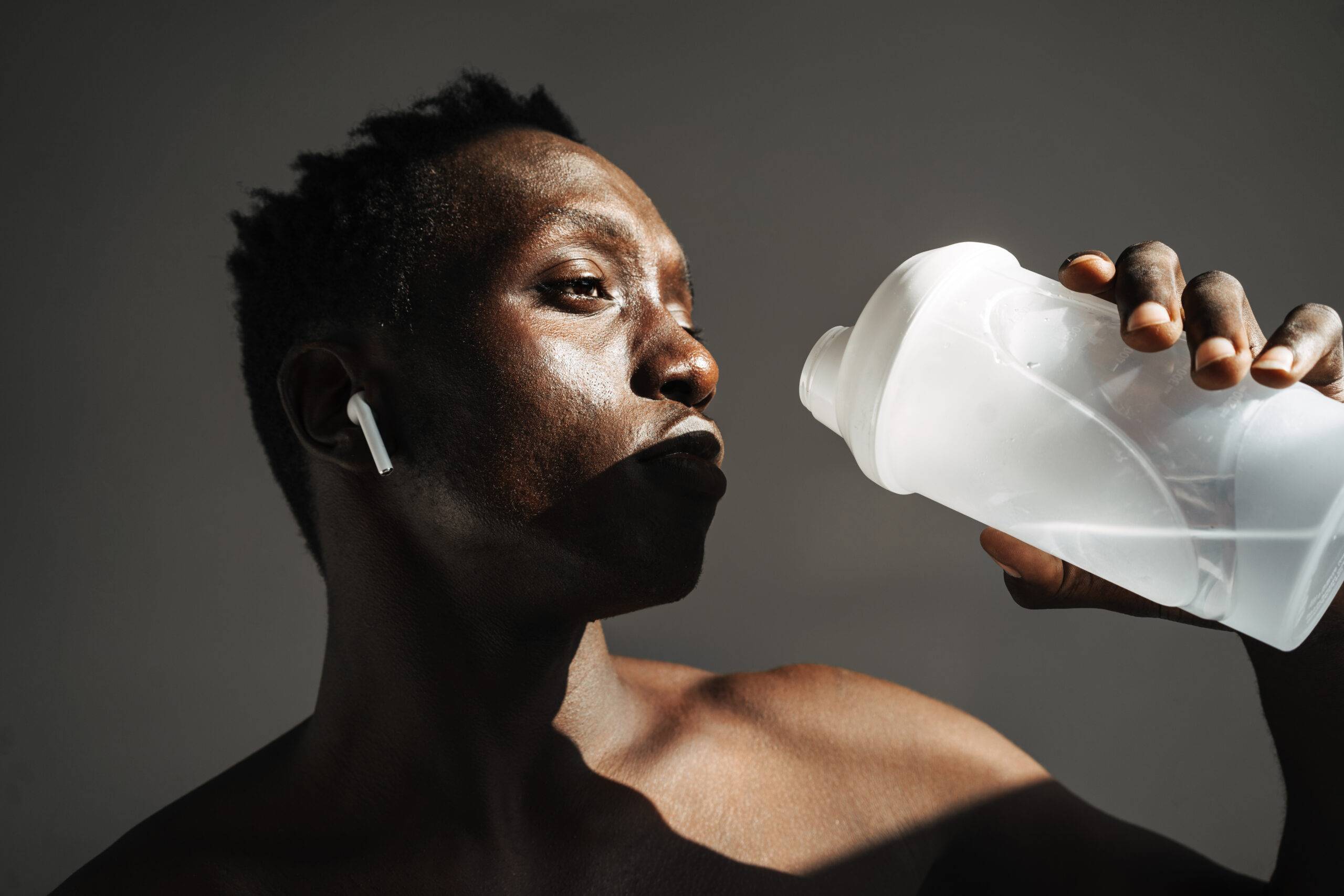
Person holding up water bottle to drink water

Shirtless african american sportsman using earphones while drinking water isolated over grey background

Person holding up water bottle to drink water

Hydration Knowledge and Tips during the Humid Months: Stay Safe and Healthy

Humidity changes the way your body handles heat, sweat and hydration. During hot and humid weather, your usual water needs may no longer be enough. Whether you live in coastal KwaZulu-Natal or the Lowveld in South Africa or anywhere in sub-Saharan Africa where summers are long, damp and heavy, understanding hydration during humid weather is essential for your health. Proper hydration for humid months helps your body regulate temperature, maintain energy levels and avoid heat-related illnesses such as heat exhaustion and dehydration.

This guide explains how humidity affects water needs, how to identify the symptoms of dehydration early, what drinks and electrolytes help most and how much water to drink in humidity. 


Why Hydration Matters More in Humid Weather

Humidity affects hydration in two key ways. First, sweat evaporates far more slowly in humid air. Evaporation is what cools your body, so when the air is saturated with moisture, your body must work harder to regulate temperature. Second, you still lose fluid through sweat, even if it is not evaporating efficiently. This can make you feel hotter and more fatigued, and your risk of dehydration increases even when you don’t feel particularly thirsty.

Because humidity makes sweating less effective as a cooling mechanism, your body may produce even more sweat in an effort to compensate. This explains why hydration during humid weather is essential, particularly during outdoor activities, exercise or long periods spent in warm environments.


How Much Water to Drink in Humidity

Water intake recommendations vary by age, lifestyle, activity level and personal health needs, but during the humid months, you should generally increase your intake. Most adults need six to eight glasses of water daily in mild conditions, but when humidity rises, the body’s water needs rise with it. For many people, a practical guideline is to add one or two extra glasses on humid days, with further adjustments if you’re physically active.

Importantly, thirst is not always a reliable indicator of hydration in humid weather. Because sweat evaporates poorly in high moisture, you may not feel as thirsty as you should. Setting regular drinking intervals – every hour or two – helps maintain hydration levels during intense heat and humidity without waiting for your body to signal distress.


Recognising the Symptoms of Dehydration

When the air is heavy with moisture, dehydration can develop gradually and sometimes silently. Early symptoms of dehydration include:

  • Dry mouth or sticky saliva
  • Feeling unusually tired or weak
  • Headaches or difficulty concentrating
  • Dizziness or light-headedness
  • Dark yellow urine
  • Reduced urination

As dehydration progresses, symptoms may worsen to rapid heartbeat, nausea, muscle cramps or confusion. Severe dehydration is a medical emergency that all individuals in humid climates should be aware of identifying and preventing.


Electrolytes and Hydration Tips

Electrolytes – minerals such as sodium, potassium, magnesium and chloride – help the body maintain fluid balance, muscle function and nerve signalling. In humid conditions, sweat loss is higher, which means electrolyte loss is also higher. This is why electrolytes and hydration tips often go hand in hand during the hottest months.

You do not always need a specialised drink –  many people can replace electrolytes through food, such as bananas, yoghurt, nuts, citrus fruits and leafy greens. However, electrolyte drinks may be beneficial for:

  • Long, intense periods of outdoor activity
  • Heavy sweating
  • Illness-related dehydration
  • Individuals prone to muscle cramps

Sports drinks designed for hydration can help, but choose options low in sugar where possible. For most people, tap water remains an excellent daily hydration choice, and electrolyte drinks can be used selectively.


Can You Drink Too Much Water during Humid Months?

Yes, over-hydration – though less common – can occur. Drinking excessive amounts of water in a short period can dilute sodium levels in the blood and cause symptoms such as headaches, nausea, confusion and, in severe cases, dangerous electrolyte imbalances. This is why water intake recommendations emphasise consistent hydration throughout the day, rather than large volumes at once. Balanced hydration, combined with regular meals, is usually sufficient for most healthy adults.


The Best Drinks for Hydration in Humid Climates

Water remains the best choice for staying hydrated in humidity. However, other hydrating options include:

  • Electrolyte-enhanced water
  • Coconut water
  • Milk (which contains natural electrolytes)
  • Herbal teas (served cold or warm)
  • Water-rich fruits blended into smoothies

Limit drinks that worsen dehydration, such as caffeinated or sugary beverages. Although coffee and tea can contribute to hydration, they should be balanced with additional water intake during very humid days.


Foods That Help with Hydration

Certain foods have naturally high water content and can support proper hydration in humid months. These include:

  • Watermelon
  • Cucumbers
  • Oranges
  • Strawberries
  • Lettuce
  • Tomatoes
  • Grapes
  • Courgettes

Adding these foods to your daily meals supports hydration during humid weather while also supplying electrolytes and nutrients that help combat fatigue.


Best Practices for Summer Hydration

While the body’s water needs vary from person to person, the following best practices for summer hydration apply broadly across humid climates:

  • Drink water before you feel thirsty to maintain stable hydration levels.
  • Carry a reusable water bottle, as it makes regular drinking easier.
  • Start the day with a glass of water, as dehydration develops overnight.
  • Drink more water during peak humidity, particularly between 10:00 and 16:00.
  • Choose water-rich foods to supplement daily fluid intake.
  • Use electrolyte drinks sensibly, especially during heavy sweating or physical exertion.
  • Wear breathable, loose clothing that allows sweat to evaporate more effectively, helping your body regulate heat.
  • Take breaks during outdoor activities, giving your body time to cool and recover.


How Humidity Affects the Body’s Water Needs

As humidity rises, the body’s cooling system relies more heavily on sweating, which increases fluid loss even when you may not notice it. This is why staying hydrated in humidity requires regular, intentional drinking habits, especially when exercising, spending prolonged time outdoors or living in coastal or tropical regions.

Your body also uses more energy to regulate temperature in humid conditions, which contributes to fatigue. Hydration supports circulation, digestion, temperature control and cognitive performance – all of which can be compromised when dehydration sets in.


Safe Hydration Practices for Exercise in Humid Weather

Exercising in humidity significantly increases heat stress. To maintain hydration levels during intense heat and humidity, consider the following:

  • Drink water 30 minutes before exercise.
  • Continue hydrating every 20 minutes during activity.
  • Choose electrolyte drinks for sessions longer than one hour.
  • Cool down gradually after exercise.
  • Avoid peak humidity periods, if possible.

Remember that sweat loss varies from person to person. Paying attention to early dehydration symptoms is key to preventing heat illness.


Conclusion

Hydration during humid weather is essential to maintaining your health, especially in sub-Saharan climates where high heat and humidity are part of everyday life. Proper hydration for humid months supports temperature regulation, prevents dehydration and reduces the risk of heat-related illnesses. Whether you’re at work, exercising, travelling or simply enjoying summer days, staying hydrated in humidity requires a balanced approach to water, electrolytes, food and rest.

Always listen to your body. If symptoms of dehydration develop or if you are concerned about heat-related illness, seek medical care promptly. When in doubt, it is safer to get professional guidance than to overlook early signs of dehydration or heat stress.


Frequently Asked Questions


How much water should I drink daily during humid months?

Most adults need at least six to eight glasses daily, with one or two extra glasses during humid weather. Increase intake further during exercise or heavy sweating.


What are the early signs I’m becoming dehydrated?

Dry mouth, dark urine, headaches, dizziness, fatigue, muscle cramps and reduced urination are early signs.


Do sports drinks work better than water in humid conditions?

Sports drinks can help replace electrolytes lost through heavy sweating, but they are not necessary for everyone. Water remains suitable for everyday hydration.


Should I increase water intake if I’m exercising in humidity?

Yes. Drink before, during and after exercise. Longer or intense sessions may require electrolyte replacement.


Can certain foods help with hydration during humid weather?

Water-rich foods like watermelon, cucumbers, tomatoes and leafy greens support hydration.


Is it possible to become over-hydrated?

Yes, drinking excessive amounts of water quickly can dilute blood sodium levels. Hydrate consistently rather than excessively.


How does age affect hydration needs during humid months?

Children and older adults are more vulnerable to dehydration and may need to drink at regular intervals, even when they don’t feel thirsty.


What’s the best way to monitor if I’m properly hydrated?

Check urine colour (pale yellow is ideal), monitor energy levels and pay attention to thirst, headaches and dizziness.


If you would like to know more about the effects of dehydration and how best to avoid them, you can ask a Lenmed general practitioner or family physician. 


For more information, please contact:

Dr L Varona
Discipline: Dermatologist
Hospital: Maputo Private Hospital
Telephone: +258 84 095 7900

AND

Dr N Chetty
Discipline: Emergency Specialist Doctor
Hospital: Ethekwini Hospital and Heart Centre
Telephone: 031 581 2402

  • Find a Hospital
  • Find a Doctor
  • Find a Specialist Department
  • Health Advice
  • Lenmed News
  • Enquiries
  • Pharmaceutical Procurement
  • Annual Reports
hands holding red blood drop on gray backgrounds
CONTINUE READING >>

Blood Donation Awareness: Understanding Why Blood Donation Is Critical for Healthcare and Community

adult woman with cold using tissue indoors
CONTINUE READING >>

Cold & Flu: Complete Guide to Understanding the Difference between Cold and Flu Symptoms and Treatment

stressed woman with hands on temples at desk
CONTINUE READING >>

Critical Signs of Low Iron You Shouldn’t Ignore: Understanding Iron Deficiency Symptoms and Warning Signs

blood pressure being checked by health care provider
CONTINUE READING >>

Understanding Foods That Raise Blood Pressure: A Guide to Mindful Eating and Healthy Moderation

Find a Hospital
Find a Doctor
Patient Admissions

Lenmed Head Office

South Africa

Constantia Office Park, 2nd Floor, Building 9, Lakeview Ave, Weltevredenpark, Roodepoort, 1709

GPS: -26.1484132, 27.9270142

Dubai

Office 405 - North Tower, Emirates Financial Towers, DIFC, Dubai, UAE

GPS: 25.208798, 55.276486

Tel: +27 (0) 87 087 0600

Facebook Logo LinkedIn Logo Instagram Logo Twitter Logo
Acute Rehabilitation Centre
11 Riverhorse Road, Riverhorse Valley Business Estate, Durban
Tel:+27 (0)31 581 2400
Ahmed Kathrada Private Hospital
K43 Highway, Lenasia Ext 8, Johannesburg, Gauteng
Tel:+27 (0)87 087 0642
Beira Private Hospital
Estrada Carlos Pereira, Estoril, Beira
Tel:+258 8614 44453
Bokamoso Private Hospital
Plot 2435, Block 1, Mmopane, Along the Molepolole Road, Botswana
Tel:+267 369 4000
Daleside Day Hospital
12 Van Ryneveld Street, Wilkoppies, Klerksdorp
Tel:+27(0) 18 464 1009
Daxina Private Hospital
1682 Impala Street, Extension South, 1829, Lenasia, Johannesburg, Gauteng
Tel:+27 (0)87 087 0644
Ethekwini Hospital and Heart Centre
11 Riverhorse Drive, Riverhorse Valley Business Estate, Durban
Tel:+27(0) 31 581 2400
Howick Private Hospital
107 Main Street, Howick, 3290, KwaZulu Natal
Tel:+27 (0) 33 330 2456
Kathu Private Hospital
Frikkie Meyer Street, Kathu, 8446, Northern Cape
Tel:+27 (0)87 158 2700
La Verna Private Hospital
1 Convent Road, Ladysmith, 3370, KwaZulu Natal
Tel:+27 (0)87 087 2600
Maputo Private Hospital
Rua do Rio Inhamiara, Sommerschield II, Maputo, Mozambique
Tel:+258 84 095 7900 or +258 21 493 680
MooiMed Private Hospital
1 Chief Albert Luthuli Dr, Potchefstroom, 2531
Tel:+27(0)18 293 0802 or +27 083 591 3667
Parkmed Neuro Clinic
94 Arch Bishop Desmond Tutu St, Neserhof, Klerksdorp, 2571
Tel:+27 (0) 18 462 3072
Randfontein Private Hospital
Lister Road, Lower Ward, Street Extension, Randfontein, 1759, Gauteng
Tel:+27 (0)87 087 2700
Royal Hospital and Heart Centre
Cnr Welgevonden Street and Jacobus Smit Avenue, Royldene, Kimberley, Northern Cape
Tel:+27 (0)53 045 0350
Shifa Private Hospital
482 Randles Road, Durban, 4091
Tel:+27 (0)87 087 0641 | 031 240 5002
Sunningdale Private Hospital
12 Van Ryneveld Street, Wilkoppies, Klerksdorp
Tel:+27(0)18 462 7536
Wilmed Park Hospital and Heart Centre
Cnr Ametis & Marmer Street, Wilkoppies, 2571
Tel: +27 (0)18 468 7700
Zamokuhle Private Hospital
128 Flint Mazibuko Street, Hospital View, Tembisa, Gauteng
Tel:+27 (0)87 087 0643
Terms & Conditions | PAIA | Privacy Notice | Digital Service Policy
Share
0
Jason
Jason

Related posts

hands holding red blood drop on gray backgrounds
June 12, 2026

Blood Donation Awareness: Understanding Why Blood Donation Is Critical for Healthcare and Community


Read more
adult woman with cold using tissue indoors

Black single mother feeling sick and blowing nose while working at home.

June 12, 2026

Cold & Flu: Complete Guide to Understanding the Difference between Cold and Flu Symptoms and Treatment


Read more
stressed woman with hands on temples at desk

Stress, burnout and business black woman at night working on project, report and strategy deadline

June 12, 2026

Critical Signs of Low Iron You Shouldn’t Ignore: Understanding Iron Deficiency Symptoms and Warning Signs


Read more
We use cookies on our website to give you the most relevant experience by remembering your preferences and repeat visits. By clicking “Accept All”, you consent to the use of ALL the cookies. However, you may visit "Cookie Settings" to provide a controlled consent.
Cookie SettingsAccept
Manage consent

Privacy Overview

This website uses cookies to improve your experience while you navigate through the website. Out of these, the cookies that are categorized as necessary are stored on your browser as they are essential for the working of basic functionalities of the website. We also use third-party cookies that help us analyze and understand how you use this website. These cookies will be stored in your browser only with your consent. You also have the option to opt-out of these cookies. But opting out of some of these cookies may affect your browsing experience.
Necessary
Always Enabled
Necessary cookies are absolutely essential for the website to function properly. These cookies ensure basic functionalities and security features of the website, anonymously.
CookieDurationDescription
cookielawinfo-checkbox-analytics11 monthsThis cookie is set by GDPR Cookie Consent plugin. The cookie is used to store the user consent for the cookies in the category "Analytics".
cookielawinfo-checkbox-functional11 monthsThe cookie is set by GDPR cookie consent to record the user consent for the cookies in the category "Functional".
cookielawinfo-checkbox-necessary11 monthsThis cookie is set by GDPR Cookie Consent plugin. The cookies is used to store the user consent for the cookies in the category "Necessary".
cookielawinfo-checkbox-others11 monthsThis cookie is set by GDPR Cookie Consent plugin. The cookie is used to store the user consent for the cookies in the category "Other.
cookielawinfo-checkbox-performance11 monthsThis cookie is set by GDPR Cookie Consent plugin. The cookie is used to store the user consent for the cookies in the category "Performance".
viewed_cookie_policy11 monthsThe cookie is set by the GDPR Cookie Consent plugin and is used to store whether or not user has consented to the use of cookies. It does not store any personal data.
Functional
Functional cookies help to perform certain functionalities like sharing the content of the website on social media platforms, collect feedbacks, and other third-party features.
Performance
Performance cookies are used to understand and analyze the key performance indexes of the website which helps in delivering a better user experience for the visitors.
Analytics
Analytical cookies are used to understand how visitors interact with the website. These cookies help provide information on metrics the number of visitors, bounce rate, traffic source, etc.
Advertisement
Advertisement cookies are used to provide visitors with relevant ads and marketing campaigns. These cookies track visitors across websites and collect information to provide customized ads.
Others
Other uncategorized cookies are those that are being analyzed and have not been classified into a category as yet.
SAVE & ACCEPT