

Hydration Knowledge and Tips during the Humid Months: Stay Safe and Healthy
December 17, 2025
Lenmed Shifa Private Hospital Invests in Advanced Neurosurgical Technology to Improve Patient Outcomes and Access to Safer, High-Precision Brain and Spine Surgery
December 17, 2025
Ways to Stay Safe in the Sun: Your Complete Guide to UV Protection and Skin Safety
Sunshine is one of South Africa’s most defining features – long, bright days and warm seasons that invite outdoor living year-round. Yet, this same climate also brings increased exposure to ultraviolet (UV) rays, which can cause skin damage, premature ageing and skin cancer. In Sub-Saharan Africa, where sunlight is both a blessing and a risk, understanding ways to stay safe in the sun is crucial for everyone, regardless of skin tone or ethnicity.
This complete protection guide, informed by Lenmed dermatologists, outlines expert sun safety tips and protection methods – from understanding SPF to recognising signs of too much sun exposure.
Understanding Sun Exposure and UV Rays
The sun emits two main types of UV rays that affect the skin: UVA and UVB. UVA rays penetrate deeply and accelerate skin ageing, while UVB rays are the main cause of sunburn and skin cancer. The UV index protection guide is a helpful tool to understand daily exposure levels – in South Africa, the UV index often exceeds 8, meaning protection is essential even on cloudy days.
How UV Exposure Affects Different Skin Tones
While people with darker skin have more melanin, which provides some natural protection, they are not immune to UV damage or skin cancer. In fact, skin cancer in darker skin tones is often diagnosed later, making it more dangerous. Lighter skin tones, meanwhile, burn more quickly and show visible sun damage sooner. Everyone, regardless of complexion, benefits from consistent UV protection.
Choosing the Right Sunscreen and SPF Protection
A high-quality sunscreen is one of the most effective ways to protect your skin from UV damage. Dermatologists recommend broad-spectrum formulations, which block both UVA and UVB rays.
When it comes to sunscreen SPF, follow this general protection guide:
- SPF 30 protects against 97% of UVB rays and is suitable for most skin tones.
- SPF 50 or higher is ideal for fair or sensitive skin or for extended outdoor activities.
- Reapply every two hours, or immediately after swimming, sweating or towel-drying.
- Use a teaspoon of sunscreen for your face and two tablespoons for your body.
Look for sunscreens with zinc oxide or titanium dioxide if you have sensitive skin, and opt for non-comedogenic formulas if you are prone to breakouts.
For darker skin tones, choose sunscreens that leave no white residue – newer formulations with sheer or tinted finishes are widely available and more comfortable for everyday use.
Sun Protection Clothing and Hats
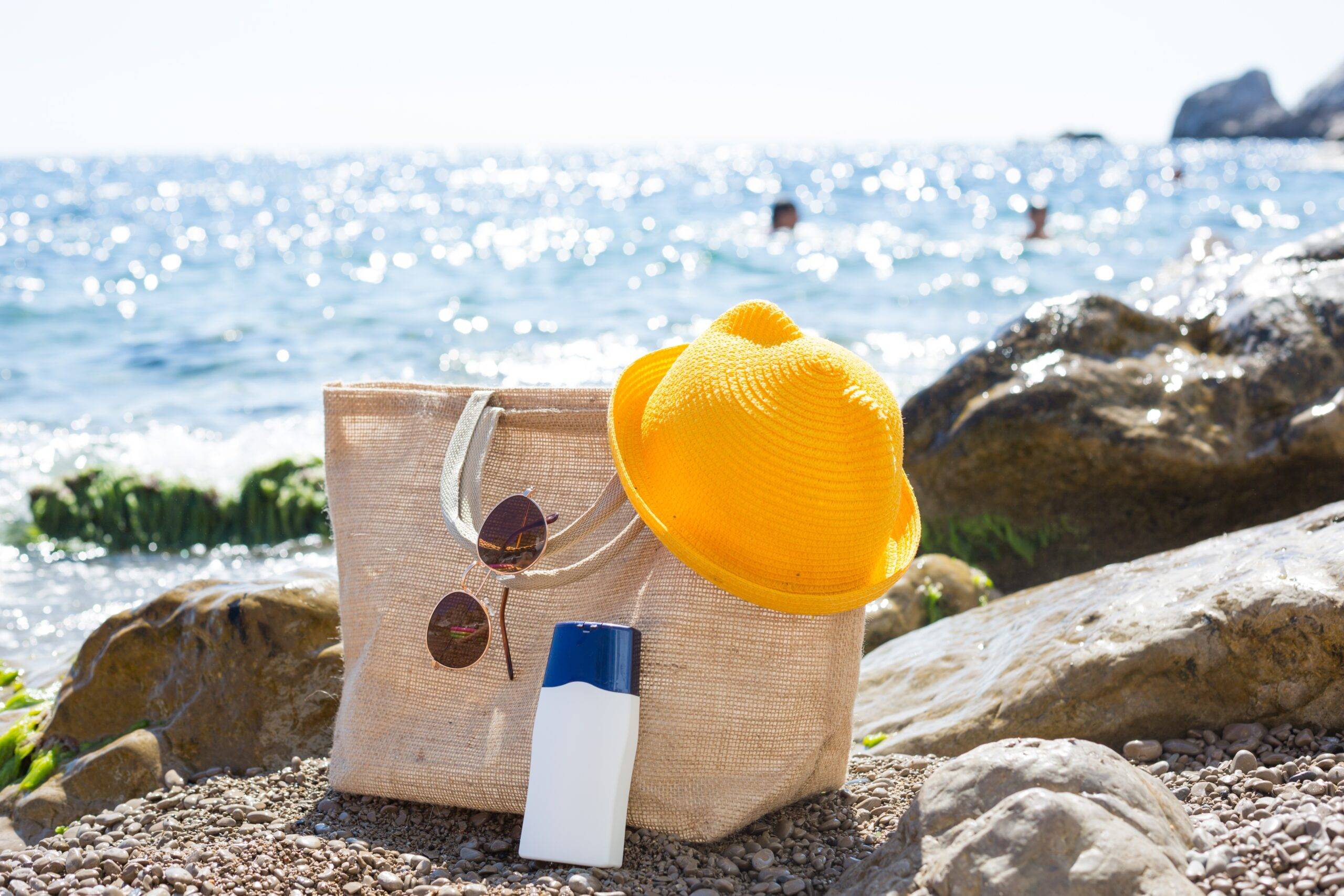
Clothing is a powerful first line of defence. Sun protection clothing and hats offer physical barriers that help reduce UV exposure significantly.
- Choose long-sleeved shirts, trousers or maxi dresses made of tightly woven fabrics.
- Opt for garments labelled with a UPF (Ultraviolet Protection Factor) rating of 50+, which blocks about 98% of UV rays.
- A wide-brimmed hat (7-10 cm) provides shade for your face, ears and neck – areas frequently affected by skin cancer.
- UV-blocking sunglasses protect your eyes and the delicate skin around them from cataracts and photo-ageing.
In hot South African weather, lightweight, breathable fabrics such as cotton, bamboo and linen offer comfort while maintaining protection.
Safe Sun Exposure and Vitamin D
Balancing safe sun exposure and vitamin D levels can be challenging. The body synthesises vitamin D through sunlight, but excessive exposure increases health risks. Experts suggest short, controlled periods of sun exposure – about 10 to 20 minutes in the early morning or late afternoon, a few times per week – are often sufficient for vitamin D production without significant skin damage.
For individuals who cover their skin for cultural or medical reasons or who spend most of their time indoors, vitamin D-rich foods (such as oily fish eggs and fortified milk) or supplements can safely maintain adequate levels.
Avoiding Peak Sun Hours
The sun’s rays are strongest between 10:00 and 16:00, when UV radiation peaks.
During these hours:
- Seek shade wherever possible.
- Schedule outdoor activities early in the morning or later in the afternoon.
- Use umbrellas, gazebos or trees for natural protection.
Even in overcast or cool weather, up to 80% of UV rays can penetrate clouds, meaning sun safety tips and protection apply every day of the year.
Preventing Sunburn and Skin Cancer
Repeated sunburn significantly increases the risk of melanoma, the most serious type of skin cancer. Symptoms of sunburn include redness, pain, swelling and in severe cases, blistering and fever.
Preventing sunburn and skin cancer involves consistent use of sunscreen, clothing protection and awareness of changes in your skin.
Watch for:
- New moles or dark spots that change in shape, size or colour.
- Sores that do not heal.
- Persistent itching or tenderness in an existing mole.
Regular skin self-checks and annual dermatology screenings can detect potential problems early.
Sun Safety for Outdoor Activities
For people who enjoy hiking, cycling, sports or gardening, UV safety during outdoor activities should become second nature:
- Apply sunscreen 30 minutes before going outside to allow full absorption.
- Use water-resistant formulas if you will be swimming or sweating.
- Keep sunscreen and a hat in your gym bag or car for impromptu outings.
- Drink plenty of water – dehydration increases sun sensitivity and fatigue.
In South Africa’s high-UV regions, sunburn can occur in as little as 15 minutes on unprotected skin, even for darker skin tones.
Natural Ways to Protect Skin from UV Rays
While sunscreen and shade remain the most reliable defences, diet and skincare can also strengthen natural protection.
- Antioxidant-rich foods, such as berries, spinach and tomatoes, help combat free-radical damage from UV exposure.
- Omega-3 fatty acids found in fish and nuts support skin barrier function.
- Topical vitamin C serums can help reduce inflammation and pigmentation caused by the sun.
These methods complement proper sun protection routines – they do not replace them.
When to Seek Medical Help
Seek immediate medical attention if you experience:
- Severe sunburn with blistering, swelling or intense pain.
- Dizziness, nausea or confusion, which may indicate heatstroke.
- Signs of infection, such as oozing or fever after sunburn.
- Any new or changing mole or lesion that looks irregular.
If you suspect sun poisoning or experience systemic symptoms after prolonged exposure, contact your nearest emergency department or dermatologist. Early assessment can prevent long-term complications.
Conclusion
Living in a sunny climate like South Africa’s requires daily mindfulness about sun exposure. By combining sun safety tips, appropriate SPF protection, protective clothing and hydration, you can enjoy the outdoors safely while protecting your long-term skin health. Remember: UV protection isn’t only for summer – it’s a year-round commitment to wellness.
Frequently Asked Questions
What SPF sunscreen should I use, and how much should I apply?
Use at least SPF 30, applying one teaspoon to your face and two tablespoons to your body.
How often should I reapply sunscreen throughout the day?
Every two hours, or more often if you sweat, swim or towel dry.
Can I get sunburned on cloudy or overcast days?
Yes. Up to 80% of UV rays pass through clouds, so sunscreen and shade are still necessary.
What clothing and accessories provide the best sun protection?
Choose UPF 50+ clothing, wide-brimmed hats and UV-blocking sunglasses. Tightly woven fabrics offer better protection.
Is it safe to be outside during peak sun hours (10:00-16:00)?
Limit outdoor activity during those times, seek shade and use strong SPF protection if unavoidable.
How can I get adequate vitamin D while staying sun-safe?
Spend short periods outdoors in early morning sunlight and include vitamin D-rich foods or supplements if advised by a doctor.
What are the warning signs that I’ve had too much sun exposure?
Redness, tenderness, dizziness or peeling skin indicate overexposure. Persistent fatigue or fever suggests possible heat exhaustion.
Are there differences in sun protection needs for children versus adults?
Yes. Children’s skin is more sensitive. Use SPF 50+ sunscreen, reapply frequently and ensure protective clothing and hats at all times.
If you would like to know more about the sun’s effect on your skin and how best to protect yourself from sun damage, book a consultation with a Lenmed dermatologist or speak to your Lenmed general practitioner or family physician, who will guide you further.
For more information, please contact:
Dr L Varona
Discipline: Dermatologist
Hospital: Maputo Private Hospital
Telephone: +258 84 095 7900






Jason