

Glaucoma Awareness: Understanding the Silent Threat to Your Vision
February 27, 2026
Wilmed Park Hospital and Heart Centre Launches Advanced Electrophysiology Services in the North West
March 25, 2026
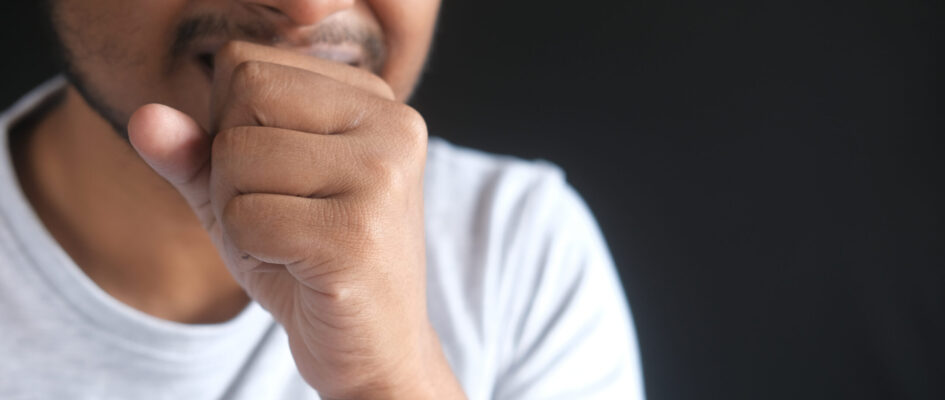
Tuberculosis: Early Signs, Testing and Treatment – Your Complete Guide to TB Care
Tuberculosis (TB) remains one of the most significant public health challenges in Southern Africa. Despite global efforts to control it, TB continues to affect millions of people, including those in South Africa. Understanding what TB is and how it impacts the body, along with recognising early signs and knowing when and how to get tested, are essential steps in protecting your health and the health of those around you. Early detection and proper treatment save lives and reduce the spread of this contagious disease.
What Is Tuberculosis?
TB is a bacterial infection caused by Mycobacterium tuberculosis. It primarily affects the lungs, although it can target other parts of the body, including the kidneys, spine and brain. When TB affects the lungs, it is referred to as pulmonary TB, which is the most common and contagious form. TB that affects other organs is called extrapulmonary TB.
TB spreads through airborne droplets when someone with active pulmonary TB coughs, sneezes, speaks or even sings. Because the bacteria can remain suspended in the air, TB is highly transmissible in crowded or poorly ventilated environments. This is particularly relevant in parts of Southern Africa, where high population density, shared living spaces and limited healthcare access increase the risk of infection.
It’s important to understand that not everyone exposed to TB bacteria will become sick. TB infection exists on a spectrum:
- Latent TB infection (LTBI): The bacteria are in the body but inactive. People with latent TB do not feel ill and cannot spread the disease, but they are at risk of developing active TB later.
- Active TB disease: The bacteria become active, causing illness and potentially spreading to others.
How Tuberculosis Affects the Body
Once TB bacteria enter the body, they typically settle in the lungs. The immune system tries to contain the infection by forming clusters called granulomas, which trap the bacteria. In some cases, the immune response successfully keeps the bacteria dormant, resulting in latent TB. However, if the bacteria overcome the immune system, they multiply and cause active disease.
Active TB in the lungs damages tissue and airways, leading to symptoms such as persistent coughing, chest pain and coughing up blood in severe cases. Extrapulmonary TB can affect the kidneys, bones, lymph nodes or brain, causing organ-specific symptoms such as back pain, neurological deficits or swelling in the lymph nodes.
If untreated, TB can be life-threatening. The bacteria consume nutrients and weaken the immune system, leaving the body vulnerable to other infections. Additionally, TB can contribute to weight loss, fatigue and chronic respiratory problems.
Early Signs and Symptoms of Tuberculosis
Recognising TB early is crucial, especially because its initial symptoms can be subtle or resemble other common illnesses. Key signs to look out for include:
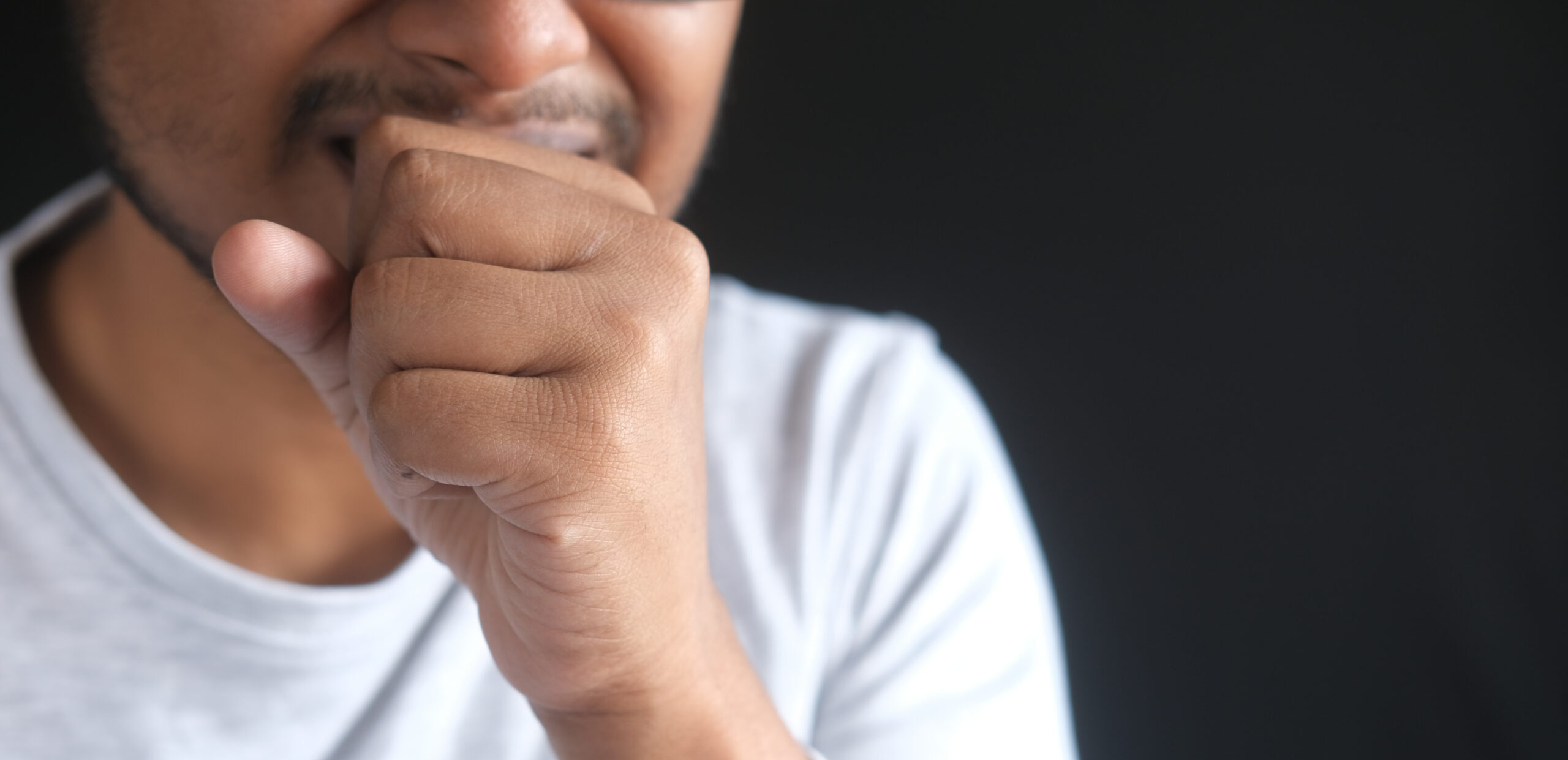
- Persistent cough lasting two weeks or more, sometimes with blood-streaked sputum.
- Unexplained weight loss or loss of appetite.
- Fever, often low-grade and occurring in the evenings.
- Night sweats that drench sleepwear or bedding.
- Fatigue or weakness, which may appear gradually.
- Chest pain or discomfort while breathing or coughing.
- Shortness of breath in more advanced cases.
For extrapulmonary TB, symptoms vary depending on the affected organ. For instance, TB in the spine can cause back pain, while TB affecting the kidneys may result in blood in urine. It is essential to consult a healthcare professional if any persistent or unexplained symptoms occur.
Who Is at Risk?
Certain factors increase the likelihood of developing TB, particularly in Southern Africa:
- People with weakened immune systems, including individuals living with HIV, diabetes or malnutrition.
- Close contact with someone who has active TB, such as family members, roommates or healthcare workers.
- Living in crowded or poorly ventilated spaces, including informal settlements, communal housing or refugee centres.
- Age extremes, as very young children and older adults have more vulnerable immune systems.
- Previous TB infection or incomplete treatment, which increases the risk of recurrence.
HIV infection remains the strongest risk factor in Southern Africa, where the prevalence of TB-HIV co-infection is high. People living with HIV are far more likely to develop active TB if exposed to the bacteria, making awareness, testing and preventive measures particularly vital.
Tuberculosis Testing and Diagnosis
If you suspect TB or have risk factors, testing is essential. Early diagnosis improves treatment outcomes and reduces transmission. Healthcare professionals use several methods to diagnose TB:
- Tuberculin skin test (TST): Also known as the Mantoux test, a small amount of TB protein is injected under the skin. If the immune system reacts, it indicates exposure to TB bacteria.
- Interferon-gamma release assays (IGRAs): Blood tests that detect immune responses to TB bacteria, useful for individuals who have received the BCG vaccine.
- Sputum tests: Microscopic examination and culture of sputum samples can confirm active pulmonary TB and identify drug resistance.
- Chest X-rays: Imaging can reveal lung damage or abnormalities associated with TB.
- Other organ-specific tests: Depending on symptoms, tests may include urine samples, biopsies or scans to detect extrapulmonary TB.
Testing should be carried out in a healthcare facility with trained professionals. Early testing is particularly important for high-risk groups, including people living with HIV, close contacts of TB patients and those experiencing persistent symptoms.
Treatment of Tuberculosis
TB treatment requires a strict regimen of antibiotics over several months. Standard first-line treatment for drug-sensitive TB usually lasts six months and includes medications such as isoniazid, rifampicin, pyrazinamide and ethambutol. Adhering to the full course is crucial, even if symptoms improve quickly, to prevent relapse or drug-resistant TB.
Drug-resistant TB, including multidrug-resistant TB (MDR-TB) and extensively drug-resistant TB (XDR-TB), requires longer and more complex treatment. Specialised drugs and longer durations (up to 18–24 months) may be necessary, often under close supervision by healthcare professionals.
Supportive care is equally important during treatment. Nutritional support, regular follow-up and monitoring for side effects can improve recovery and reduce complications. Patients are also advised to take precautions to prevent spreading TB to others, such as covering coughs, ensuring good ventilation and following medical guidance on isolation if needed.
Preventing Tuberculosis
While TB can affect anyone, several measures can reduce your risk:
- Vaccination: The BCG vaccine provides protection against severe forms of TB in children, although its effectiveness in adults is limited.
- Early detection and treatment of latent TB: Identifying latent infections in high-risk groups can prevent progression to active disease.
- Good ventilation: Ensuring airflow in living and working spaces reduces airborne transmission.
- Infection control: Covering the mouth when coughing or sneezing, wearing masks if you have active TB and following healthcare advice.
- Regular health check-ups: Particularly for people with HIV or other immunocompromising conditions.
Education and awareness are also key. Knowing the symptoms and risk factors allows individuals to seek timely testing and treatment, ultimately reducing the spread of TB in communities.
Tuberculosis in Southern Africa
Southern Africa has some of the highest TB incidence rates globally. According to the World Health Organisation, South Africa remains among the top countries with TB cases. Factors contributing to this include the high prevalence of HIV, limited access to healthcare in rural areas, socio-economic challenges and crowded living conditions.
Efforts by governments and healthcare organisations focus on early detection, free TB testing and treatment, public awareness campaigns and integrating TB care with HIV services. Despite these measures, personal awareness and proactive health practices remain vital.
When to Seek Medical Help
Early consultation with a healthcare provider is critical if you experience persistent symptoms such as cough lasting more than two weeks, unexplained weight loss, night sweats or fever. Immediate attention is necessary if there are signs of severe illness, such as coughing up blood, sudden shortness of breath or severe fatigue. Timely diagnosis allows for prompt treatment, improves recovery and reduces the risk of infecting others.
Living with Tuberculosis
A TB diagnosis can be daunting, but with proper treatment, the prognosis is generally good. Most people respond well to first-line antibiotics, and the majority achieve full recovery. Adhering to medical advice, completing the full course of treatment and maintaining good nutrition and supportive care are critical. Patients should also remain in contact with healthcare providers throughout treatment to monitor progress and manage side effects.
Support networks, including family, friends and community programmes, can play a valuable role in adherence and mental well-being. Reducing stigma around TB encourages individuals to seek care promptly, which benefits both the patient and the broader community.
Key Takeaways
- TB is a contagious bacterial infection that primarily affects the lungs but can impact other organs.
- Early detection and treatment are essential to prevent severe illness and transmission.
- Symptoms can be subtle at first, including persistent cough, fever, weight loss, night sweats and fatigue.
- Risk factors in Southern Africa include HIV, crowded living conditions, age and close contact with TB patients.
- Testing and diagnosis are available through skin tests, blood tests, sputum analysis and imaging.
- Treatment requires a full course of antibiotics, with strict adherence to prevent drug resistance.
- Preventive measures, including vaccination, proper ventilation, infection control and health check-ups, reduce risk.
- Seek medical attention for persistent, severe or unexplained symptoms.
By understanding TB, its symptoms, testing and treatment, individuals in Southern Africa can protect themselves and their communities. Awareness, early intervention and adherence to treatment save lives and help curb the spread of this serious disease.
Frequently Asked Questions
- What are the early signs of tuberculosis I should watch for?
A cough that lasts more than two weeks, chest pain, coughing up blood, tiredness, night sweats, fever and unexplained weight loss are common early signs. If these symptoms do not go away, get checked by your healthcare provider.
- How is tuberculosis diagnosed in South Africa?
Doctors usually test a sample of your mucus from a deep cough. You may also have a chest X-ray or other lab tests to confirm whether TB bacteria are present.
- What’s the difference between latent and active tuberculosis?
Latent TB means the bacteria are in your body but not causing symptoms and you are not contagious. Active TB means you are sick, have symptoms and can spread the infection to others.
- How long does tuberculosis treatment take, and what does it involve?
TB treatment typically lasts at least six months. It involves taking a combination of antibiotics every day to kill the bacteria completely and prevent drug resistance. Some forms of drug-resistant TB require longer treatment with additional medications. Regular clinic visits are important so healthcare providers can monitor progress and manage any side effects. Completing the full course of medication is essential, even if symptoms improve early.
- Can tuberculosis be completely cured?
Yes. Tuberculosis can be cured when it is diagnosed early and treated correctly. Most people with drug-sensitive TB recover fully if they complete their full treatment plan. Stopping treatment too soon can cause the infection to return and may lead to drug-resistant TB, which is more difficult to treat.
- Who should get tested for tuberculosis in South Africa?
Anyone with a persistent cough lasting more than two weeks should be tested. Testing is also important for people who have been in close contact with someone diagnosed with TB, individuals living with HIV, those with weakened immune systems, healthcare workers and people living or working in crowded environments. Early testing helps prevent spread and improves treatment outcomes.
- How is tuberculosis spread, and how can I protect myself?
TB spreads through the air when a person with active lung TB coughs, sneezes, laughs or talks. Inhaling these droplets over time can lead to infection. Protection involves ensuring good ventilation in homes and workplaces, covering the mouth when coughing, wearing masks in high-risk settings and seeking medical care early if symptoms develop. Completing treatment quickly reduces the risk of spreading TB to others.
- What happens if tuberculosis goes untreated?
Untreated TB can cause serious and permanent damage to the lungs and may spread to other parts of the body, including the brain, spine and kidneys. The illness can become life-threatening and continues to spread to others in the community. Early diagnosis and proper treatment greatly reduce complications and help stop transmission.
For more information on tuberculosis, TB screening and ways to keep your family safe, contact a Lenmed general practitioner or family physician, or get a referral to a Lenmed pulmanologist.
For more information, please contact:
Dr M Tholo
Discipline: Physician (Internal Medicine)
Hospital: Zamokuhle Private Hospital
Telephone: +27 11 923 7855
Email: matladi.tholo@gmail.com



Jason