
World Malaria Day: Malaria in Africa – Travel Risks and Prevention Tips
April 8, 2026
Winter Immunity: Discover Natural Ways and Foods to Support Immune Function as Seasons Change
May 13, 2026
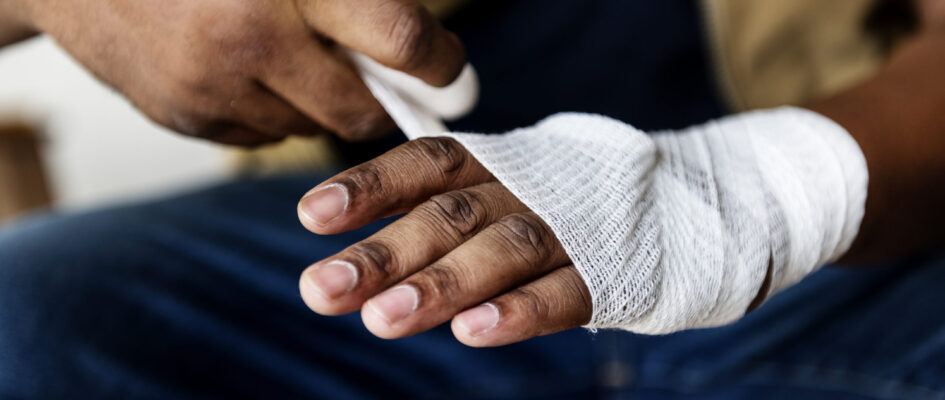
Burns Awareness Week: Complete Guide to Different Types of Burns and Essential Treatment Methods
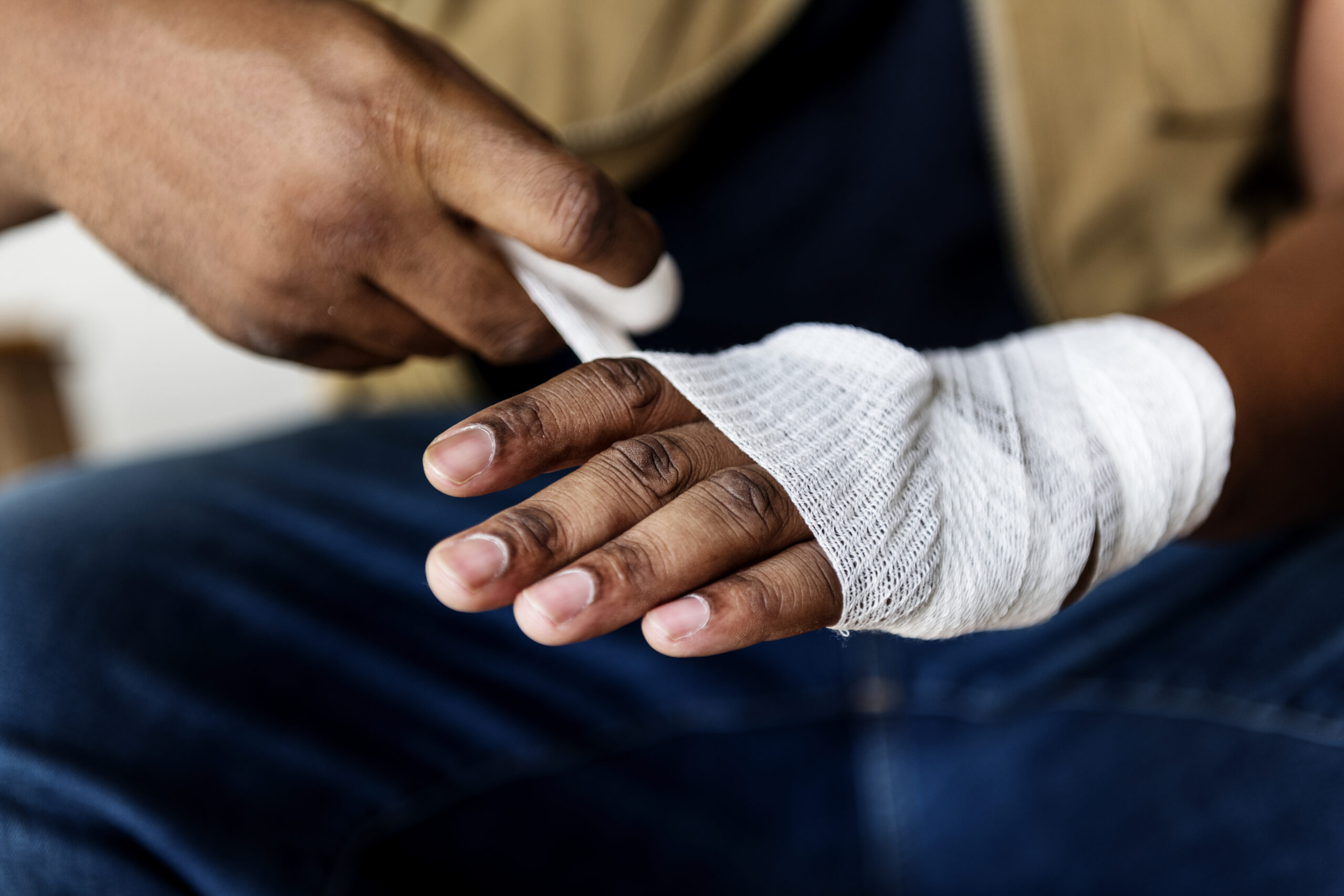
Burn injuries are among the most common household and workplace accidents, ranging from minor scalds to serious injuries that require urgent medical care. Early and appropriate burn care significantly reduces complications, scarring and long-term disability. During Burns Awareness Week, the focus is on educating individuals and families about the different types of burns, how they occur and, most importantly, how to respond effectively.
Understanding burn treatment methods, knowing what to do immediately after a burn and recognising when to seek medical attention can make a significant difference in recovery outcomes. With the right knowledge, many burn injuries can be managed safely, while more serious cases can be identified early and treated appropriately.
What Is a Burn Injury?
A burn is damage to the skin or underlying tissue caused by heat, chemicals, electricity, radiation or friction. The skin acts as the body’s protective barrier, so when it is damaged, the risk of infection, fluid loss and complications increases.
Burns can vary widely in severity, depending on the cause, depth and size of the injury. Effective burn care management begins with understanding both the type and severity of the burn.
The Different Types of Burns
Burns are classified based on their cause. Each type requires slightly different burns first aid treatment and care.
Thermal Burns
Thermal burns are the most common type and are caused by heat sources such as hot liquids, steam, flames or hot surfaces.
Examples include:
- Scalds from boiling water or hot beverages
- Burns from cooking appliances or fires
- Contact with hot objects like irons or stovetops
Immediate thermal burns treatment focuses on cooling the area and protecting the skin.
Chemical Burns
Chemical burns occur when the skin comes into contact with harsh substances such as cleaning products, acids or industrial chemicals.
Common causes include:
- Household cleaning agents
- Pool chemicals
- Strong detergents or solvents
Proper chemical burns first aid involves quickly removing the chemical and rinsing the affected area thoroughly with clean water.
Electrical Burns
Electrical burns result from contact with an electrical current. These injuries can be more serious than they appear because damage may occur beneath the skin.
They may be caused by:
- Faulty appliances
- Exposed wiring
- High-voltage electrical sources
All electrical burns require medical evaluation, even if minor. Even low-voltage injuries can be dangerous.
Radiation Burns
Radiation burns are caused by prolonged exposure to ultraviolet (UV) rays, most commonly from the sun. Sunburn is the most familiar example.
While often mild, repeated exposure can lead to long-term skin damage and increase the risk of skin cancer.
Friction Burns
Friction burns occur when skin is rubbed forcefully against a surface, causing both abrasion and heat injury.
These are common in:
- Road accidents
- Sports injuries
- Falls on rough surfaces
Understanding Burn Depth
Burns are also classified by how deeply they affect the skin.
Superficial Burns (First-Degree Burns)
These are mild burns that affect only the outer layer of skin.
Signs include:
- Redness
Mild swelling - Pain
They typically heal within a few days without scarring.
Partial Thickness Burns (Second-Degree Burns)
These burns affect deeper layers of the skin.
Symptoms may include:
- Blisters
Intense pain - Swelling
- Red or patchy skin
Healing may take several weeks, depending on the severity.
Full Thickness Burns (Third-Degree Burns)
These are severe burns that damage all layers of the skin and possibly underlying tissue.
Signs include:
- White, charred or leathery skin
- Reduced pain due to nerve damage
- Significant tissue damage
These burns require urgent medical attention and specialised care.
Immediate Burns First Aid Treatment
Quick and correct action can reduce the severity of a burn and support healing.
For most minor burns, first aid treatment includes:
- Cool the burn immediately
Cool the burn under running water for at least 20 minutes. This helps reduce heat and prevent further damage. - Remove tight items
Gently remove jewellery, watches or tight clothing before swelling begins. - Cover the burn
Use a clean, non-stick dressing or cloth to protect the area. - Avoid applying harmful substances
Do not apply butter, oil, toothpaste or ice directly to the burn, as these can worsen the injury.
Treating Minor Burns at Home
Minor burns can often be managed safely at home with proper care.
After cooling and covering the burn:
- Keep the area clean and dry
- Change dressings regularly
- Use recommended over-the-counter pain relief if needed
- Avoid breaking blisters
Healing time varies, but most minor burns improve within a few days to two weeks.
Special Care for Chemical Burns
For chemical burns first aid, immediate action is critical.
- Remove any contaminated clothing carefully
- Rinse the affected area with running water for at least 20 minutes
- Avoid using neutralising chemicals unless directed by a healthcare professional
Seek medical advice if the burn is severe, painful or involves sensitive areas such as the eyes or face.
Managing Electrical Burns
Electrical burns can be deceptive. Even small entry or exit wounds may indicate deeper internal injury.
If someone has suffered an electrical burn:
- Ensure the power source is switched off before touching the person
- Call for medical help immediately
- Monitor for breathing or heart irregularities
Professional medical assessment is essential for proper electrical burns care.
When to Seek Medical Attention
Not all burns can be treated at home. Medical care should be sought if:
- The burn is deep or larger than the palm of your hand
- The face, hands, feet, joints or genitals are affected
- There are signs of infection, such as increasing redness, swelling, pus or fever
- The burn is caused by chemicals or electricity
- Pain is severe or worsening
Early intervention can prevent complications and improve recovery.
Recognising Signs of Infection
Burn wounds are at high risk of infection if not properly cared for.
Warning signs include:
- Increased redness or swelling
- Warmth around the wound
- Pus or unusual discharge
- Fever
- Increased pain
If any of these symptoms develop, medical advice should be sought promptly.
Healing Time and Recovery
The time it takes for burns to heal depends on the type and severity:
- Mild burns may heal within a few days
- Moderate burns may take several weeks
- Severe burns may require long-term treatment, rehabilitation or surgery
Proper burn care management supports faster healing and reduces the risk of complications.
Burn Injury Prevention at Home
Of course, when it comes to burns, prevention is one of the most effective ways to avoid injury.
Children under the age of five are the most at risk of burns in the home – the main culprit being hot water, especially during bathtime or when adults are preparing food. Burns are often more serious injuries in children than adults due to their thinner and more delicate skin.
Simple burn injury prevention measures for everyone include:
- Keeping hot liquids and foods out of reach of children
- Turning pot handles inward on the stove
- Testing bath water temperature before use
- Storing chemicals safely and out of reach
- Ensuring electrical appliances are in good condition
- Using protective gear when handling heat or chemicals
Awareness and small daily precautions can significantly reduce risk.
What You Should Never Do When Treating Burns
Certain common myths can worsen burn injuries.
Avoid the following:
- Do not apply ice directly to a burn
- Do not use butter, oil or home remedies
- Do not burst blisters
- Do not cover burns with dirty or fluffy materials
- Do not delay medical care for serious burns
Following proper burn treatment methods ensures safer and more effective recovery.
Conclusion
Burn injuries can happen quickly and unexpectedly, but knowing how to respond can make all the difference. From understanding the different types of burns to applying correct burns first aid treatment, being informed empowers individuals to act confidently in emergencies.
During Burns Awareness Week, the message is clear: prevention, early action and appropriate care save skin, reduce complications and support recovery.
By practising safe habits, maintaining awareness and knowing when to seek help, households can significantly reduce the impact of burn injuries and protect the well-being of everyone at home.
Frequently Asked Questions
- What are the main types of burns, and how are they classified?
Burns are classified by depth: superficial burns affect only the outer skin layer (epidermis), causing redness and pain; partial thickness burns penetrate deeper layers, creating blisters and intense pain; full thickness burns destroy all skin layers, appearing white or charred with little pain due to nerve damage. Burns are also classified by cause: thermal (heat), chemical, electrical and radiation burns. - How should I treat a minor burn at home?
For minor first-degree burns: immediately cool the burn with cool (not ice-cold) running water for at least 20 minutes, gently pat dry, apply moisturising lotion only if the skin is intact, use simple analgesia such as paracetamol if needed for pain and keep the burn clean and dry. Cover with loose, non-stick bandage if needed. Never use ice, butter or home remedies like toothpaste, which can worsen injury. - When should I seek immediate medical attention for a burn?
Seek emergency care for: burns larger than the patient’s palm, third-degree burns (white, charred or leathery appearance), burns on face, hands, feet or genitals, chemical or electrical burns, burns with signs of infection (increased pain, fever, pus, red streaking) or any burn in children, the elderly or people with medical conditions. When in doubt, seek professional medical evaluation. - How do I safely treat chemical burns?
For chemical burns, immediately remove contaminated clothing and jewellery, flush the area with large amounts of cool running water for at least 20 minutes, do not try to neutralise the chemical, remove contact lenses if chemicals splash in eyes (while flushing) and seek immediate medical attention. Never delay irrigation to identify the chemical – continuous flushing is the priority. - What makes electrical burns particularly dangerous?
Electrical burns often cause more internal damage than visible external injury because electricity travels through the body, potentially damaging organs, muscles and nerves. External burns may appear minor while serious internal injuries exist. Always seek immediate medical attention for electrical burns, even if they seem small, as complications can include heart rhythm abnormalities and internal organ damage. - How can I prevent burns in my home, especially with children?
Prevention strategies include installing smoke detectors, keeping hot liquids away from table edges, using stove guards and oven locks, setting water heaters below 50°C, storing chemicals safely, covering electrical outlets, teaching children about burn dangers and having escape plans. Most burn injuries are preventable with proper safety measures and awareness. - What are the signs that a burn is becoming infected?
Infection signs include increased pain after initial improvement, fever, red streaking from the burn site, increased swelling, pus or yellow/green discharge, foul smell, delayed healing or worsening appearance. Infected burns require prompt antibiotic treatment. Children, the elderly and immunocompromised individuals have a higher infection risk and should be monitored closely. - What should I never do when treating burns?
Never apply ice, butter, oils or home remedies like egg whites or toothpaste to burns. Don’t pop blisters, remove clothing stuck to burns, use cotton wool directly on burns or delay medical care for serious burns. These actions can worsen injury, increase infection risk or delay proper healing. Always prioritise cooling with water and seeking appropriate medical care.
If you or someone you know has suffered a recent minor burn that isn’t healing, make sure to contact a healthcare provider, such as a Lenmed general practitioner, family physician or dermatologist. Burns, especially severe burns, are medical emergencies and necessitate urgent care. In case of an emergency, go to your nearest emergency department, such as a Lenmed hospital.
For more information, please contact:
Discipline: Plastic & Reconstructive Surgeon
Hospital: Royal Hospital and Heart Centre
Telephone: +27 60 982 4298
Email: info@steynplasticsurgery.co.za
And
Discipline: Paediatric Surgeon
Hospital: Ahmed Kathrada Private Hospital
Telephone: +27 (0) 87 087 9335 / +27 (0) 87 087 9336
Email: patelpaedsurg@gmail.com
And
Sr Mosweu
Discipline: Wound specialist
Hospital: Zamokuhle Private Hospital
Telephone: +27 11 923 7737
Email: Maletsatsimosweu@icloud.com




Lauren Macindoe