
Lenmed Acute Rehabilitation Centre Celebrates One Year of Restoring Lives and Independence
April 8, 2026
Burns Awareness Week: Complete Guide to Different Types of Burns and Essential Treatment Methods
May 8, 2026

World Malaria Day: Malaria in Africa – Travel Risks and Prevention Tips
Each year on 25 April, the global health community observes World Malaria Day to raise awareness about one of the world’s most persistent infectious diseases. Despite decades of progress in prevention and treatment, malaria remains a major public health challenge, particularly across Africa.
For residents, travellers and healthcare providers alike, malaria awareness is essential. Millions of people visit African countries every year, and while the continent offers extraordinary cultural experiences, wildlife and landscapes, certain regions also carry a risk of malaria transmission.
Understanding malaria awareness in Africa, knowing where risks exist and learning how to protect yourself are critical parts of responsible travel planning. With the right precautions, malaria is largely preventable.
Understanding Malaria and Why Awareness Matters
Malaria is a life-threatening disease caused by parasites that are transmitted through the bite of infected female Anopheles mosquitoes. Once inside the body, the parasites travel to the liver and then infect red blood cells, causing the illness.
Although malaria is preventable and treatable, it continues to affect millions of people each year. Africa carries the highest burden of malaria globally, which is why initiatives such as World Malaria Day Africa travel awareness campaigns play such an important role in education and prevention. Raising awareness helps travellers recognise risks, seek medical advice before trips and take appropriate preventive steps.
How Common Is Malaria in Africa?
Sub-Saharan Africa accounts for the majority of malaria cases worldwide. Several factors contribute to this, including climate conditions that support mosquito breeding, limited access to healthcare in some areas and socioeconomic factors.
Countries across Southern Africa, East Africa and West Africa experience varying levels of malaria transmission. Regions with warmer temperatures, seasonal rainfall and standing water provide ideal environments for mosquito populations.
However, malaria risk is not uniform across the continent. Some urban areas and high-altitude regions have lower transmission rates, while rural and tropical zones often carry higher risk. Travellers should always consult updated malaria travel advice guidelines before visiting any destination.
Regions with Higher Malaria Risk
Certain areas are known for higher malaria transmission rates, particularly in tropical climates.
In Southern Africa, malaria risk may exist in parts of:
- Northern Mozambique
- Northern Namibia
- Northern Botswana
- Lowveld areas of South Africa, including parts of Limpopo and Mpumalanga
Safari destinations, border regions and rural environments may carry higher exposure to mosquito bites. Understanding Africa malaria risks travellers face allows for better preparation and informed health decisions before departure.
How Malaria Is Transmitted
Malaria spreads through the bite of an infected mosquito. When the mosquito feeds on human blood, it transfers malaria parasites into the bloodstream.
These mosquitoes typically bite between dusk and dawn, which means the highest exposure risk occurs at night. However, mosquitoes may also bite during early evening or early morning hours. Because the actual mosquito bites are often painless and easily overlooked, many people are unaware they have been exposed until symptoms develop days or weeks later.
This is why travel malaria protection in Africa strategies focus strongly on prevention.
Recognising the Symptoms of Malaria
Malaria symptoms can appear anywhere from 7 days to several weeks after infection, depending on the type of parasite involved. Common symptoms include:
- Fever and chills
- Headache
- Muscle aches
- Fatigue
- Sweating
- Nausea or vomiting
In some cases, symptoms may initially resemble flu or other viral illnesses. However, malaria can become severe if not treated promptly.
More serious symptoms may include:
- Severe anaemia
- Confusion
- Difficulty breathing
- Seizures
Anyone who develops fever or flu-like symptoms after visiting a malaria-risk area should seek medical attention immediately and inform their healthcare provider about recent travel.
Preventing Malaria When Travelling to Africa
Preventing malaria requires a combination of strategies. There is no single method that provides complete protection, which is why experts recommend a layered approach.
Effective malaria prevention strategies include:
- Preventing mosquito bites by using mosquito repellant and mosquito nets
- Taking malaria prophylaxis medication
- Staying informed about regional risks
Together, these steps form the foundation of an effective African malaria prevention guide.
Malaria Prophylaxis: Medication for Prevention
One of the most important components of malaria prophylaxis travel preparation is preventive medication.
Malaria prophylaxis involves taking prescription medication before, during and after travel to malaria-risk areas. These medications help prevent malaria parasites from multiplying in the body if exposure occurs.
Different prophylaxis options exist, and the best choice depends on several factors, including:
- Destination
- Duration of travel
- Personal health history
- Possible medication side effects
Because recommendations may change depending on resistance patterns and regional risks, travellers should always consult a healthcare professional before departure. Medical advice typically recommends starting prophylaxis before travel, continuing during the trip and for a period after returning.
Preventing Mosquito Bites
Medication alone is not enough. Reducing mosquito bites remains one of the most effective malaria prevention tips travel experts recommend.
Protective strategies include:
Using Insect Repellent
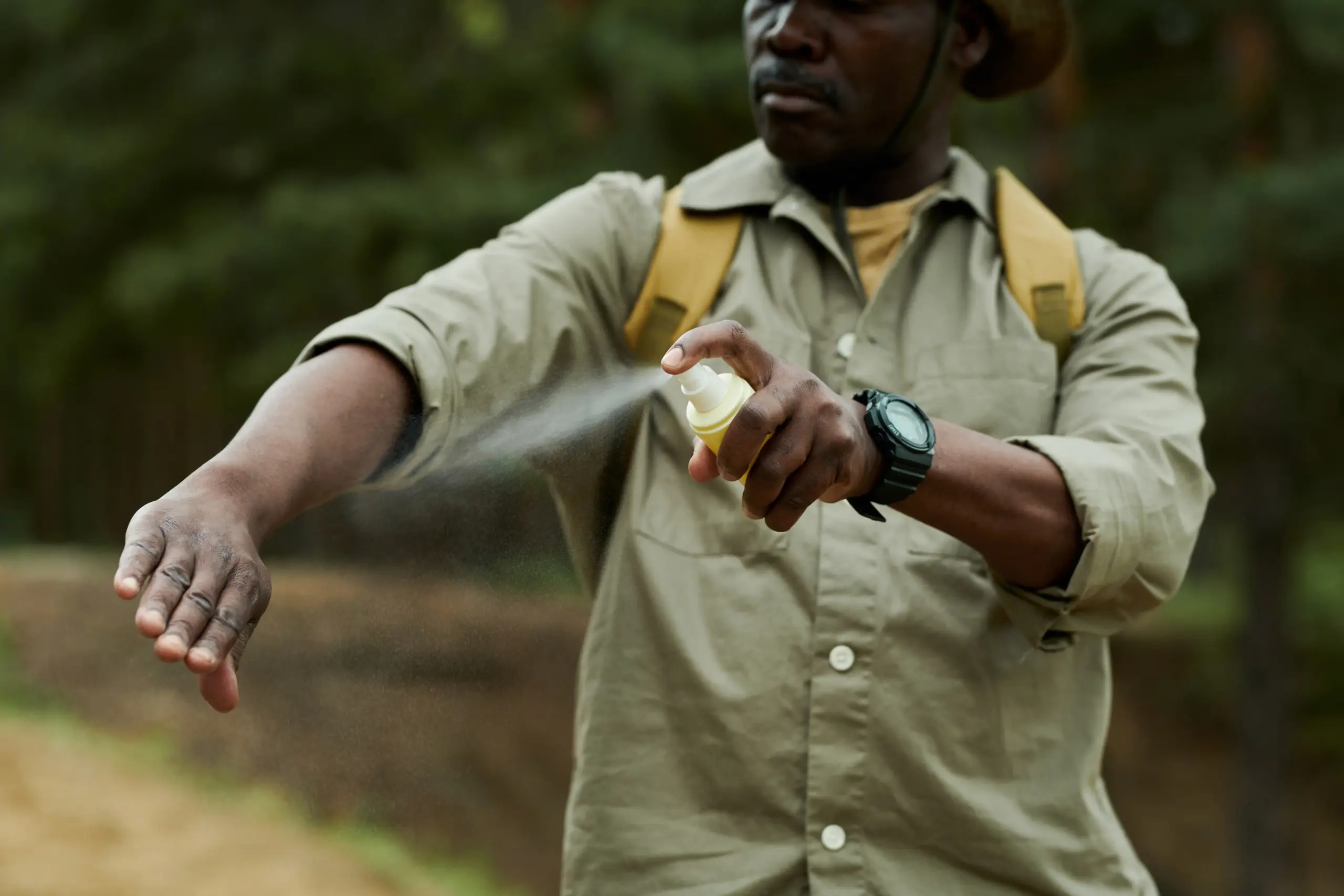
Apply insect repellent containing ingredients known to repel mosquitoes. Repellent should be applied to exposed skin, especially during evening and nighttime hours.
Wearing Protective Clothing
Long sleeves, long trousers and socks can significantly reduce exposed skin, especially when outdoors at dusk or dawn. Light-coloured clothing may also make it easier to spot mosquitoes.
Sleeping under Mosquito Nets
In areas where malaria risk is present, sleeping under an insecticide-treated mosquito net is one of the most effective protective measures.
Choosing Well-Screened Accommodation
Air conditioning (so as not to leave windows open), window screens and mosquito-proof rooms can greatly reduce exposure.
What to Pack for Malaria Prevention
Travellers visiting malaria-risk areas should include several protective items in their packing list.
A well-prepared travel kit may include:
- Insect repellent
- Long-sleeved clothing
- Lightweight trousers
- Mosquito net (if accommodation does not provide one)
- After-bite treatment creams
- Prophylaxis medication prescribed by a healthcare provider
Planning ahead ensures you have the tools necessary for effective travel malaria protection in Africa.
When to Seek Medical Advice before Travel
Anyone travelling to malaria-risk regions should seek professional travel health advice several weeks before departure.
This consultation allows time to:
- Review vaccination requirements
- Discuss malaria prophylaxis options
- Assess individual risk factors
- Receive personalised travel health recommendations
Healthcare providers may also advise on other travel-related health concerns depending on your destination.
Why World Malaria Day Remains Important
While malaria remains a significant challenge, progress has been made through public health initiatives, mosquito control programmes, improved diagnostics and treatment.
World Malaria Day highlights both the progress achieved and the work that still needs to be done.
For travellers and residents alike, malaria awareness initiatives help spread critical information about prevention, early diagnosis and treatment. Education remains one of the most powerful tools in reducing the burden of malaria worldwide.
What to Do If You Suspect Malaria
Anyone who develops a fever, chills or flu-like symptoms after visiting a malaria-risk region should seek medical care immediately. Prompt diagnosis and treatment are essential. Malaria can become severe if left untreated, but when diagnosed early, treatment is usually effective. It is important to inform healthcare providers about recent travel to malaria-risk areas, as this helps doctors identify the possibility of malaria quickly.
Final Thoughts
Travelling across Africa offers incredible opportunities for adventure, cultural discovery and unforgettable experiences. With the right knowledge and preparation, travellers can significantly reduce their risk of malaria.
Understanding regional risks, following malaria travel advice in Africa, taking appropriate prophylaxis medication and protecting yourself against mosquito bites are all essential parts of responsible travel planning.
As World Malaria Day reminds us each year: awareness saves lives. Whether you are planning a safari, visiting family or travelling for work, informed choices and preventive measures are key to safe and healthy travel throughout Africa.
Frequently Asked Questions
- Do I need malaria prophylaxis when travelling to Africa?
Yes, most travellers to Sub-Saharan Africa should take malaria prophylaxis. Africa accounts for 95% of global malaria cases and deaths. Consult a travel medicine specialist 4–6 weeks before departure to discuss the best prophylaxis for your destination, travel duration and medical history. Even short trips require protection.
- What are the most effective ways to prevent malaria while travelling in Africa?
Prevention combines medication and bite prevention: take prescribed prophylaxis consistently, use DEET-containing repellents (20–30%), wear long-sleeved clothing in the evening, sleep under insecticide-treated bed nets, stay in air-conditioned or screened accommodation when possible and avoid being outdoors during peak mosquito activity (dusk to dawn).
- Which African regions have the highest malaria risk?
Sub-Saharan Africa has the highest risk, with Nigeria, Democratic Republic of Congo, Uganda, Mozambique and Niger accounting for 68% of global cases. Risk varies by season (higher during rainy seasons), altitude (lower above 2 000 metres) and urban versus rural areas. South African lowveld areas, including Kruger National Park, also pose a significant risk.
- What are the early symptoms of malaria I should watch for?
Early malaria symptoms appear 7–30 days after infection and include fever, chills, headache, muscle aches, fatigue, nausea and vomiting. Symptoms can be flu-like and easily mistaken for other illnesses. Seek immediate medical attention if you develop a fever during or after travel to malaria-endemic areas, especially within the first month of return. - How long before my Africa trip should I start malaria prophylaxis?
Start prophylaxis 1–2 weeks before travel (depending on medication type), continue throughout your trip and for 1–4 weeks after return. Doxycycline starts 1–2 days before, atovaquone-proguanil (Malarone) 1–2 days before and mefloquine 2–3 weeks before. Timing ensures adequate blood levels and identifies side effects before departure.
- Can I get malaria in South African cities like Cape Town and Johannesburg?
Cape Town and Johannesburg have no malaria risk due to climate and altitude. However, South Africa’s lowveld regions (Mpumalanga, Limpopo, eastern KwaZulu-Natal), including Kruger National Park, have seasonal malaria transmission. Always check current risk maps and consult travel health professionals for specific destination advice.
- Are children and pregnant women at higher malaria risk when travelling to Africa?
Yes, children under 5 and pregnant women face severe malaria complications. Pregnant women have increased susceptibility and risk of severe anaemia, while children can develop cerebral malaria rapidly. These groups require specialised prophylaxis regimens and should consider postponing non-essential travel to high-risk areas.
- What should I do if I develop a fever after returning from Africa?
Seek immediate medical attention and inform healthcare providers about your recent travel to Africa, even if you took prophylaxis. Malaria can be life-threatening if not treated promptly. Symptoms can appear weeks to months after return, and rapid diagnostic testing and treatment are essential for good outcomes.
If you are travelling to a region with a high malaria risk and would like to learn about malaria prevention and your options, contact a Lenmed healthcare provider, such as a general practitioner or family physician. If you have recently returned from a “malaria area” and are experiencing flu-like symptoms, including fever, chills, headache, muscle aches, fatigue, nausea or vomiting, contact your healthcare provider as soon as possible.
For more information, please contact:
Discipline: Obstetrician & Gynaecologist
Hospital: Beira Private Hospital
Telephone: +258 87 502 1972
Email: Eduardo.matediana@lenmed.co.mz
And
Discipline: Physician (Internal Medicine)
Hospital: Beira Private Hospital
Telephone: +258 86 243 5133
Email: eunice_nicolau@lenmed.co.mz




SEO